
 3 months ago
12601
3 months ago
12601
.png)
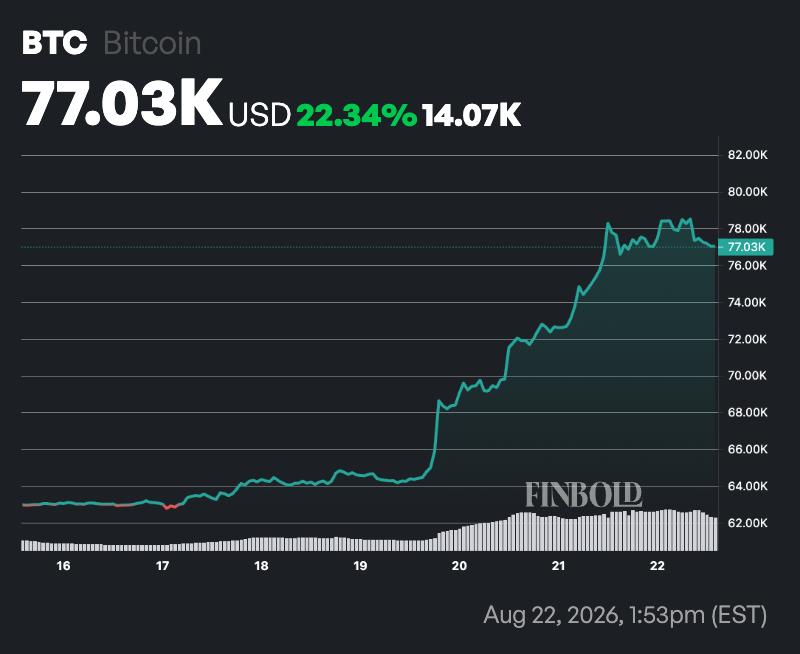
This week, an unexpected proposal from the United States to Iran has captured global attention, as a 14-point draft agreement emerges as a focal point of international diplomacy. While aspirations for a long-term accord grow, Iran’s recent public statement introduces fresh variables to the already complex equation, coinciding with a sharp drop in Bitcoin‘s value below $80,000.
What Is Iran’s Latest Stance?
The Iranian Ministry of Foreign Affairs has declared that discussions are ongoing with assistance from Pakistan, yet confirmed that no definitive conclusion or response has been made regarding the U.S. proposal. These developments suggest that any optimism surrounding the potential agreement is premature.
Intelligence assessments from the United States project that Iran could withstand sanctions for several more months without compromising its strategic stance. In a linked twist, CNN indicates that new navigational rules are being enforced in the Strait of Hormuz, which in turn triggered volatility in the cryptocurrency market, resulting in a downward trajectory for Bitcoin.
How Does Iran’s Plan Affect the Strait of Hormuz?
The introduction of stringent regulations for maritime traffic in the Strait of Hormuz marks a significant maneuver by Iran. The newly formed Persian Gulf Strait Authority (PGSA) now mandates a “Ship Information Declaration” from all passing vessels. This step underscores Tehran’s commitment to assert its jurisdiction over this globally critical passage.
Iran’s initiatives emphasize its strategic influence in the waterway, crucial for global energy logistics and regional stability. These regulatory developments come amid heightened tensions and ongoing diplomatic negotiations.

Simultaneously, the cryptocurrency market has reacted swiftly to these geopolitical shifts. Bitcoin’s recent dive below $80,000 highlights the asset’s vulnerability to real-world events, with traders attributing the decline to amplified regional risks and uncertainties.
- Iran demands a “Ship Information Declaration” for the Strait of Hormuz;
- Adds pressure on global energy supply routes;
- Bitcoin’s intrinsic sensitivity to geopolitical turmoils is evident;
- Influence of new maritime rules felt across broader markets.
The Iranian Ministry of Foreign Affairs stresses the mediating role of Pakistan in evaluating the U.S. communications, renewing geopolitical uncertainties. Policymakers and financial markets are keenly observing this evolving scenario, aware of the potential wide-ranging repercussions on diplomatic ties and economic stability.
For now, Tehran, the strategic strait, and Bitcoin’s market value remain central in a narrative where international politics and financial markets intersect unpredictably, keeping global observers closely engaged.
Disclaimer: The information contained in this article does not constitute investment advice. Investors should be aware that cryptocurrencies carry high volatility and therefore risk, and should conduct their own research.











 English (US)