
 3 months ago
9659
3 months ago
9659

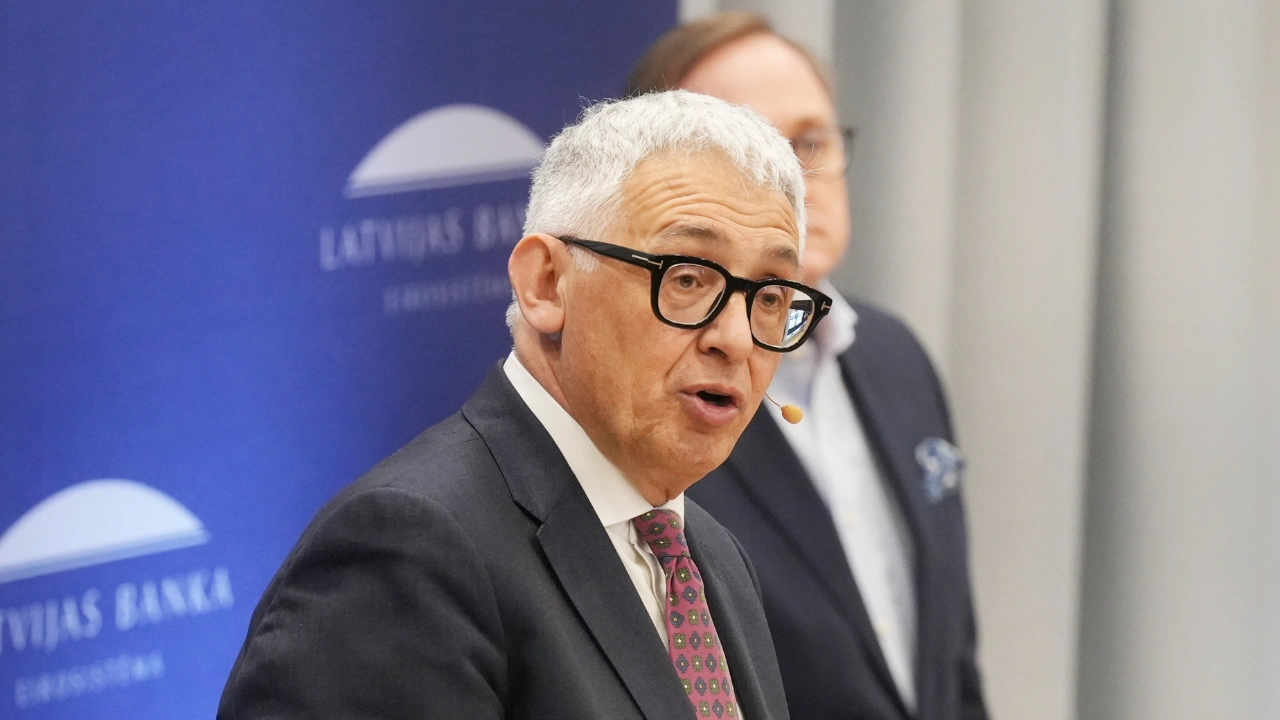
Shin Hyun-song, South Korea’s incoming central bank governor, has unveiled his strategic vision for advancing the nation’s digital currency framework. His plan emphasizes the central role of central bank digital currencies (CBDCs) and bank-issued deposit tokens, while stablecoins are relegated to a supportive function. This approach is poised to transform the digital payments landscape in Asia’s fourth-largest economy.
How will the digital currency strategy shift?
Shin, an esteemed professor in economics, was nominated as the governor of the Bank of Korea (BOK). In his parliamentary address, Shin advocated for a digital currency ecosystem where CBDCs and deposit tokens thrive together, serving as both competitors and complements to stablecoins. This strategic shift alters South Korea’s pathway on digital assets, particularly with stablecoins potentially facilitating programmable payments and tokenized asset trading.
“I believe central bank digital currencies and deposit tokens can exist alongside stablecoins, in both complementary and competitive ways,” proclaimed Shin Hyun-song in his parliamentary statement.
Is there a new player in the stablecoin realm?
This February marked the introduction of KRW1, Korea’s first fully regulated stablecoin, the result of a collaboration between BDACS and Woori Bank. This move underscores banks as pivotal players in the digital currency arena, raising expectations for transparency and trust. While Shin backing stablecoin models tied to the won, he underscored the necessity for strong issuing institutions to ensure public confidence.
Shin emphasized that banks should spearhead stablecoin issuance, anchoring to existing regulatory frameworks. He highlighted that established financial institutions are better suited to manage compliance matters, such as anti-money laundering measures and client verification.
However, Shin exercised caution towards blockchain-based assets used in foreign exchange, citing regulatory unpredictability and potential added expenses. Moreover, he questioned the classification of cryptocurrencies as genuine currency, as many do not serve essential functions like acting as a unit of account or a reliable store of value.

The Bank of Korea maintains that private digital tokens could jeopardize monetary policy and financial stability. The agency continues to push for stringent governance to alleviate these concerns. Ongoing discussions among South Korean leaders are shaping the future openness of the digital currency market under diverse perspectives, balancing a bank-focused strategy with propositions allowing non-bank entities to issue stablecoins.
Disclaimer: The information contained in this article does not constitute investment advice. Investors should be aware that cryptocurrencies carry high volatility and therefore risk, and should conduct their own research.












 English (US)