
 2 months ago
9662
2 months ago
9662

South Korea has delayed debate on its main digital asset bill until after June elections, postponing long-awaited rules for stablecoins, crypto exchanges, and institutional investors in one of the world’s busiest retail crypto markets.
The National Assembly’s National Policy Committee left the proposed Digital Asset Basic Act off the agenda during its final bill-review subcommittee meeting before parliamentary recess on May 12.
Lawmakers are unlikely to revisit the bill before the June 3 local elections.
As Cryptopolitan reported in late 2025, the bill has been stuck for months due to unresolved disputes between the Financial Services Commission and the Bank of Korea over stablecoin oversight. The May 12 omission extends that pattern.
What the bill would do?
The Digital Asset Basic Act is the second phase of South Korea’s crypto regulatory framework. The country passed its first major investor-protection law, the Virtual Asset User Protection Act, in 2023.
The proposed second-phase bill would require licensing and disclosure rules for crypto firms, ban insider trading and market manipulation, create a Digital Asset Committee to oversee policy, introduce custody rules for customer assets, and establish reserve and capital requirements for stablecoin issuers.
Under the proposal, stablecoin issuers would need at least 50 billion won ($35 million) in capital, mirroring standards already applied to electronic-money businesses.
Several major provisions remain unresolved. Lawmakers are still debating whether banks should be required to hold majority stakes in stablecoin ventures.
Officials have also not finalized ownership restrictions for crypto exchanges and other virtual-asset businesses.
What it means for stablecoin projects
Companies waiting to launch Korean won-backed stablecoins or expand institutional crypto services now face more uncertainty over licensing standards and reserve requirements.
President Lee Jae Myung has identified a won-backed stablecoin as a national priority, arguing it could counter the dominance of US dollar-linked stablecoins.
The ruling Democratic Party has been working to consolidate several lawmaker proposals into a revised digital asset bill, with major Korean banks exploring consortia for won-pegged stablecoin launches targeting late 2026.
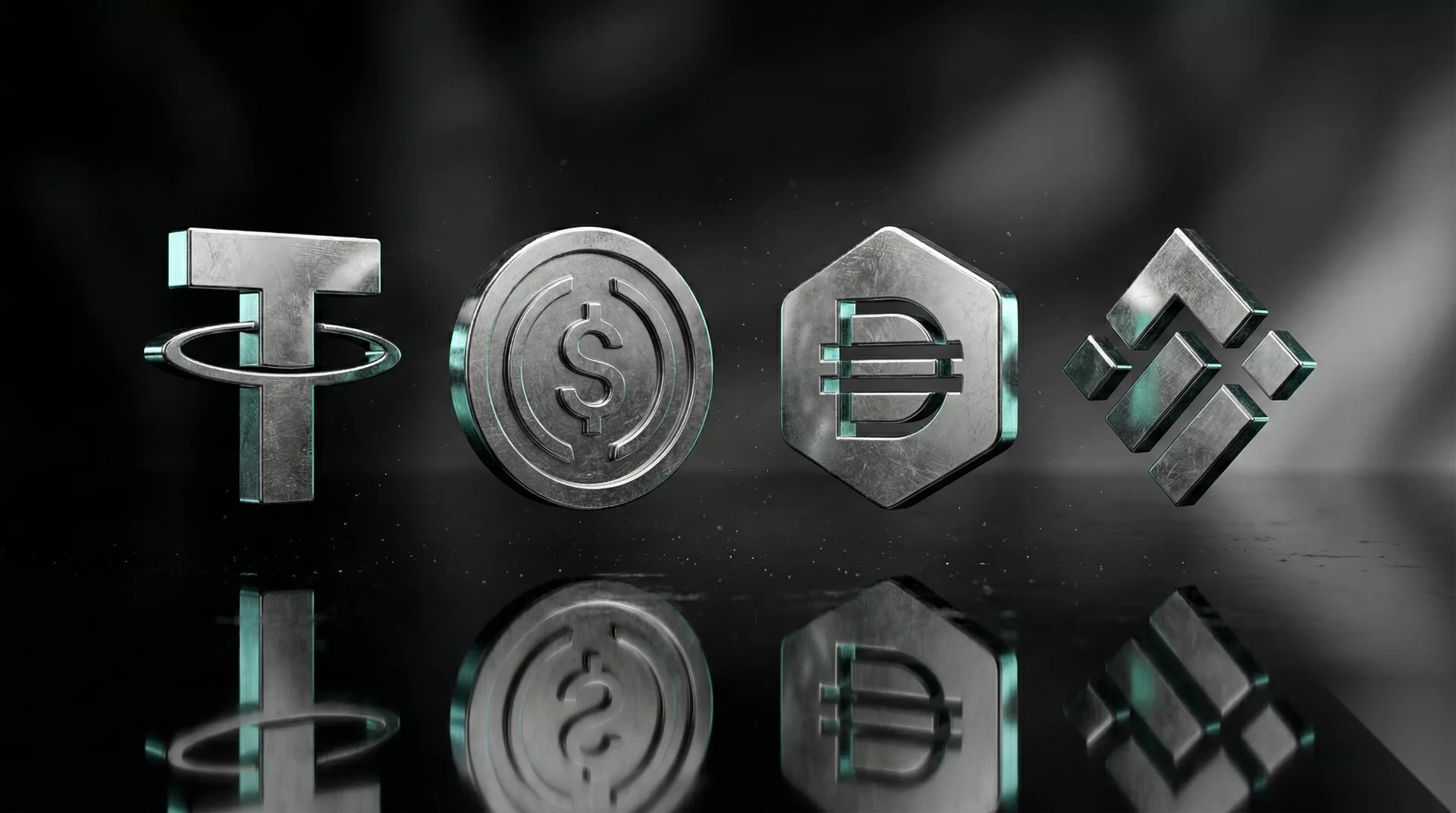
Projects linked to dollar-pegged stablecoins such as USDC and USDT, alongside potential won-backed stablecoins from Korean banks and fintech firms, remain unable to finalize compliance structures while the legislation is stalled.
How South Korea now compares globally
International crypto firms had expected South Korea to become Asia’s next major crypto-regulation hub after Europe and Japan.
The European Union fully implemented its Markets in Crypto-Assets (MiCA) framework in 2024. Japan introduced stablecoin rules through revisions to its Payment Services Act in 2023.
Singapore and Hong Kong have also rolled out licensing systems for digital-asset firms and fiat-backed stablecoins.
South Korea has about 9.7 million crypto investors, nearly 19% of its population. Daily trading volume on the country’s five licensed exchanges, Upbit, Bithumb, Coinone, Korbit, and Gopax, can exceed 11 trillion won ($7.9 billion) during active trading periods, according to Financial Services Commission data and exchange disclosures.
Without finalized Korean rules, global exchanges and payment firms still lack clarity on how to operate across borders or whether overseas crypto licenses will receive recognition inside South Korea.
Industry observers say the delay could slow stablecoin-based payment corridors across Asia-Pacific markets.
The earliest opportunity for lawmakers to resume debate on the Digital Asset Basic Act is likely in the second half of 2026.
Don’t just read crypto news. Understand it. Subscribe to our newsletter. It's free.













 English (US)