
 2 months ago
8024
2 months ago
8024
.png)
Ripple Labs has achieved a significant milestone, securing a comprehensive Markets in Crypto-Assets (MiCA) license through Luxembourg. This regulatory authorization empowers Ripple to offer crypto payment services across 30 European Economic Area countries under a unified framework. By acquiring this license, Ripple can operate without the need for separate regulatory approvals in each nation, presenting an unprecedented opportunity in the European digital assets market.
How does the MiCA framework enhance Ripple’s operations?
The license under the European Union’s MiCA framework allows for “passporting,” facilitating Ripple’s seamless operational expansion across member states. This strategic advancement brings clarity to Ripple’s business activities, a factor that experts identify as critical for attracting institutional investment in cryptocurrency sectors.
Dr. Kamilah Stevenson, a prominent figure in financial education and crypto analysis, emphasizes the broader implications of Ripple’s Luxembourg-based approval. Beyond local operations, this license eradicates the ambiguity that has previously discouraged institutional participation, setting the stage for broader adoption of Ripple’s crypto payment solutions.
Across Europe, Ripple now has both the regulatory clarity and operational green light required to expand its crypto payment products. This stands in contrast to ongoing regulatory uncertainty in the United States, where companies are still seeking clear legal definitions for digital assets.
Dr. Stevenson highlights that regulatory ease can often surpass technological hurdles for large financial entities. MiCA licensing serves as a continental regulatory solution, alleviating the compliance challenges faced by such institutions.
Why does U.S. regulatory ambiguity persist?
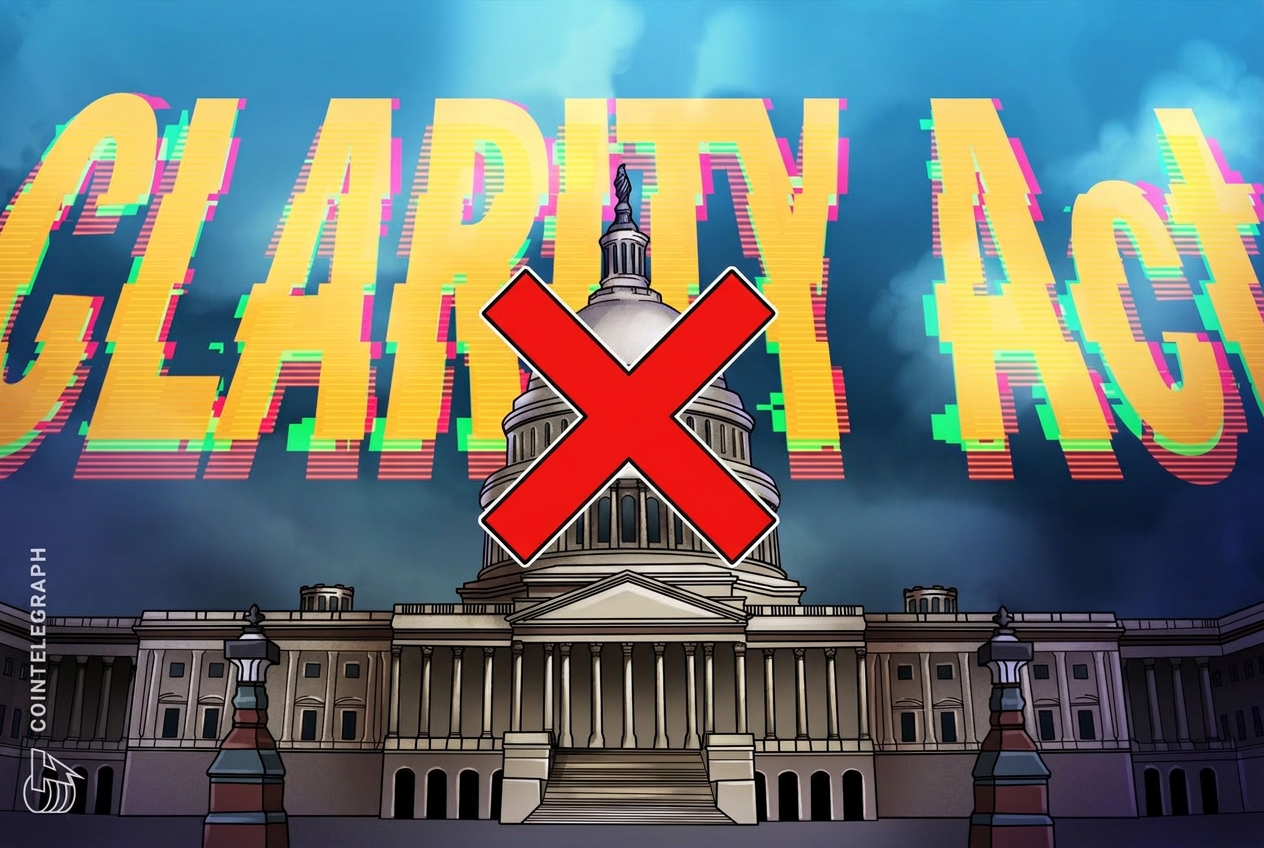
Unlike the progress seen in Europe, the United States continues to wrestle with legislative delays. The much-anticipated Clarity Act, designed to statutorily define digital currencies, has once again been postponed, leaving American crypto firms in limbo.
Stevenson outlines the dual timelines affecting cryptocurrency investment: while market sentiments can shift rapidly, infrastructure developments provide lasting value, as evidenced by licensing and strategic partnerships.

“A license does not get un-granted. A partnership does not get unsigned,” Stevenson remarked, highlighting the permanence of structural advances compared to fleeting market reactions.
- Ripple’s MiCA license signifies full regulatory approval, allowing operations across Europe uninterrupted.
- The U.S. lags behind, struggling with establishing clear regulatory definitions for digital assets.
- European regulatory clarity suggests a promising outlook for institutional engagement in digital crypto markets.
Stevenson shifts focus toward prudent financial planning, urging digital asset holders to consider tax implications and portfolio strategies. She advises on the benefits of tax-efficient investment vehicles, like Roth IRAs, to safeguard returns against market volatility and tax liabilities. Investors should solidify these strategies in preparation for any future market surge, ensuring they are equipped to handle fluctuating conditions rationally rather than reactively.
















 English (US)