
 40 minutes ago
135
40 minutes ago
135
.png)
As Bitcoin looks ahead to the year 2030, its journey is anticipated to be more deeply rooted in the financial and technological ecosystems rather than just driven by a rising tide of individual investors. Key elements of this evolution include the clarification of regulatory frameworks, expansion of the stablecoin market, prevalence of AI-assisted autonomous transactions, heightened institutional adoption, and an expected halving in 2028.
Regulatory Hurdles Persist
Is regulatory ambiguity a continuing issue? In the U.S., efforts to legislate digital assets have not yet reached a consensus. The CLARITY Act, aimed at providing clearer market regulations, failed to achieve the required votes during the Senate session on September 15, 2026, with 49 supporting and 50 opposing. Despite this setback, further assessments are underway as some lawmakers push for a reevaluation of the act.
The act seeks to create a regulatory framework for digital commodities and delineate the authority between the SEC and CFTC more transparently. The SEC oversees capital markets while the CFTC monitors commodities and futures markets. Proponents believe clearer guidelines could reduce legal ambiguity and benefit banks, custodians, and asset managers.
Proponents claim, “More explicit regulations could diminish legal uncertainties, shedding an additional barrier for banks, custodians, and asset managers.”
However, critics have raised concerns over consumer protection, ethical standards, decentralized finance supervision, and exemption limits. Not deterred by the vote’s outcome, bipartisan senators expressed their intent to continue efforts toward reforming the legislation.
The Role of AI and Stablecoins
Could AI systems drive future growth? Analysts suggest that instead of individual purchases driving crypto growth, artificial intelligence’s engagement in economic processes might play a pivotal role. Blockchain-based payment tools could enhance their suitability for AI applications requiring transactional power, access to paid databases, or orchestrating service payments.
Among these tools, stablecoins stand out, with protocols like Coinbase’s x402 enabling software agents to perform automatic payments across APIs and online services. As one of the largest U.S.-based crypto platforms, Coinbase offers trading and custodial services to both institutional and individual investors.

AI systems might not need direct Bitcoin transactions; increased stablecoin use may expand blockchain-based economic activities, indirectly creating a capital pool for Bitcoin.
Stablecoin Expansion and Limited Supply Shape Price Scenarios
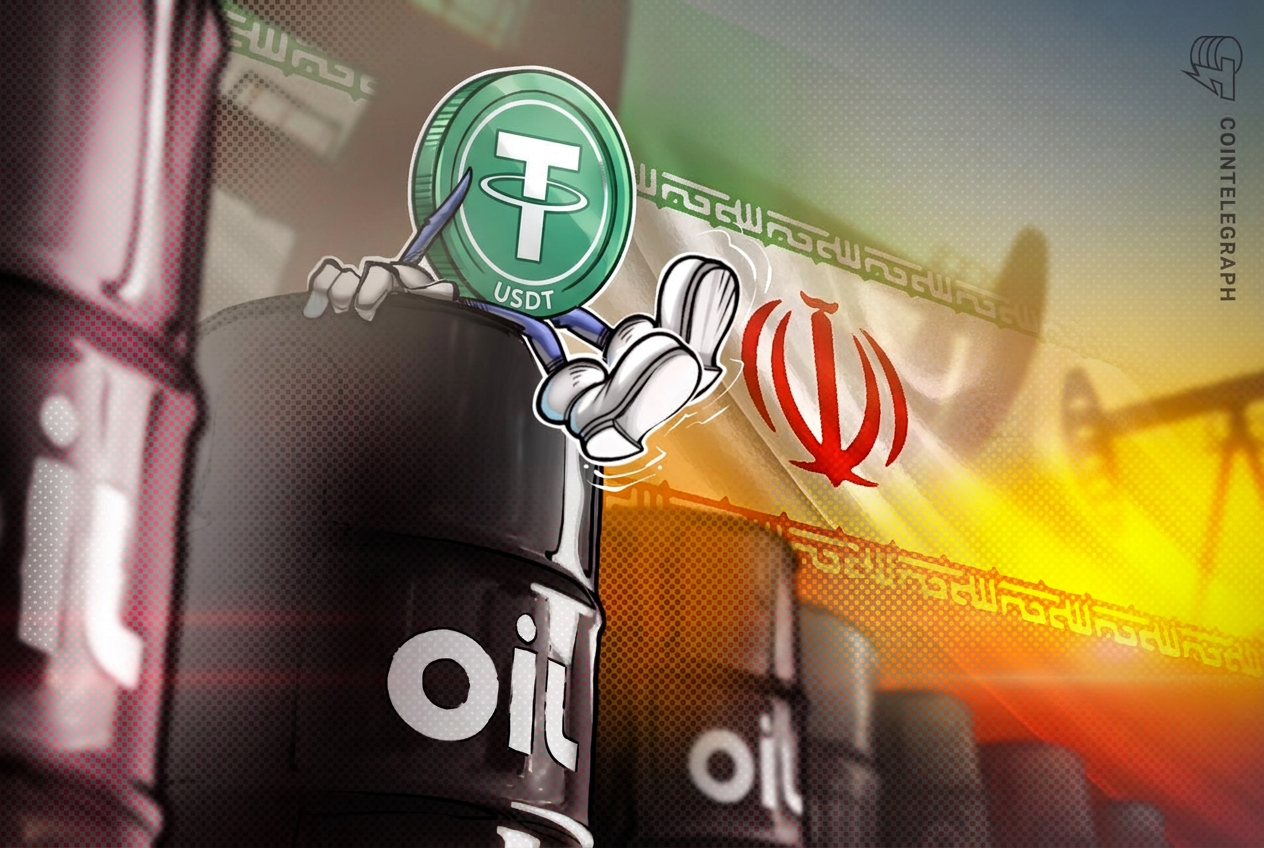
Concrete steps have been taken by the U.S. in the realm of stablecoins. The GENIUS Act, enacted in July 2025, establishes a federal framework for stablecoin payments, helping bridge dollar systems with blockchain markets. Once capital migrates to the chain through regulated dollar tokens like USDC or USDT, transitioning to Bitcoin, Ethereum, and securities becomes more straightforward.
The strongest outlook for Bitcoin in 2030 isn’t just another crypto boom; it hinges on becoming a pivotal global reserve and value storage asset.”
On the supply side, Bitcoin’s monetary policy remains unaltered, with the 2028 halving expected to decrease block rewards from 3.125 BTC to 1.5625 BTC. By 2030, the bulk of the 21 million total supply will be in circulation, with the share of new production significantly reduced.
- Weak adoption scenarios see Bitcoin priced between $80,000 and $150,000.
- In a scenario with continued institutional allocations, growing stablecoin economy, and clearer regulations, the $200,000 to $400,000 range is plausible.
- Under structural transformation scenarios, with Bitcoin gaining a greater share of global savings, corporate, or state reserves, valuations could reach between $500,000 and $1 million.
The future trajectory of Bitcoin by 2030 will be defined by its integration into broader economic and technological infrastructures, underpinning its value as both an asset and a potential global financial cornerstone.














 English (US)