
 1 month ago
10974
1 month ago
10974
.png)
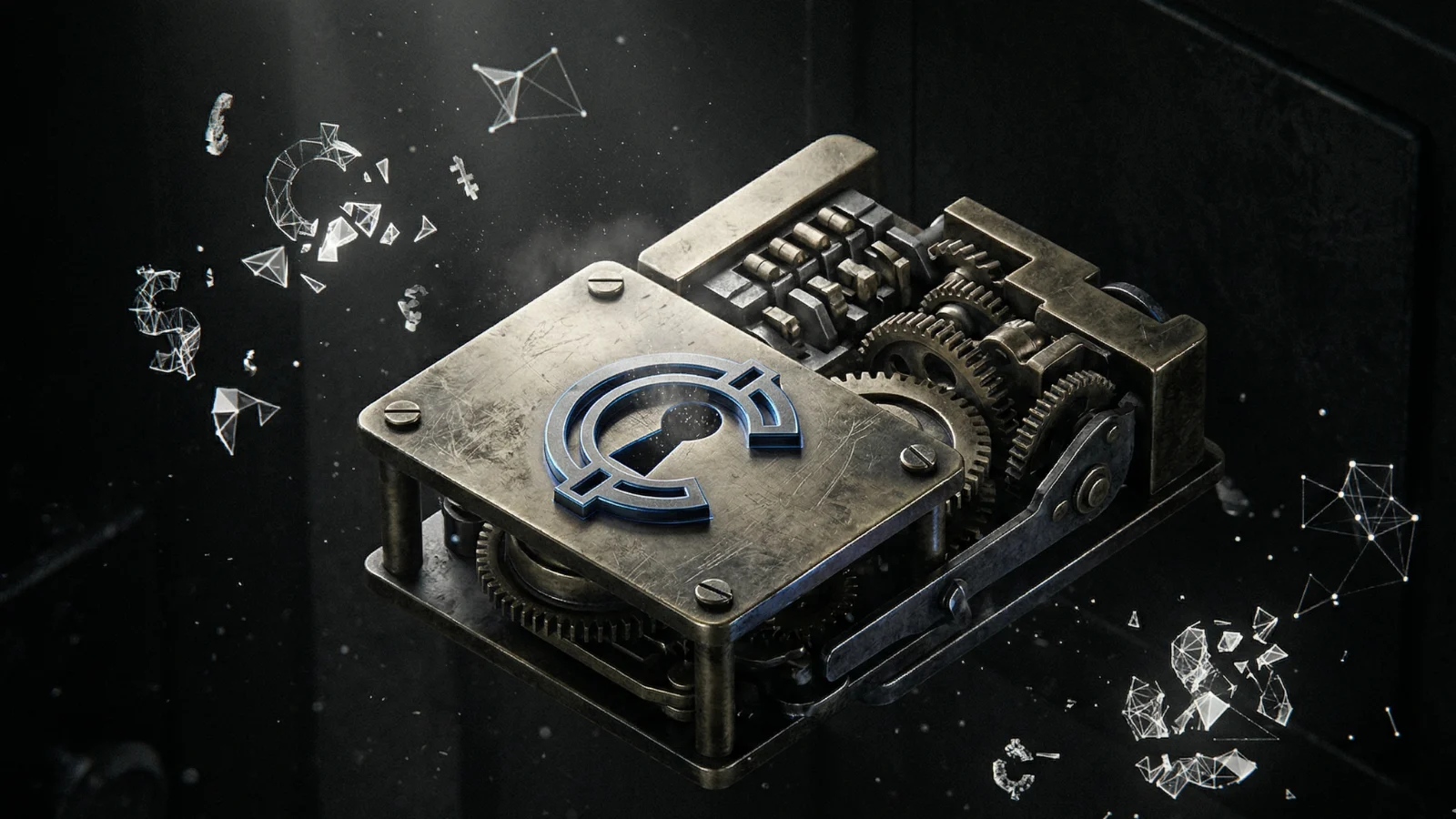
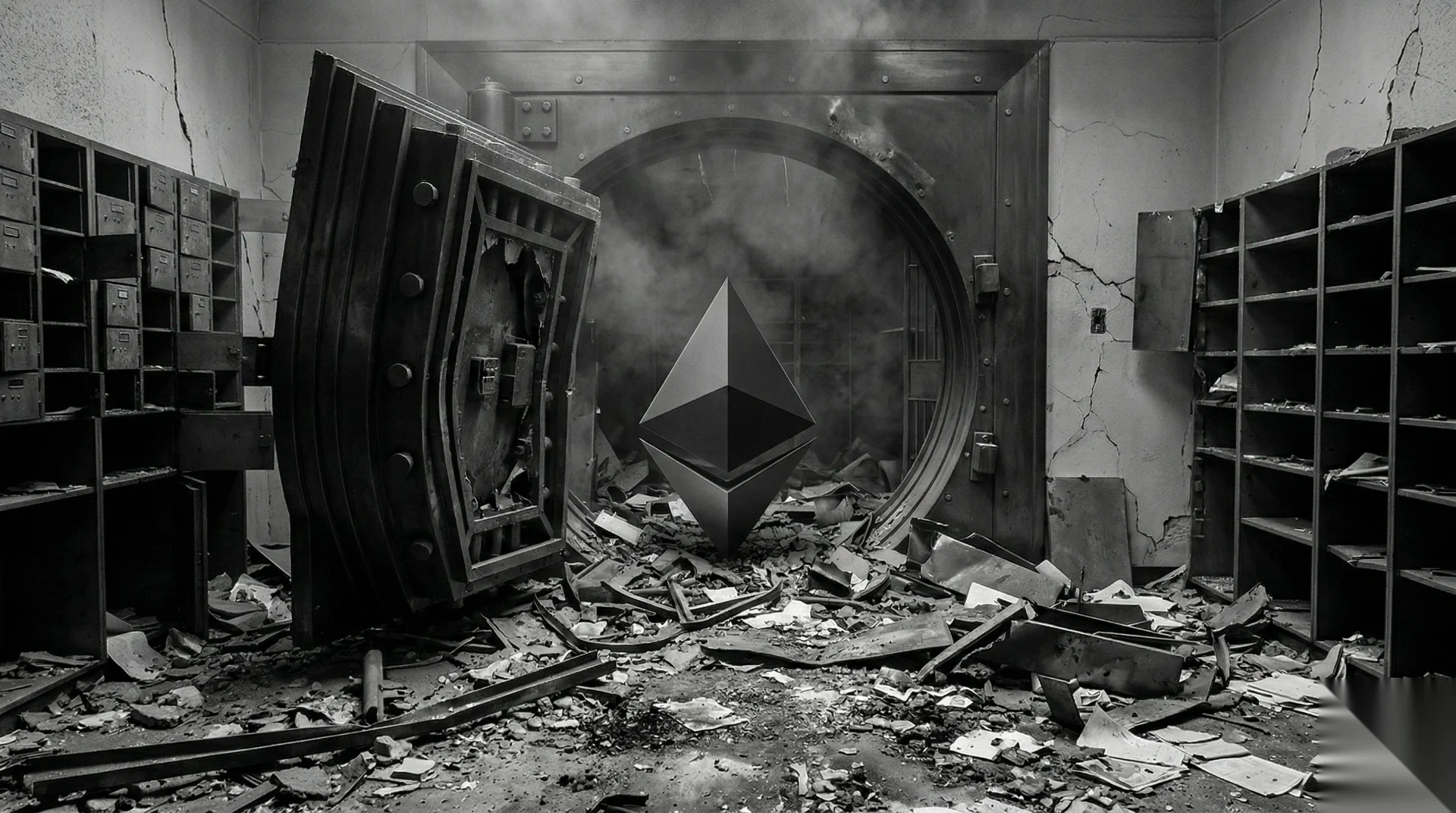
Advancements in quantum computing are presenting unprecedented challenges to the security of blockchain systems, generating heightened apprehension among experts in the field. These sophisticated machines are foreseen to potentially unravel cryptographic codes fundamental to cryptocurrency protection, threatening the very bedrock of digital finance.
Can Quantum Computers Outperform Existing Cryptography?
According to Christopher Smith, CEO of Quantus Network, the evolution of quantum computers could enable the derivation of private keys from public ones seen on blockchain networks. This ability would make it possible for miscreants to transfer assets without intruding on wallets or other security infrastructures. Smith points out the alarming difficulty in tracking such violations, as no typical traces of unlawful entry might exist; only the missing funds would be evident.
Recent strides in quantum algorithms, facilitating a decrease in the required computational efforts to tackle elliptic-curve cryptography, compound these concerns. This cryptographic technique is widely employed by major blockchains and is one of the primary lines of defense against hacks.
Which Crypto Assets Are Most at Risk?
The cryptocurrency community is particularly worried about the fate of dormant Bitcoin assets. Yet Smith suggests potentially more susceptible targets, like the administrative keys of multi-chain stablecoins, could be more tempting for cyber attackers. For instance, administrative controls of Tether’s USDT might be used to quickly generate new tokens if compromised, creating chaos in the market.
The firm behind USDT is already moving towards solutions that address quantum risks, showing proactive measures in adapting to the future of cryptography.
Sean Cheetham from Blockchain Capital warned that attackers might target exchange hot wallets which handle users’ funds, thus creating an illusion of regular mismanagement and evading immediate action.

Smith highlighted attackers might mask a quantum breach as a conventional compromise, delaying the discovery of the true method through plausible alternative narratives.
Cheetham explained incidents would mimic typical security failures, allowing them to outpace current investigative abilities.
When Will Quantum Computing Reach This Level?
Progress in artificial intelligence is accelerating the timeline of quantum computing’s impact. Following a significant AI-assisted development, Google aims to transition its systems to be quantum-ready by 2029, anticipating fewer qubits required than initially thought.
- Advances in quantum computing raise significant security concerns for crypto.
- Key industry players are adjusting strategies toward quantum-resistant solutions.
- While exact timelines vary, substantial developments are expected by the 2030s.
Despite varying forecasts for when quantum attacks on cryptos might become reality, industry insiders agree on the urgency for blockchain networks to evolve in response. The ongoing attempts to anticipate post-quantum resilience highlight the high stakes tied to maintaining digital security in an age of rapidly evolving technological capabilities. Failure to prepare may lead to catastrophic financial upheavals and loss of trust in digital currencies.















 English (US)