
 3 months ago
8886
3 months ago
8886

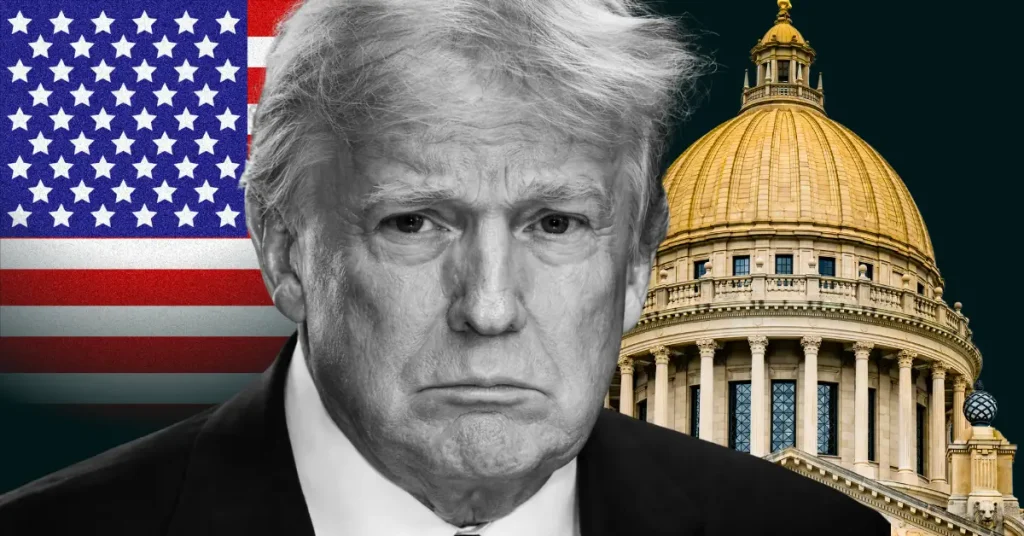
Mounting anxiety in the Middle East has been ignited by Donald Trump’s assertion that China has ceased supplying weapons to Iran, a claim he associates with efforts to reopen the vital Strait of Hormuz. This strategic waterway is a pivotal conduit for global oil supply, and the situation has fueled apprehension across energy and cryptocurrency sectors alike.
Trump’s Declaration Encountered with China’s Firm Denial
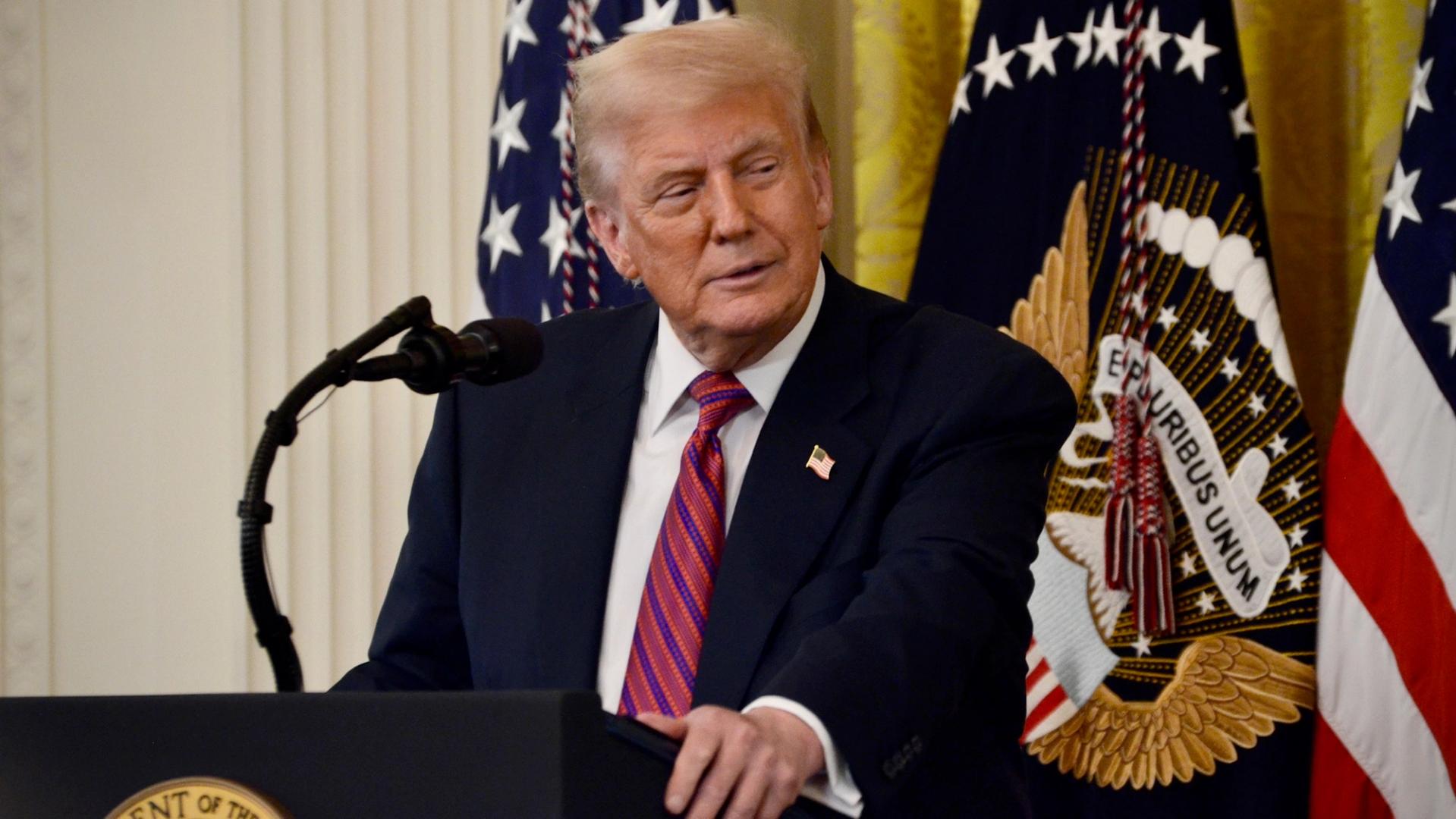
Announcing via Truth Social, Trump claimed that Beijing had resolved to discontinue arms transfers to Tehran, framing this as a diplomatic victory potentially smoothing the way to reopening the Strait of Hormuz. He anticipated a favorable reception from Chinese President Xi Jinping during a projected visit.
Known for exerting economic and diplomatic pressure, Trump’s claim surfaces during intensifying regional tensions, following inconclusive talks in Islamabad between US delegates, led by Vice President JD Vance, and Iranian representatives.
In response, the US initiated a naval blockade of Iranian ports starting April 13. US-led forces have since engaged in actions to interdict vessels and clear mines around the Strait, exacerbating tensions in a corridor crucial for energy transit.
With the strait serving as a passage for 20% to 30% of global seaborne oil, disruptions are causing a retreat in shipping activity and sparking concerns of energy price hikes and instability in supply chains.

Conversely, China’s Foreign Ministry denounced the blockade as “a dangerous and irresponsible move,” criticizing its impact on regional stability and ceasefire agreements. Spokesperson Guo Jiakun dismissed allegations of Chinese arms supply to Iran as unfounded, stressing China’s adherence to stringent export controls. No credible verification has surfaced to support claims of a formal arms accord between China and Iran.
Is Bitcoin Becoming a Financial Refuge?
Throughout the unrest, Bitcoin’s emerging status as more than a mere store of value is gaining traction. Since US and Israeli military actions commenced on February 28, Bitcoin has surged by 12%, countering declines in traditional safe-havens like gold, which fell by 10%, and the S&P 500, which dipped 1%. This trend has captured the attention of Bitwise, a notable digital asset management firm.
“If Bitcoin starts to take on a dual role as both a store of value (like gold) and an actual currency (like the dollar), we may need to revise our targets higher,” noted Matt Hougan, Chief Investment Officer at Bitwise.
A policy move from Iran, charging ships approximately $1 per barrel in Bitcoin for passage through the strait, potentially adds $21 million daily in cryptocurrency flows. Bitwise cited this as further demonstration of Bitcoin’s expanding role in global transactions.
Ryan Rasmussen, Bitwise’s research lead, underlined this assessment, suggesting previous valuations might fall short. He proposed that if Bitcoin functions both as a hedge and as a transactional currency, a $1 million per coin long-term value might emerge.
Currently, Bitcoin trades at approximately $73,894, sustaining its climb to the highest point since early February. The trajectory of US-Iran negotiations could significantly influence forthcoming dynamics in both the oil and crypto markets.
Disclaimer: The information contained in this article does not constitute investment advice. Investors should be aware that cryptocurrencies carry high volatility and therefore risk, and should conduct their own research.














 English (US)