
 3 months ago
12541
3 months ago
12541
.png)
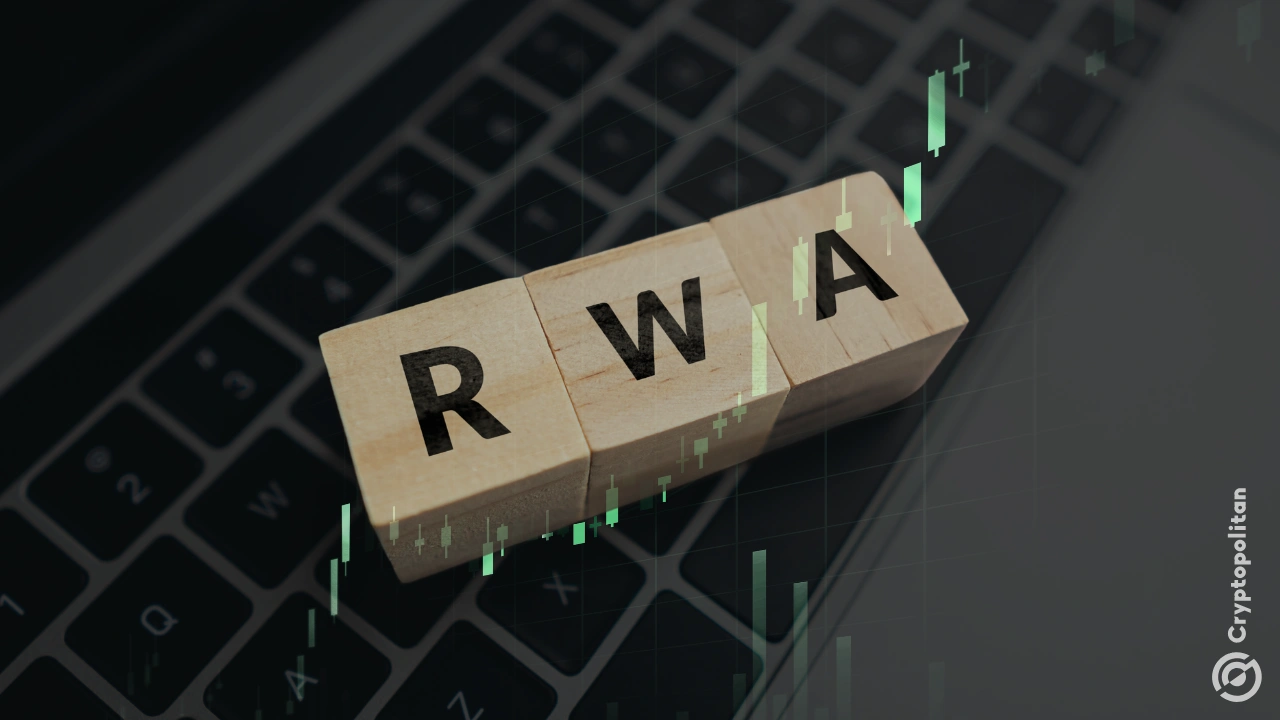
The Depository Trust & Clearing Corporation (DTCC), a pivotal player in financial infrastructure, has unveiled its intention to tokenize a wide range of assets held in its depository using the Stellar blockchain network. This strategic move is bolstered by a “No-Action Letter” from the U.S. Securities and Exchange Commission (SEC) in December 2025, reinforcing DTCC’s foray into multi-blockchain endeavors.
Can Stellar Drive Financial Innovation?
DTCC plans to transform traditional securities into digital versions on the Stellar network, enhancing speed and ease of access. This collaboration aims to give market players increased visibility and transaction capabilities on-chain, supported by DTCC’s reliable custody services.
“An important step towards building an open, interoperable digital infrastructure,” remarked Frank La Salla, President and CEO of DTCC, highlighting the partnership’s potential to improve liquidity, efficiency, and transparency.
What Categories of Assets Are Being Targeted?
Initially, the focus is on tokenizing stocks of large U.S. entities within the Russell 1000 index. The digital platform will also support exchange-traded funds linked to broad indices and U.S. Treasury securities. These enhancements aim to enhance connectivity for institutional investors while upholding robust standards for asset custody and investor protection.
The project prioritizes asset categories with significant market liquidity, intending to advance access, streamline institutional interactions, and reinforce market transparency. The initiative will proceed without forsaking traditional asset custody protocols.
- Russell 1000 stocks will utilize the Stellar network for tokenization.
- Index-tracking ETFs and U.S. Treasury securities are also included in the tokenization plan.
- The initiative places importance on regulatory readiness and high transaction throughput.
- Stellar’s infrastructure is designed to accommodate institutional needs.
This venture positions DTCC to set an industry precedent in integrating conventional financial platforms with public blockchain systems, aiming for a more seamless and globally connected economic framework. With a solid regulatory foundation and an emphasis on safe asset custody, it serves as a model for potential integration by other financial institutions.

As the project develops, its example may prompt further adoption of blockchain technologies by traditional financial operators, facilitating the broader tokenization of financial assets across the public blockchain landscape. The gradual roll-out strategy promises comprehensive integration of financial assets on a global scale.
Disclaimer: The information contained in this article does not constitute investment advice. Investors should be aware that cryptocurrencies carry high volatility and therefore risk, and should conduct their own research.












 English (US)