
 2 months ago
9250
2 months ago
9250

As the temperatures rise, cryptocurrency markets experience a metaphorical “summer”, marked by cautious withdrawal. Historically, seasoned investors know that the summer heat often sees traders cashing out and taking breaks, and this year brings its own unique set of circumstances. The disruption in U.S.-Iran relations and the transition to a new Federal Reserve chair create a cautious atmosphere for many market participants.
Will Historical Trends Continue?
The crypto market has a track record of seasonal selling. DaanCrypto, a respected market observer who analyzes Bitcoin’s performance monthly, remarks on the consistent downtrend starting in May. History shows May as the sixth-best month for returns, suggesting that while opportunities exist, they come with significantly reduced volatility. This period sees diminished trading volumes and restrained price shifts, leading to a rather stagnant phase.
How Could Geopolitics Impact Crypto?
The geopolitical landscape adds further complexity this year, possibly enhancing the seasonal downturn. The uncertain state of U.S.-Iran negotiations and new leadership at the Federal Reserve signal potentially rapid developments ahead. With the U.S. midterm elections predicted to increase selling pressure by November, the stretch from May to July could prove challenging for crypto enthusiasts.
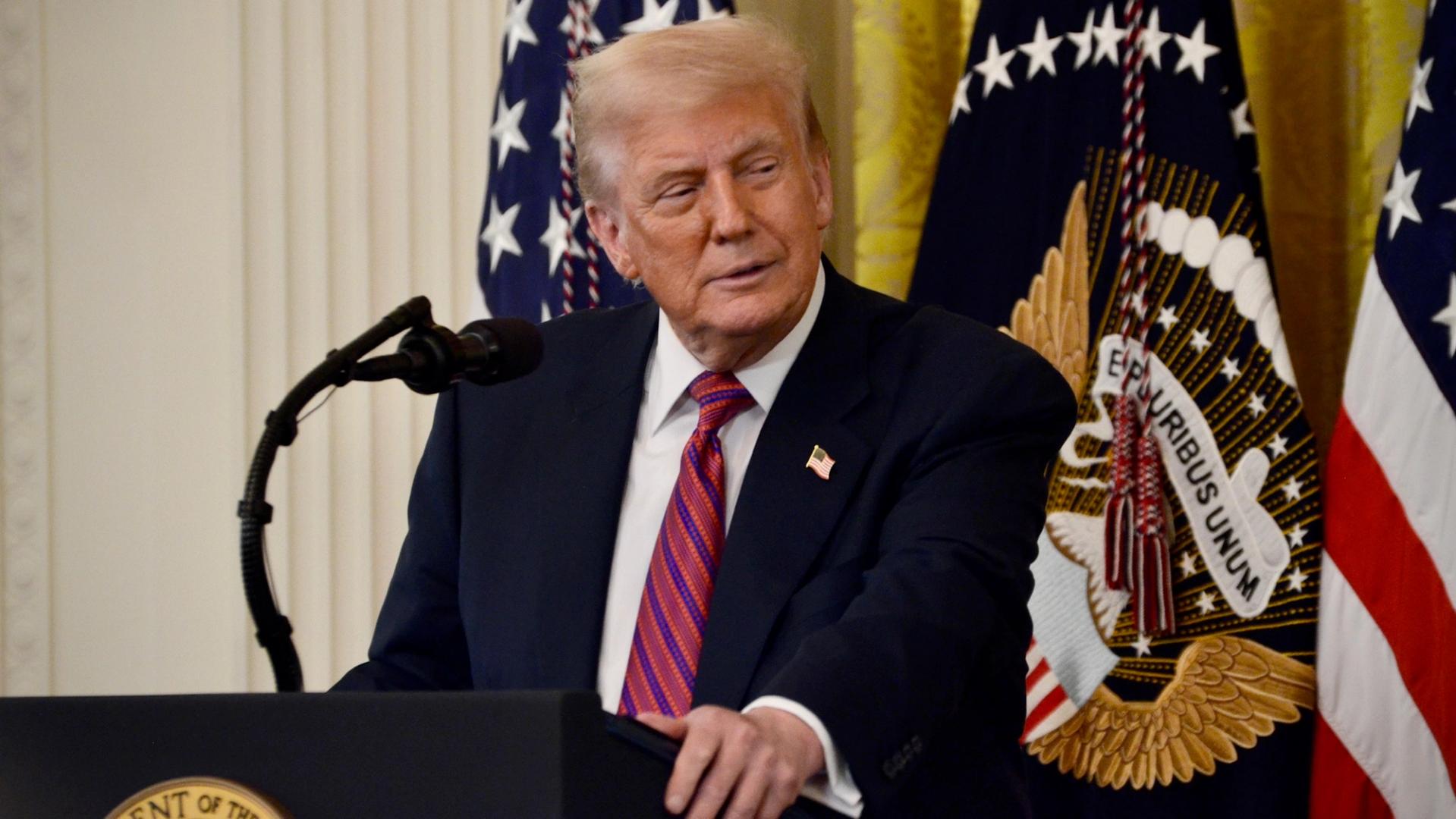
In Iran, military activities are intensifying, fueling speculation about possible actions by Donald Trump, potentially disrupting the already delicate negotiating table. With the equities market buoyant, timing could be right for dramatic developments.
Furthermore, Basic Attention Token (BAT) has gained attention due to unusual network activity. Analytics platform Santiment raised concerns, advising caution against possibly misleading updates which might suggest inflated retail interest.

Could Network Spikes Signal Misleading Growth?
Santiment issues a warning regarding BAT, indicating that apparent increases in blockchain activity, often during events like airdrops, can deceive investors. These artificial hikes might seem to signify escalating user interest, yet could leave newcomers in distress when actual trends emerge.
BAT’s scenario exemplifies these challenges. The token has seen a sharp decline from its peak, with a 60% reduction in market value over the past five months. Nonetheless, a recent spike in active addresses—highest in six years—raises questions about the legitimacy of its network activity.
Santiment clarified, “BAT community initiatives led to a DAO formation, resulting in a massive movement of tokens. This structural change rather than organic growth prompted the sudden rise in active interactions. Thus, this wasn’t solely due to genuine retail engagement but a coordinated community event bringing dormant accounts back into play.”
While the spike in activity appears noteworthy, BAT’s real future value largely depends on its effective integration and utility within the Brave browser ecosystem, a goal it is yet to fully achieve. Stakeholders should consider this when reacting to recent on-chain activity data. The fundamental adoption and usage remain key to sustained growth.
Disclaimer: The information contained in this article does not constitute investment advice. Investors should be aware that cryptocurrencies carry high volatility and therefore risk, and should conduct their own research.














 English (US)