
 2 months ago
11366
2 months ago
11366
.png)
As the deadline approaches for the contentious BIP-110, a proposed Bitcoin soft fork intended to block NFT-like Ordinals inscriptions for a year, tensions across the crypto community are simmering. With a mere three weeks left until block 961,632 is mined, node operators favoring BIP-110 are gearing up to implement new protocols, rejecting any blocks that fail to signal support for the proposed upgrade.
Proponents of BIP-110 argue that the initiative is pivotal in maintaining the purity of Bitcoin, with some asserting its adoption as a badge for true Bitcoin adherents. This claim has sparked a contentious debate within Bitcoin circles.
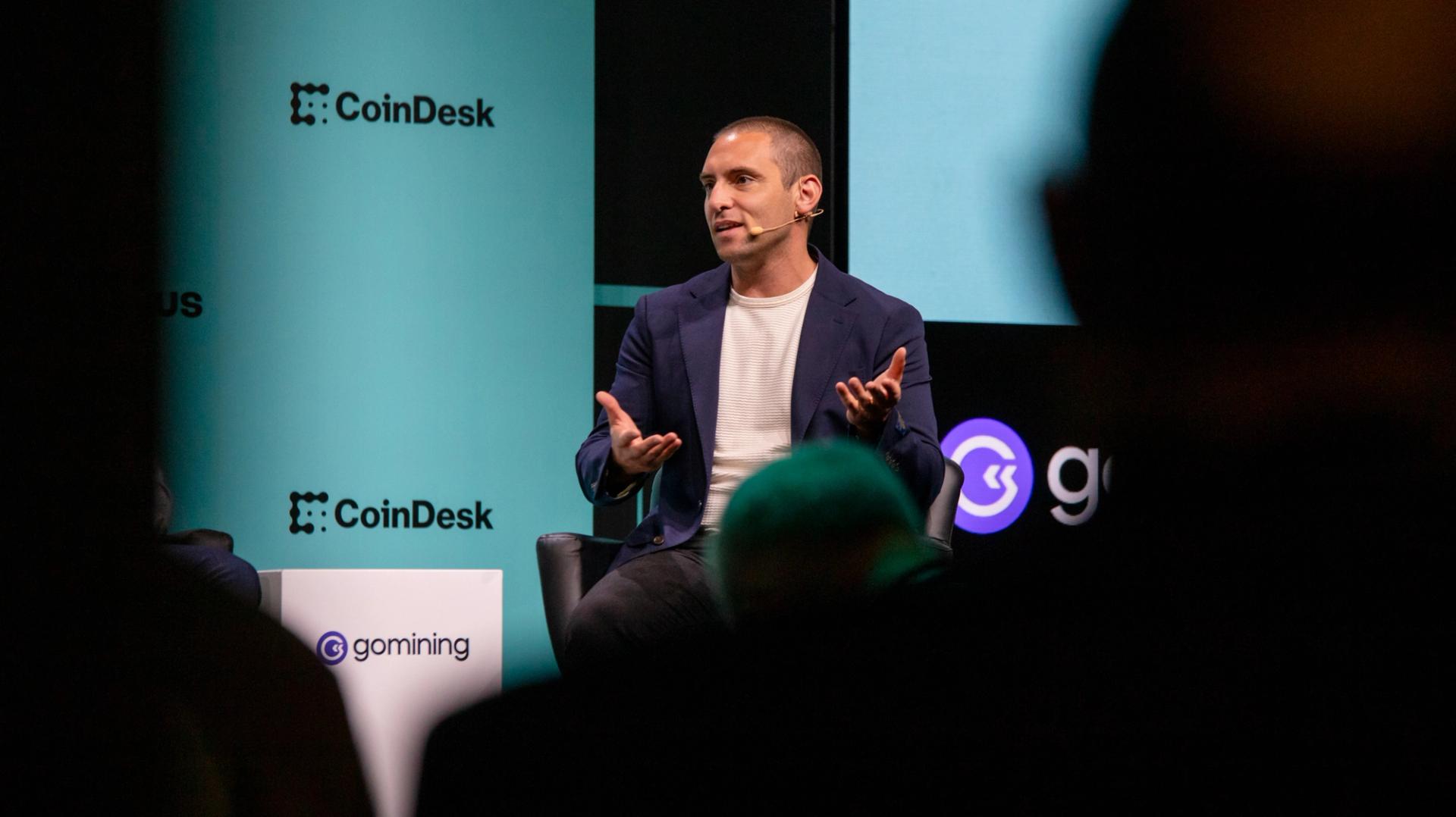
Adam Back, CEO of Blockstream, has spoken out strongly against the proposed fork. He counters the narrative by highlighting a lack of fundamental understanding among proponents, stating, “They don’t know Bitcoin.”
Back identified a misunderstanding among proponents, arguing that good intentions are undermined by an inability to distinguish between genuine network consensus and social media-driven ultimatums.
The division has fractured the community, with BIP-110 advocates championing it as necessary for eliminating perceived spam and bolstering network decentralization. In contrast, critics like Back and MicroStrategy’s Michael Saylor vigorously defend Bitcoin’s existing permissionless structure.
Both Bitcoin veterans contend that fees should emerge naturally from market dynamics rather than being forcibly modified by protocol shifts targeting select activities.
What Challenges Does BIP-110 Face?
In practice, BIP-110 has failed to gain substantial traction within the mining sector. Blockchain data show a minor 0.86% signaling rate from major mining pools, drastically below the 55% required to lock in the upgrade.

- Current pool signaling is stuck at 0.86%.
- A 55% minimum is crucial for BIP-110 activation.
- Lack of miner consensus spells potential failure.
Significantly, no financial instruments have been launched to facilitate investment in the upcoming fork, exacerbating the proposal’s lack of momentum. Adam Back notes the absence of financial support and perks, highlighting the inability even to secure sponsorship for a post-implementation event.
Once the signaling becomes obligatory, miners who do not back the soft fork could face block rejections, leading to a possible chain split. Nevertheless, without robust computational support, any resultant blockchain variant is anticipated to decay quickly, failing to carve a lasting niche in the digital currency landscape.





 English (US)