
 2 months ago
14333
2 months ago
14333

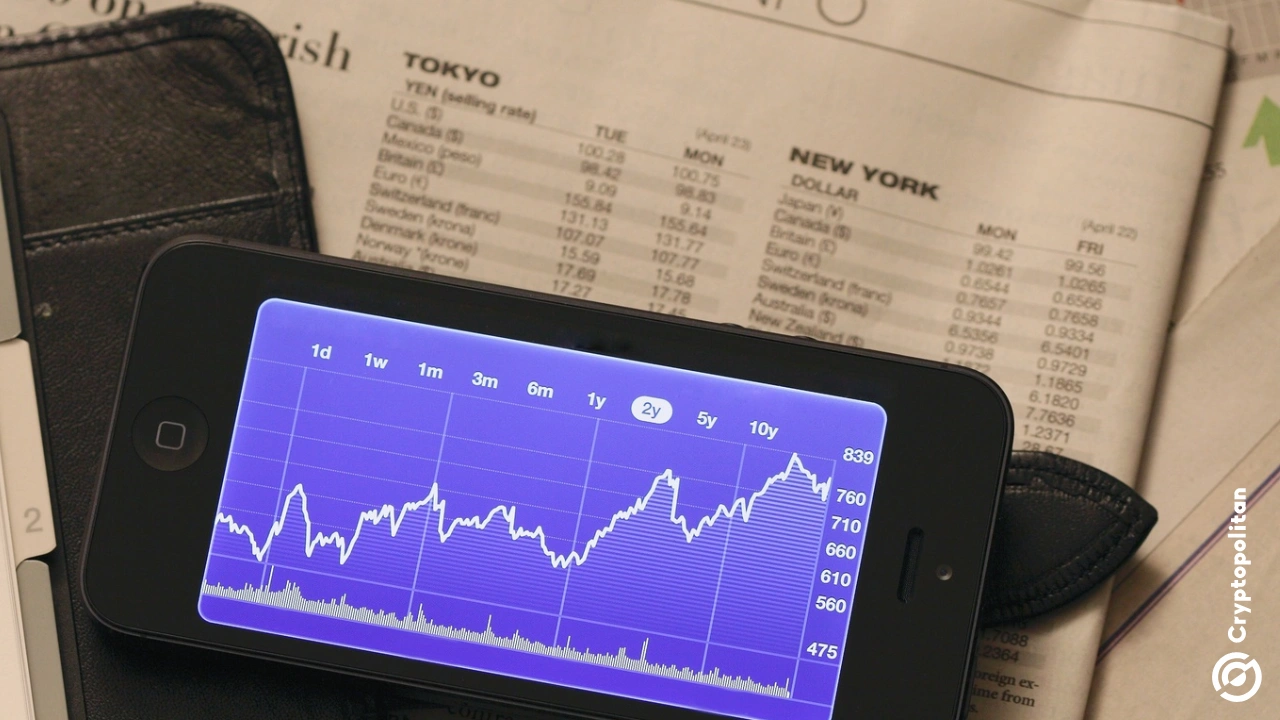
The yen surged by 1.75% on Friday to 155.63 per dollar, the biggest one-day rally since last year August, flipping what had been a brutal slide and making lawmakers in Tokyo jittery… again.
Naturally, Wall Street traders weren’t quiet either. Many pointed to calls made by the New York Fed to several big financial firms, asking questions about the yen exchange rate.
But things aren’t so smooth in Washington. If Japan is expecting a clean team-up, good luck. The US Treasury and Federal Reserve aren’t even pretending to get along right now. And that’s not great if you’re trying to manage currency chaos.
Bessent blames Japan bonds, not dollar strength
While traders were looking at dollar-yen volatility, Treasury Secretary Scott Bessent threw cold water on the idea of joint intervention. Instead of pointing fingers at exchange rates or the dollar, Scott said it was Japan’s own bond market causing the drama.
Long-term Japanese government bonds took a hit on Tuesday after Prime Minister Takaichi Sanae called a snap election for February 8. Investors expect more government borrowing if she wins, especially since she’s pushing a two-year cut to grocery sales tax.
That promise spooked bondholders. Yields jumped. Scottie said that’s what made the yen wobble, not US actions. So while everyone thought the Fed might step in, Scott was saying, in effect: don’t blame us.
Now, keeping US Treasury yields low is a major goal for Donald Trump’s administration. That matters for everything from federal debt to mortgage rates. A strong dollar makes that harder.
So, if Scott thinks Japan’s domestic choices are to blame for the yen’s mess, he’s not likely to push for joint rescue action. But he’s not just being analytical. He’s been locked in a growing fight with Fed Chair Jerome Powell.
Bessent joins Trump in attacking Powell
Scott used to bite his tongue. Not anymore. After months of nudging Powell behind the scenes, he joined Trump’s public push to dump him. In Davos, Scott went on record bashing Powell’s leadership. He took issue with Powell’s decision to show up at Supreme Court hearings involving Lisa Cook, a Fed governor Trump is trying to remove.
“If you’re trying not to politicize the Fed, for the Fed chair to be sitting there, trying to put his thumb on the scale, is a real mistake,” Scott said on CNBC.
Powell didn’t clap back. He rarely does. But earlier this month, he accused the Justice Department of using criminal threats to force the Fed into cutting rates, something Trump has wanted since day one.
Powell hasn’t said a word about the yen, Japan, or intervention. He’s got bigger fires. But if Japan really wants coordinated action, someone’s going to have to make a call. And right now, there’s no trust between Powell and Scott.
History shows rare but possible joint action
Joint intervention doesn’t happen often. The US has only done it three times since 1996, the last being in 2011, after the earthquake in Japan. Even then, it took all G7 members working together.
Japan last acted in July 2024, buying yen and selling about $35 billion, or 5.53 trillion yen. That was huge. But it was solo.
Scott might not need the Fed’s green light if he decides to go it alone. He’s already shown he’s willing to break rules. Last fall, he directed Treasury to buy Argentine pesos, just to help President Javier Milei, a Trump ally, ahead of the election. That wasn’t about market stability. That was straight-up political. If he backed Milei, he might be ready to back Takaichi too.
Problem is, the Fed still controls the mechanics if the US is going to touch yen. And Powell isn’t one to follow orders. If Scott tries to push a yen intervention without Powell, that’ll spark a way bigger fight.
Basic economics: the Treasury can’t act without the Fed’s help in execution. If Japan needs the US to act, they’re not just watching the markets; they’re watching the drama inside Washington.












 English (US)