
 2 months ago
8551
2 months ago
8551
.png)
Before the market started on Tuesday, Intel shares fell 6.6% in trade, retreating from the previous session’s record high of $141.45.
Technology equities were hammered by a broader sell-off as speculators cashed in their gains.
Despite the decline, Intel has increased by almost 500% in the last 12 months. As investors withdrew from high-risk tech companies, the Nasdaq Composite fell 1.3%.
AMD, Micron, and Broadcom, three of Intel’s primary competitors in the chip industry, encountered similar issues.
After a robust run linked to artificial intelligence, investors have begun to wonder if prices in the industry have risen too much.
The retraction comes after a slew of positive announcements.
Bank of America raised its price objective for Intel from $135 to $160 on June 23, 2026. The bank stated that it anticipates significant spending on AI through 2028.
Additionally, it increased its estimate of the semiconductor market’s overall size to $2.7 trillion and predicted that it might expand at a rate of 28% annually between 2025 and 2030.
The bank linked its more optimistic outlook to improvements in data centers and memory, as well as a resurgence in the automotive and manufacturing sectors.
New products and deals fuel the run
There was good news on the product side too. Super Micro Computer, Inc. said on Tuesday it had widened its support for AI computing built for the edge using Intel parts.
The setup pairs Intel Core Ultra chips and Arc Pro graphics cards with Supermicro’s own systems.
The range runs from the fanless SYS-E103-14P, which offers up to 180 TOPS of AI power, to the thin SYS-521AD-LN2 mini tower.
Additionally, Supermicro updated its short 1U SYS-111AD-WN2R systems, which are compatible with DDR5 memory and Intel Core Series 2 CPUs.
The portfolio is compatible with Intel’s Arc Pro B-series graphics cards, which include the low-power Arc Pro B50 with 170 TOPS, the Arc Pro B60 with 197 TOPS, and the Arc Pro B70 with up to 367 TOPS and 32 GB of VRAM.
Other victories also contributed to Intel’s rapid ascent.
The business affirmed that it will provide the primary CPUs for Nvidia’s upcoming DGX systems. Tensor processing units were ordered by Google.
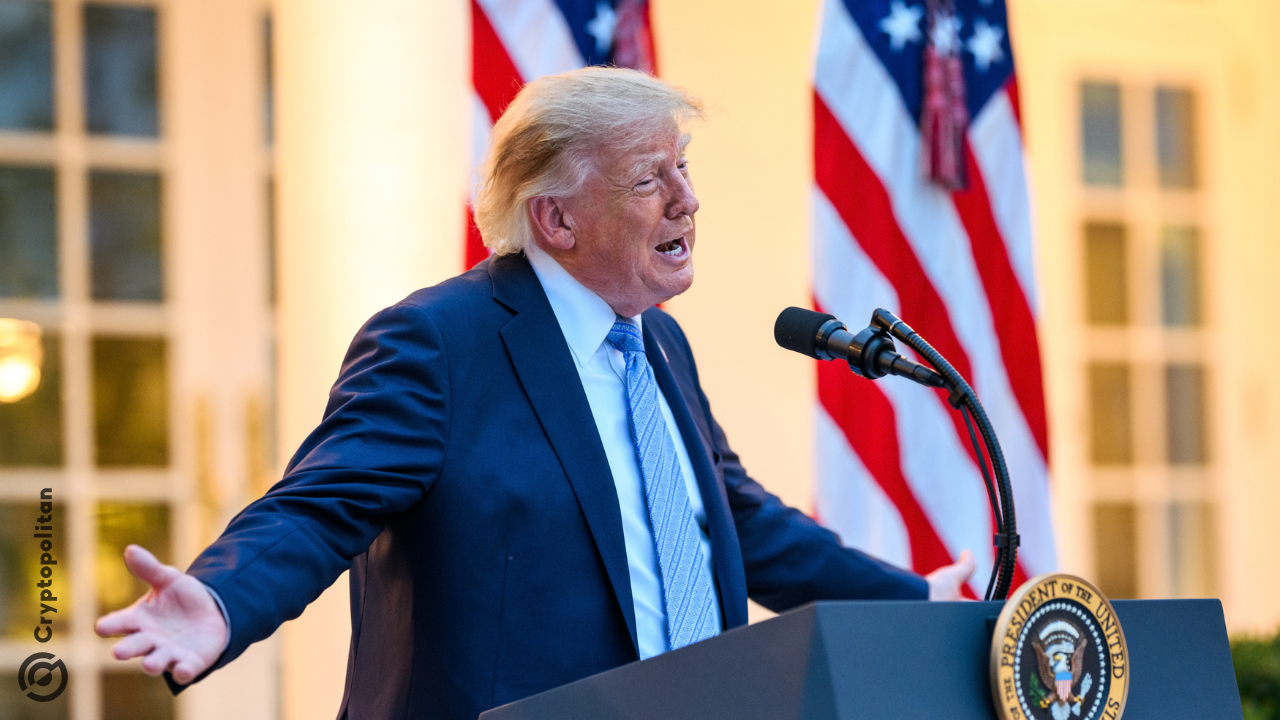
Additionally, according to President Trump, Apple and Intel have decided to collaborate on designing and producing processors domestically.
However, in order for the rally to continue, Intel must reduce the discrepancy between its exorbitant pricing and the capabilities of its plants.
The price-to-book ratio is 6.36, and the price-to-sales ratio is 12.31, both of which are close to their all-time highs.
This implies that the shares may be more expensive than the company’s value and sales can sustain. With a GF Score of 66, Intel’s stock is likewise overpriced.
Additionally, over the last three months, corporate insiders sold $6.5 million worth of shares, which some see as an indication that management is unsure about the direction the stock will take.
The suspicions were heightened by a pessimistic research note that cited Intel’s negative free cash flow and its foundry unit’s $2.4 billion operational deficit in the first quarter of 2026.
The factory test still ahead
Ultimately, Intel’s recovery depends on resolving the manufacturing and engineering issues that have impeded its transition to more recent, compact chip architectures.
Thinner margins are still a concern because its 18A node began risk production on schedule, but it still produces too few functional chips to be profitable.
In terms of yield, the percentage of high-quality chips on each wafer that determines profit, Intel is likewise years behind Taiwan Semiconductor Manufacturing Co. (TSMC).
Amazon Web Services selected Intel’s 3nm-class technology for a future server device, while Microsoft has opted to use 18A for an unnamed chip.
Both still send the majority of their work to TSMC, and neither has stated how many they would purchase.
August’s 18A symposium, where Intel will present yield figures and client deals, is the company’s next major test.
What those figures indicate will determine whether the stock maintains its advances.
If you're reading this, you’re already ahead. Stay there with our newsletter.






 English (US)