
 3 months ago
12750
3 months ago
12750
.png)
The United States Treasury Department has unveiled a new set of sanctions aimed at disrupting Iran’s weapon acquisition networks. Targeting nine individuals and entities, the measures are directed at those allegedly facilitating arms procurement for Iran’s Islamic Revolutionary Guard Corps and the Ministry of Defense. The focus shifts to Chinese and Hong Kong-based companies believed to be operating extensive global supply and finance systems that support Iran’s military endeavors.
Focus on Military Supply Chains
The Treasury’s Office of Foreign Assets Control (OFAC) highlighted that the sanctions aim to cut off Iran’s military supply lines and financial conduits. Leveraging presidential executive orders, the action focuses on those allegedly contributing to the dissemination of weapons of mass destruction and operating within Iran’s financial sector.
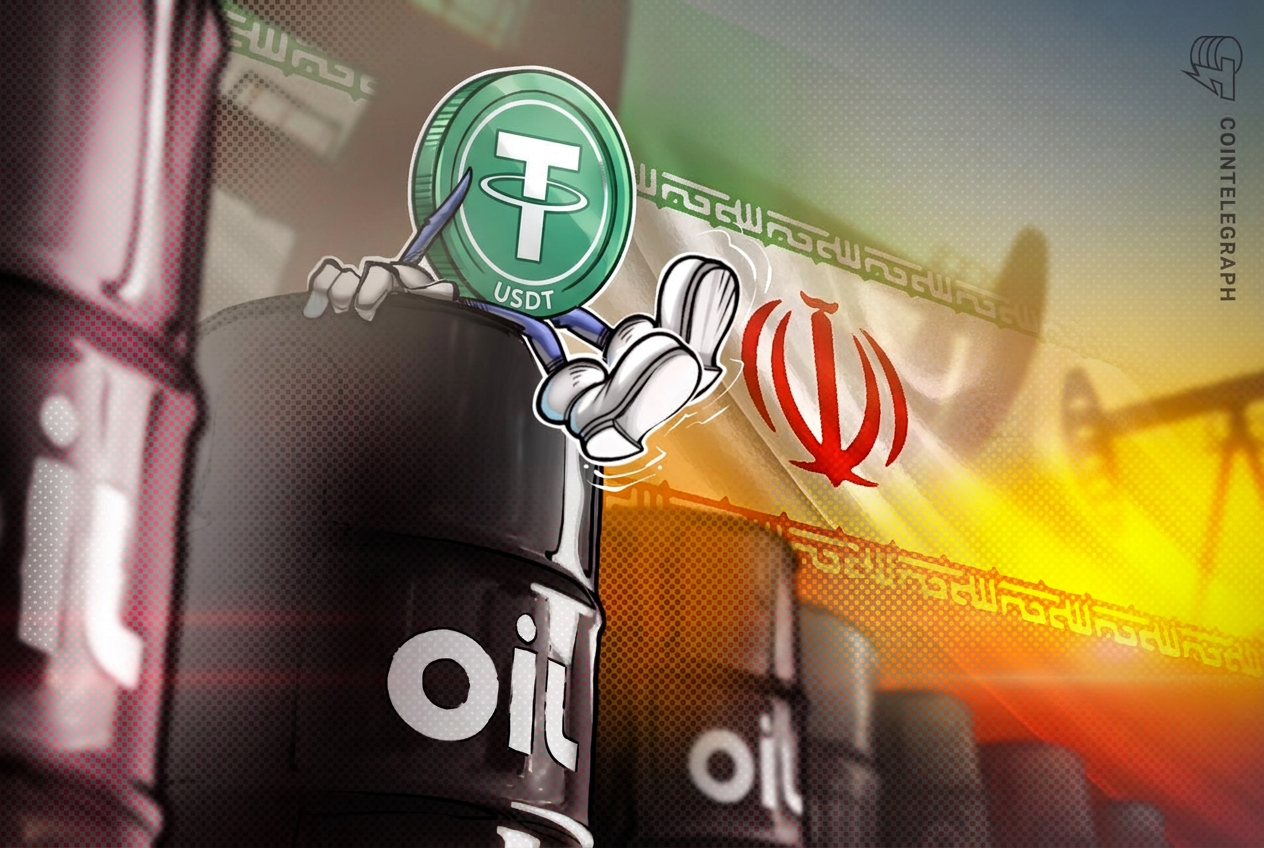
Treasury Secretary Scott Bessent pointed out the strategic disruption of Iran’s external resources, especially after a significant US crackdown on approximately $1 billion in crypto-assets linked to Iran. The decision marks an intensified effort by Washington to block Tehran’s access to global financial systems, banking networks, and digital currencies.
Treasury Secretary Scott Bessent underscored that the department is focused on dismantling Iran’s overseas supply networks, including the digital asset channels supporting its military apparatus.
Sanctioned Individuals and Firms
Among those sanctioned are Liu Boyu and other associates of Mustad Limited, based in Hong Kong, already under scrutiny since May 2026 by OFAC. Mustad is alleged to play a role in financing arms deals related to the Revolutionary Guard.
Additional names include Wang Hongyi, Xu Lichun, and Mustad Shanghai International Trade Co Ltd, the last of which is owned by Mustad. Domus Trading HK Limited from Hong Kong also faces sanctions for allegedly being part of Iran’s secretive financial web supporting weapon purchases.

Manuchehr Golchin, an Iranian resident in China, is accused of aiding Iran’s Ministry of Defense, while Meng Shaopei, linked to Hong Kong’s Solos International Limited, is cited for backing defense transactions.
What Are the Risks for External Entities?
The US State Department simultaneously levied sanctions against additional groups and individuals from Iran and Belarus, attributing to their role in advancing Iran’s conventional weapons agenda. This stance echoes actions taken in May targeting networks tied to Iran’s defense ambitions.
OFAC has frozen all US-tied assets of the sanctioned parties. Additionally, any US person engaging with these assets without prior OFAC consent may face stringent penalties. Foreign banks or financial entities risking engagement with these sanctioned individuals could also incur secondary sanctions.
– Key takeaways of the sanctions include:
– Comprehensive block on sanctioned assets in the US jurisdiction.
– Secondary sanctions warning for allied financial institutions.
– Transactions crossing the Strait of Hormuz—using any medium—are within sanctionable reach.
The comprehensive sanctions represent an escalation in efforts to isolate Iran’s military funding capabilities, emphasizing severe consequences for those contravening international regulations.
Disclaimer: The information contained in this article does not constitute investment advice. Investors should be aware that cryptocurrencies carry high volatility and therefore risk, and should conduct their own research.












 English (US)