
 2 months ago
8364
2 months ago
8364
.png)
According to a recent filing with the Office of Government Ethics, President Trump reported more than $600 million in income from his $TRUMP memecoin in 2025.
As a result, Democrats, led by long-term Trump critic Senator Kirsten Gillibrand (D-NY), have returned to demanding stronger ethics provisions in any crypto legislation Republicans plan to bring to the Senate floor.
Financial disclosure reveals size of crypto profits
Trump’s cryptocurrency income goes well beyond his profits from memecoins. According to reports, Trump reached $1.4 billion last year in crypto-related income, which is over 50% of his $2.2 billion in reported income from 2025.
That figure is a sum total of the $635 million in royalties generated from Trump’s memecoin business, $527 million from token sales distributed by World Liberty Financial (the DeFi project owned by the Trump family), and approximately $263 million from stakes in holding companies connected to WLF and its stablecoin arm.
Former White House ethics lawyer Richard Painter told NPR that federal conflict-of-interest statutes would bar other executive branch officials from comparable dealings. Trump, Painter said, “stands alone in having such substantial financial conflicts of interest” as president.
The White House rejected claims of any financial conflict. Spokesperson Anna Kelly said Trump had made the U.S. “the crypto capital of the world,” and the president stated that outside institutions manage his investments without his involvement, according to NPR.
Gillibrand renews push for ethics rules
Senator Kirsten Gillibrand (D-NY), one of the lead negotiators on the CLARITY Act market structure bill, responded to the filing by renewing her call for provisions that would prohibit the president, members of Congress, and their families from profiting off digital assets, Fox Business reporter Eleanor Terrett reported on July 3.
Gillibrand drew a hard line on the issue at the Consensus Miami conference in May. “We cannot allow members of Congress, senior administration officials, presidents, or vice presidents to get rich off these industries because of their insider status,” she said at the event.
She is also a co-sponsor of the End Crypto Corruption Act (S.1668), introduced by Senator Jeff Merkley with 19 Democratic co-sponsors. That bill would bar senior officials and their families from issuing, sponsoring, or endorsing cryptocurrencies, memecoins, tokens, NFTs, and stablecoins.
Ethics language remains the bill’s biggest obstacle
The Senate Banking Committee advanced a substitute amendment to the market structure bill on May 14 in a 15-9 vote. Two Democrats, Senators Ruben Gallego (AZ) and Angela Alsobrooks (MD), voted yes but warned their support on the floor depended on the inclusion of ethics guardrails.
Alsobrooks called the Trump family “the most corrupt we’ve ever seen in the White House,” citing “planes, pardons, falsifying business records, and now crypto.” Gallego posted on X that “Trump is using the presidency to profit off the American people.”
Senator Elizabeth Warren (D-MA) argued that the bill, in its current form, could make things worse. “The crypto legislation heading to the Senate floor must prevent the president, vice president, senior administration officials, members of Congress, and their families from profiting off the crypto industry,” Warren said.
Banking Committee Chairman Tim Scott (R-SC) has pushed for a full Senate vote this month. House Financial Services Committee Chairman French Hill (R-AR) echoed that urgency, telling reporters the Senate should “complete their work before the August recess.”
But the two chambers would still need to reconcile the Senate version with a House market structure bill that passed a year ago.
One Senate Republican aide acknowledged the tension between the two chambers. But negotiations over ethics language, anti-money laundering provisions, and oversight of decentralized finance networks are ongoing, as there is a strong appetite to move the piece of legislation to the floor.
Gillibrand faces her own conflict of interest questions
The ethics debate has also touched Gillibrand directly. On July 2, Politico reported that Ripple co-founder Chris Larsen invested in American Perpetuals Exchange Corp. (APEC), a derivatives startup founded by Gillibrand’s 22-year-old son Theodore.
Ripple is one of crypto’s most active Washington lobbying forces and a direct stakeholder in the CLARITY Act that Gillibrand is helping negotiate. Gillibrand’s office said her son is “a grown adult starting his own independent business” and that she has “no involvement in it whatsoever.”
No wrongdoing has been alleged, but the optics are what they are.
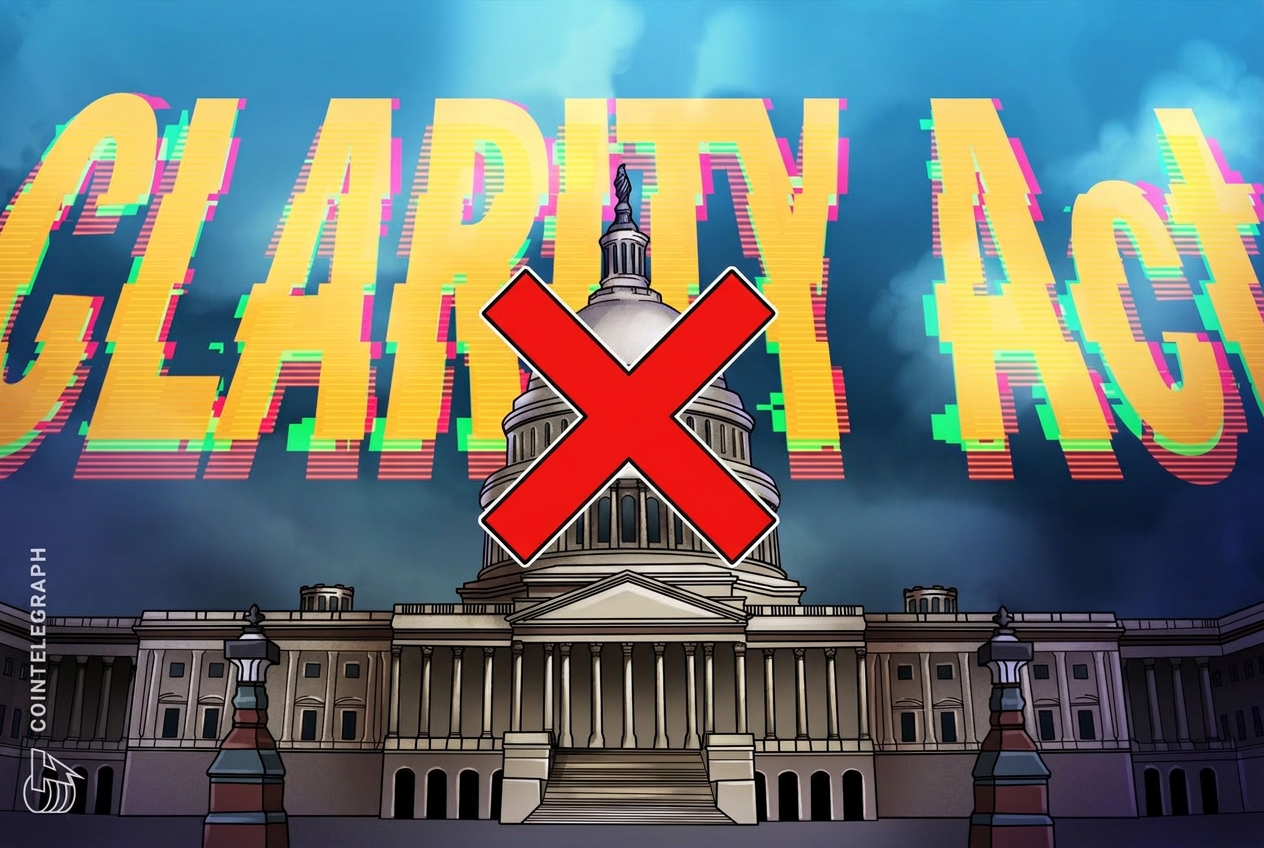
The window to pass the CLARITY Act won’t stay open for much longer as the August recess draws closer. However, finding a common ground on ethics language in the coming weeks will likely determine whether comprehensive crypto regulation passes this Congress or stalls for another session.
If you're reading this, you’re already ahead. Stay there with our newsletter.












 English (US)