
 2 months ago
10312
2 months ago
10312

The Trump administration and top crypto executives are celebrating before the Senate Banking Committee takes up the Digital Asset Market Clarity Act, with the bill now close to a serious vote after years of legal fog around crypto.
According to Coinbase CEO Brian Armstrong, “CLARITY is closer than ever. The bill is strong.” He highlighted how it will make the U.S. financial infrastructure quicker, more accessible, and less expensive, as well as ensure that America remains ahead of the curve in building the new finance world.
In addition, he thanked the Senate, their staffers, and millions of crypto supporters who have made this possible, concluding, “Mark it up.”
Crypto leaders push the Senate to pass clear rules for digital assets
Paolo Ardoino, Tether’s CEO, noted that “clarity is coming.” That was all he had to say; however, everyone understood the sentiment in the cryptocurrency market: Stablecoin issuers, exchanges, developers, attorneys, and crypto investors wanted Congress to stop leaving crypto caught up in bureaucratic battles and outmoded market legislation.
David Sacks, who serves as the chairperson of the President’s Council of Advisors on Science and Technology, connected the hearing to the crypto push by the Trump administration. According to him, “Tomorrow’s markup of the Digital Asset Market Clarity Act is a huge step in making the U.S. the Crypto Capital of the World and keeping America at the forefront of technological progress.”
 Odds of Clarity Act passing. Source: Polymarket
In addition, David thanked Senator Tim Scott, the committee members, White House crypto lead Patrick Witt, and the cryptocurrency industry in general for getting this bill through. The chairman mentioned that approximately 50 million Americans either invest in or use cryptocurrencies, meaning that the legislation will decide how the cryptocurrency market evolves within the country.
Tim Scott emphasized that “families, small businesses, investors, and innovators deserve certainty about the legal framework around digital assets.” As per him, passing the Senate Banking Committee version of the CLARITY Act will ensure market certainty, consumer protection, accountability, Main Street protection, enhanced national security, and continued development of digital assets in the United States.
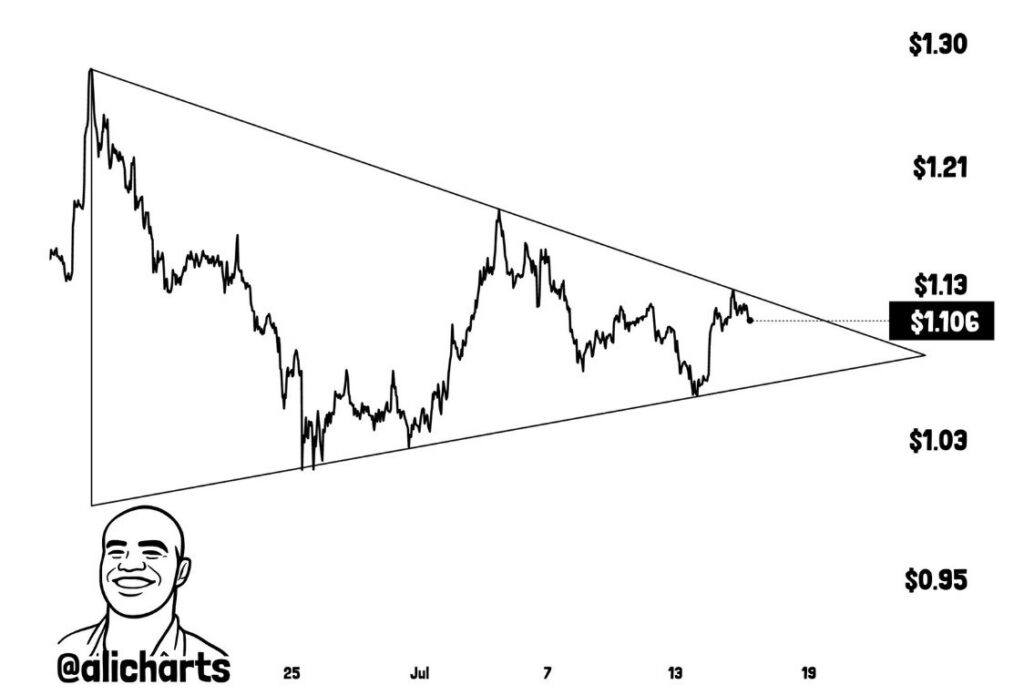
Brad Garlinghouse, the CEO of privately held cryptocurrency company Ripple Labs, pointed out, “The Senate Banking Committee is rolling up its sleeves and moving the Clarity Act forward.” Brad added that millions of Americans already trade cryptocurrencies, and they deserve to have the same regulations as investors in other asset classes. The reason for Ripple being involved in the US crypto regulations discussion is due to the company’s struggles with XRP.
Ripple chief legal officer Stuart Alderoty said, “67 Million Americans hold crypto today–and every US Senator on the Senate Banking Committee represents them.”
Stuart cited the National Cryptocurrency Association’s 2026 State of Crypto Holders Report, saying crypto owners include construction workers, retirees, small business owners, and parents across every income level, industry, and state.
He said they need clear rules, strong consumer protections, and a framework that lets responsible crypto projects grow in the United States.
Andreessen Horowitz co-founder Marc Andreessen said, “It’s time to pass the Clarity Act.” Marc’s firm has backed many crypto and tech companies, so his statement adds another Silicon Valley voice to the pressure campaign around the bill.
Senators target stablecoin rewards, crypto bailouts, and Trump family banking ties
The hearing will not be some quiet paperwork session. Lawmakers will vote on each amendment to the large bill before they decide whether the package should go to the Senate floor. The proposed changes cover stablecoin rewards, government support for crypto firms, and business links involving Trump and his family.
Sen. Jack Reed of Rhode Island has an amendment using the banking industry’s preferred wording on stablecoin yield. His proposal would force every member of the Senate Banking Committee to vote on whether that language should enter the Clarity Act.
Banks and crypto lobbyists have spent months fighting over reward programs tied to stablecoins, which are digital tokens pegged to the US dollar. The current bill language has support from crypto groups, while traditional banks have pushed back hard.
Sen. Tina Smith of Minnesota added another amendment aimed at financial risk. Her language would ban the US government from giving crypto businesses financial help to stop failure or bankruptcy. That would shut the door on any federal rescue if a crypto company blows up and asks Washington for backup.
Sen. Elizabeth Warren of Massachusetts filed a separate amendment aimed at banking access for politically connected institutions. Her proposal would block federal approval of banking-related applications for entities directly tied to the president, vice president, members of Congress, or their close relatives. It would also stop those officials and family members from owning or controlling banks.
The target is not exactly subtle. World Liberty Financial, the Trump family’s crypto company, applied this year for a banking charter from the Trump administration, and Democrats including Elizabeth have attacked the setup as alleged self-dealing.
The smartest crypto minds already read our newsletter. Want in? Join them.

















 English (US)