
 3 months ago
13841
3 months ago
13841
.png)
On-chain analytics firm CryptoQuant has identified a significant divergence in the demand structures driving Bitcoin and Ethereum’s recoveries in 2026, with Bitcoin attracting sustained institutional spot buying while Ethereum’s price stability reflects reduced selling pressure rather than genuine new demand — a distinction that carries major implications for the broader market’s next move.
According to CryptoQuant’s analysis of on-chain and exchange data covering April and early May 2026, Bitcoin and Ethereum are operating under fundamentally different demand regimes.
Bitcoin’s recovery has been driven by real spot purchases — investors buying and withdrawing BTC from exchanges into long-term storage — a dynamic that removes available sell-side supply and creates a structural tailwind for price even during low-volume periods. Ethereum’s stabilization, by contrast, appears to be largely a function of sellers stepping back rather than buyers stepping in.
Bitcoin v. Ethereum: Spot and Leverage DistinctionThe difference matters more than it may initially appear. When demand comes through spot ETFs or direct purchases, coins leave exchange inventories and are effectively taken off the market. When demand is primarily expressed through futures and perpetual contracts, coins stay on exchanges and positions can be unwound quickly — returning supply and amplifying volatility when sentiment shifts.
CryptoQuant’s data makes the institutional gap between the two assets concrete. US spot Bitcoin ETFs recorded $532 million in net inflows on May 4 alone, per the firm’s analysis, and $2.44 billion across the full month of April — the largest monthly institutional buying figure in nearly eight months.
US Ethereum spot ETFs logged $61.29 million in net inflows on the same day, a positive data point, but the scale and consistency of ETH’s institutional flows have not matched Bitcoin’s trajectory, per CryptoQuant’s assessment as reported by Bitcoin.com News.


CryptoQuant’s central finding points toward a clear threshold: Bitcoin dominance — BTC’s share of total crypto market capitalization, which currently sits above 60% — is likely to hold until Ethereum demonstrates the kind of sustained spot buying that has underpinned Bitcoin’s recovery.
Should ETH eventually mirror BTC’s spot demand pattern, the firm’s analysis suggests a broader altcoin rally could follow, as capital rotates outward from Bitcoin into the wider market.
Until that rotation materializes, the current environment reflects capital concentration rather than broad-based recovery — a distinction the nascent sector’s most attentive observers are tracking closely heading into the second quarter.
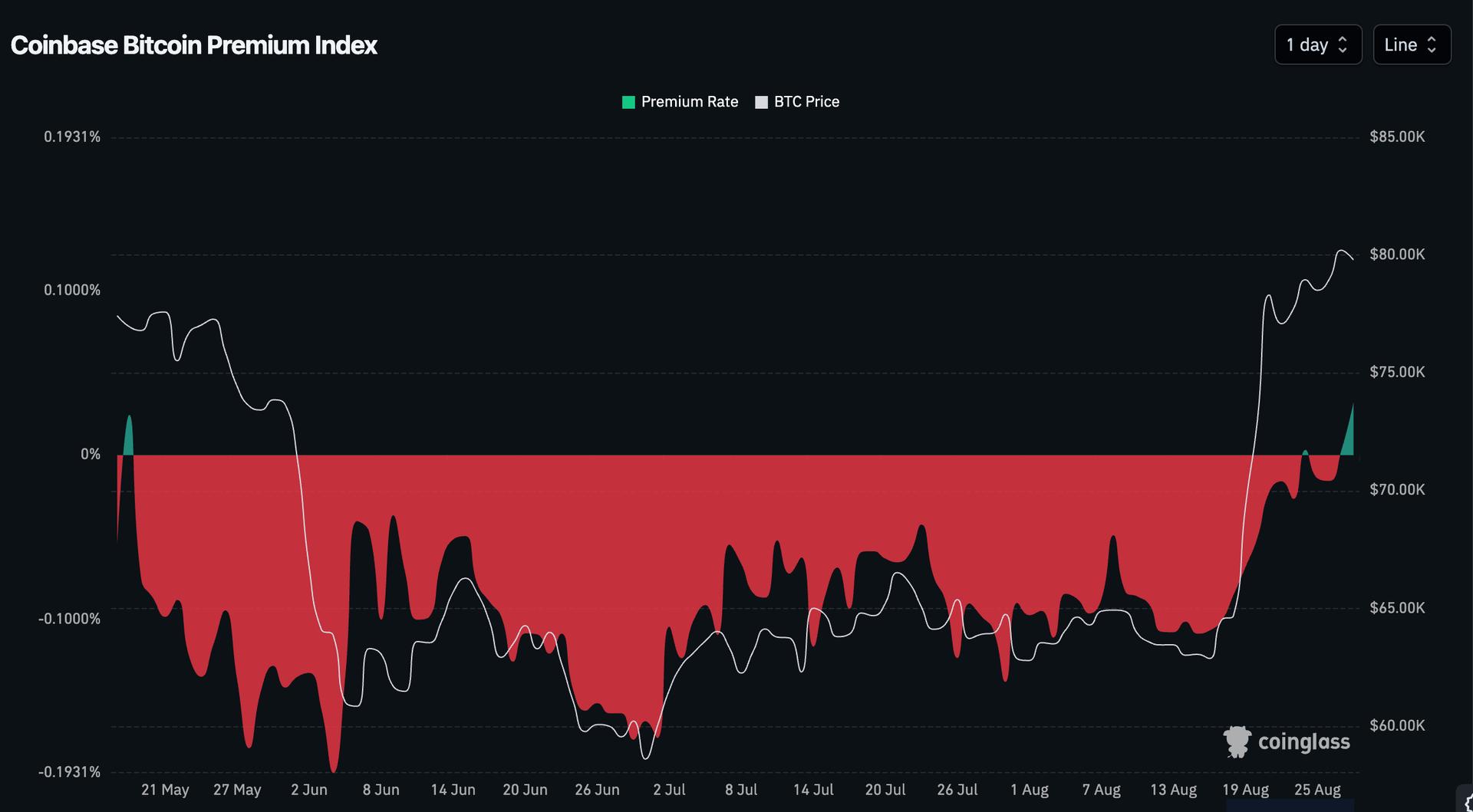
As of this writing, Bitcoin trades at around $81,500, consolidating above the critical $80,000 level as institutional accumulation continues to provide structural support for the asset’s near-term price floor.

Cover image from Grok, BTCUSD chart from Tradingview















 English (US)