
 2 months ago
12521
2 months ago
12521
.png)
Every day, billions are traded through decentralized exchanges, with the latest figures from DefiLlama showing the DEX volume has reached about $5 billion in the past 24 hours. Aggregators assess rates and paths available from various liquidity providers to find the best deals. To illustrate, while 0x collects data from approximately 150 services, Uniswap’s quote API shows the user both the price and the route.
A number of services also provide a so-called transaction simulation, which assumes that the results will correspond to what would happen in reality. New research from the DeFi infrastructure company Enso published July 16, 2026, reports that trust can be manipulated — and the company has identified pools that do just that.
The risk goes beyond these two contracts. Wallets, DEX aggregators, and other consumer-facing apps often rely on off-chain simulations to find users the best trade. Enso found that a pool can exploit this process by showing an attractive price during simulation to win the route, then delivering a worse price when the actual transaction hits the blockchain.
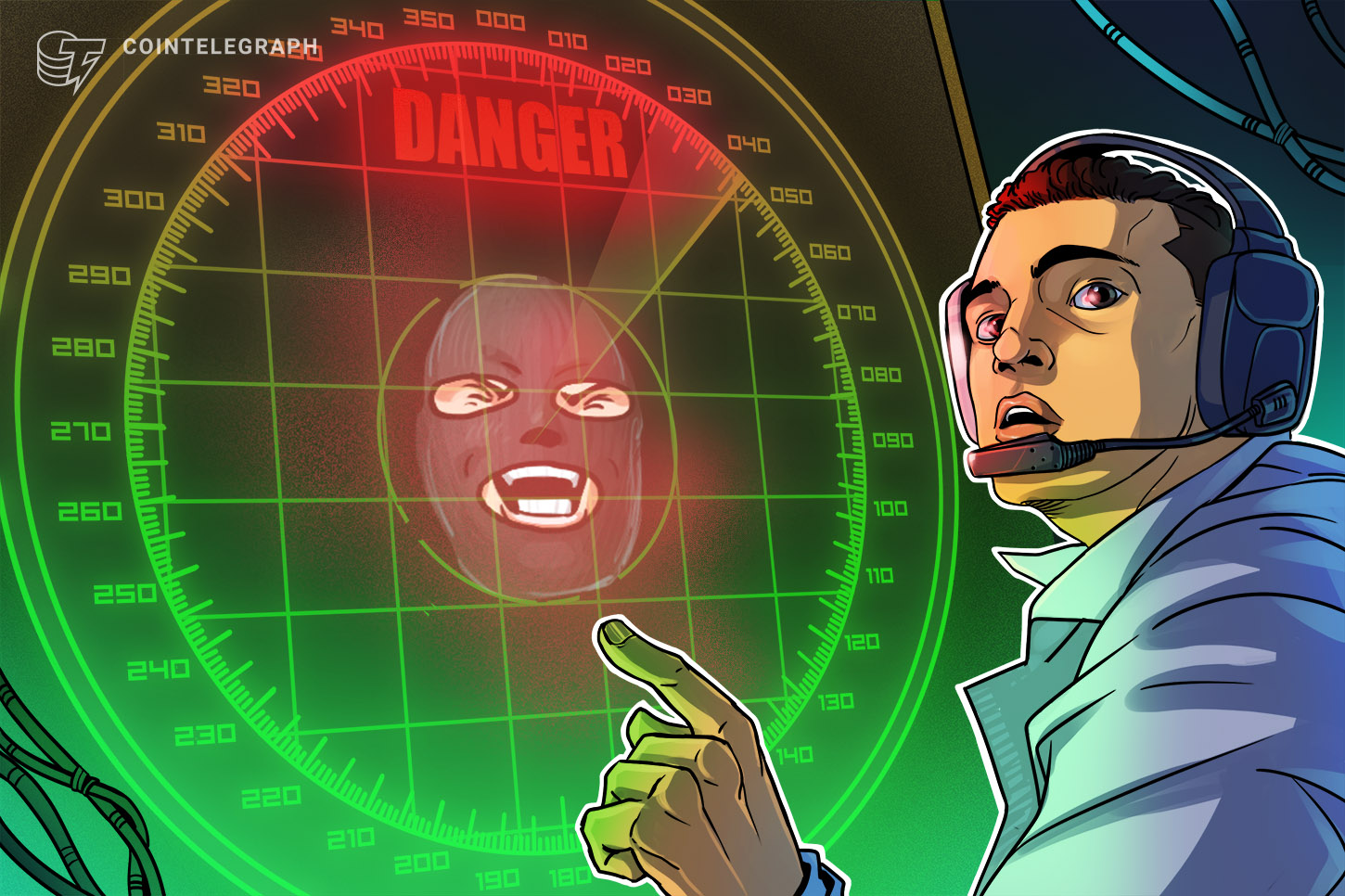
Enso calls these setups “toxic pools.” They take advantage of the gap between a simulated trade and what actually happens on-chain. By checking values such as tx.gasprice, tx.origin, and block.coinbase, a smart contract can tell when a transaction is only being simulated and behave normally during the preview, then change its behavior when the real trade goes through.
Two live cases, two kinds of damage
After conducting two months of analysis of RPC data, transaction traces and contract data with the support of Curve Finance and Oku contacts, Enso managed to identify pools that function on Ethereum and Polygon.
On Ethereum, a Curve USDC/USDT pool used a manipulated rate oracle to make simulated trades look better than the real ones. During a simulation, the oracle applied a discounted rate. But when the actual trade went through, that discount vanished, leaving users with less than expected. The manipulation was also difficult to spot because the oracle relied on legitimate Chainlink price feeds, only changing their output when it detected a simulation.
Enso calculated that the pool quotes were inflated by nearly $225,000, although this does not mean that $225,000 has been stolen. The operator’s recorded net gain was $34,592.87, with nearly $23,440 being normal fees of the Curve. Enso also spotted 129,070 swaps whereby the users received quotes below what they were supposed to receive and saw 37,425 failed transactions that still cost gas to their users.
The Polygon case caused more disruption than profit. A USDC/WETH pool using a Uniswap v4 hook charged a roughly 98.9% fee when gas prices rose above 100 gwei and used other signals to detect simulations. While the pool made little money, it repeatedly appeared to offer the best route during simulations, only for the actual transactions to fail. That wasted gas and other resources across routers and trading systems.
Enso recorded 37,467 failed swaps, putting the failure rate at 99.1%. About 93% of those reverted transactions involved MEV and arbitrage bots. One cross-DEX operation alone reportedly cycled through roughly 2,525 burner wallets and racked up 3,509 failed transactions.
Rethinking DeFi security
The Curve pool did not behave maliciously all the time, making it harder to detect. Enso found that its discount setting changed 26 times across 48 observed windows, with the pool showing malicious behavior during about 59% of the hours monitored. In other words, a pool that looks safe during one check could turn hostile later, making static code reviews and reputation filters less reliable.
Enso also found signs that the approach may have been replicated. According to the report, the same operator used EIP-7702 smart accounts tied to a shared implementation to deploy 18 oracle contracts behind at least six similar pools.
The impact was not limited to bots and professional traders. Enso says MetaMask routed 6,625 swaps through the toxic Curve pool, showing how flaws in routing infrastructure can also affect everyday users.
Enso does not blame Curve, Uniswap, or the wallets that interacted with these pools. Their systems, it argues, were built around a reasonable assumption: that a liquidity pool will behave the same way during a simulation as it does when the actual trade goes through.
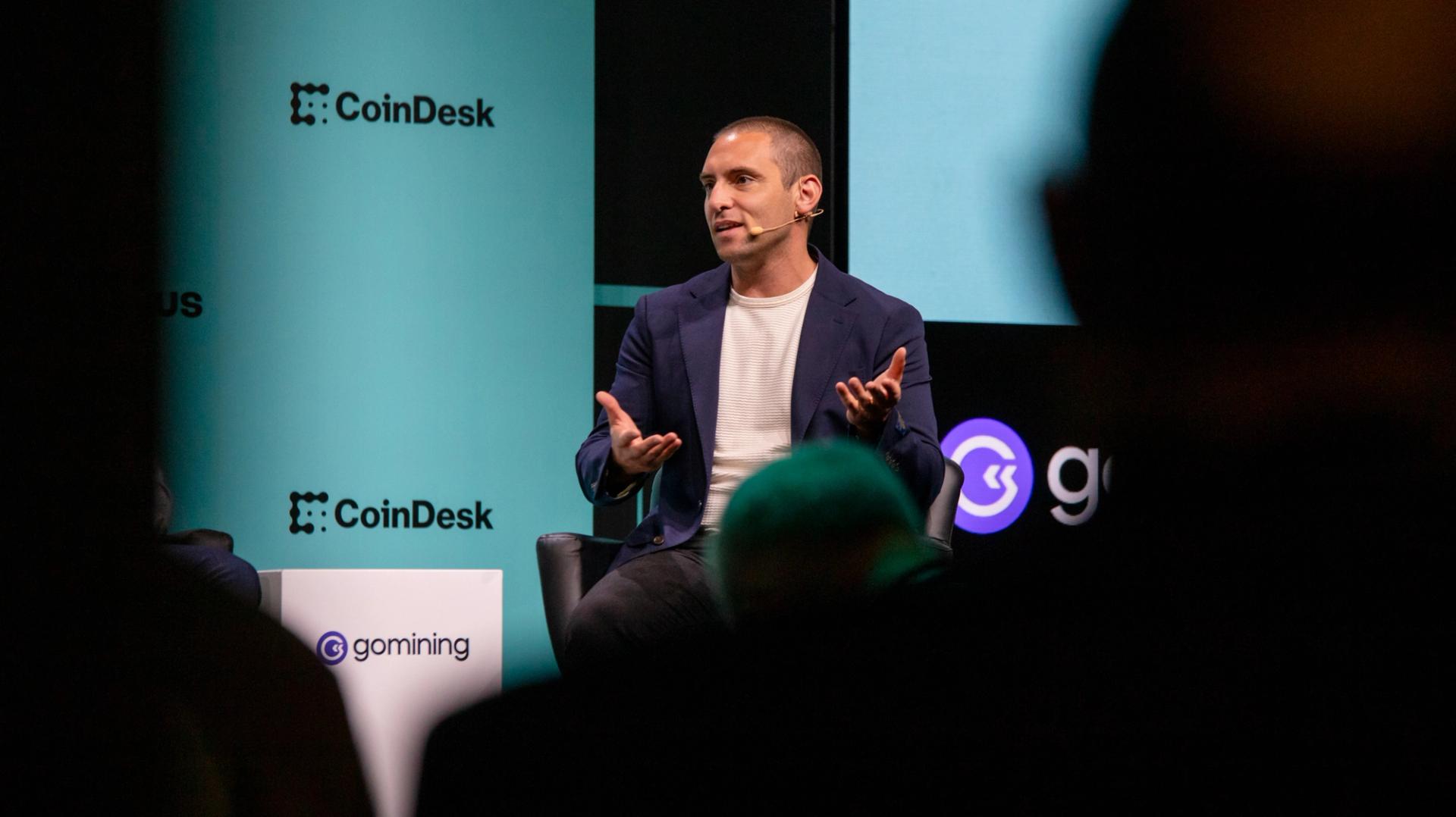
“The industry has spent years optimizing price discovery,” said Enso co-founder and chief product officer Milos Costantini. He added, “our findings suggest the next challenge is verifying execution integrity.”
Both identified venues became inactive after Enso’s disclosure. The Polygon hook has reportedly been inactive since May 15, while the Curve pool’s discount is now set to zero. Enso says it has added toxic-pool detection to Enso Shield, using live on-chain context and historical quote behavior rather than relying on a single simulation.
If you're reading this, you’re already ahead. Stay there with our newsletter.








 English (US)