
 1 hour ago
947
1 hour ago
947
.png)
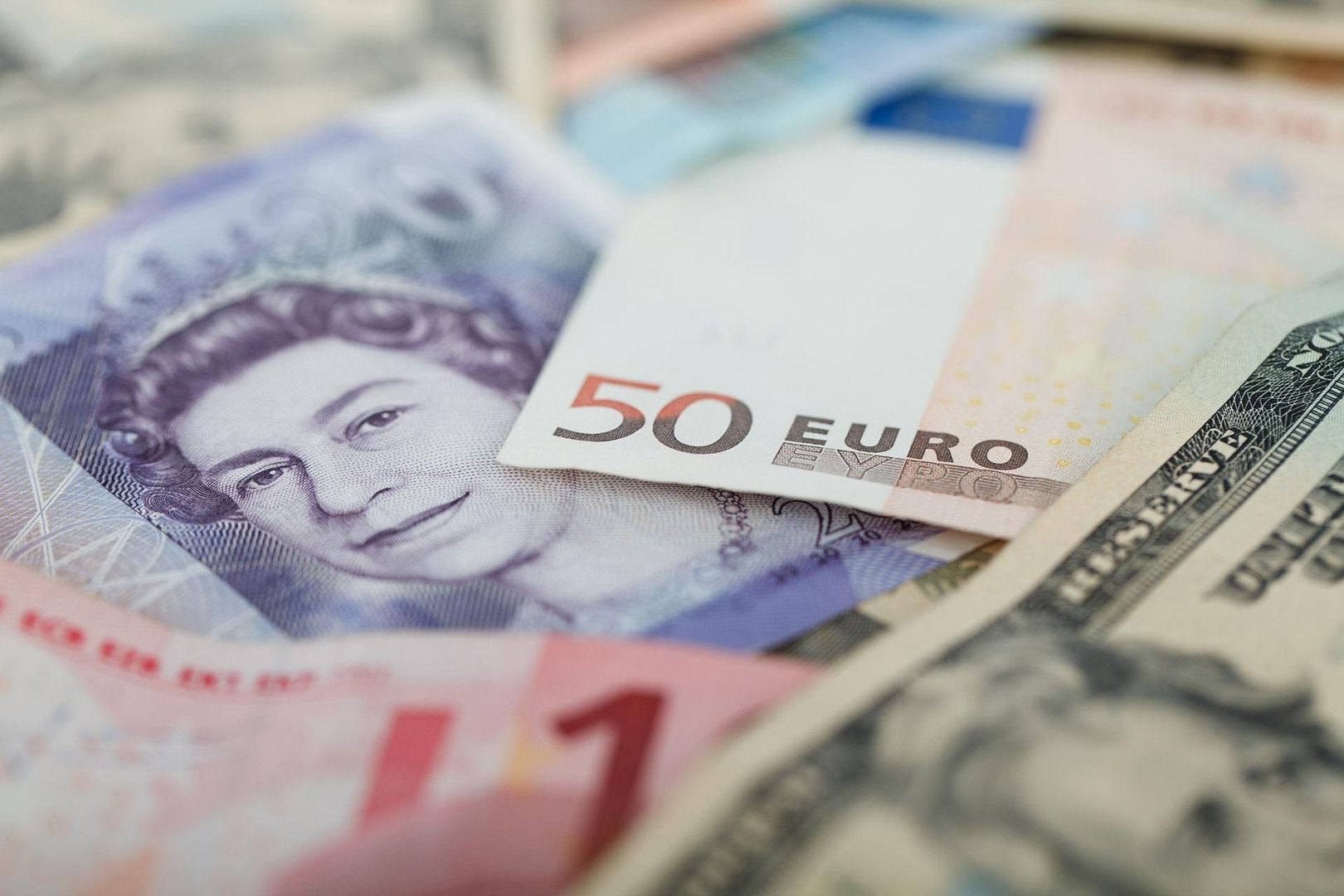
Sterling has made it through Britain’s latest political disaster and global tension without falling apart, but the pound is losing steam as the U.K. falls behind the change toward higher rates.
So far this year, the currency is up roughly 1.6% against the euro, 2.8% against the Swiss franc, 4.9% against the Swedish krona, and 1% against the Canadian dollar.
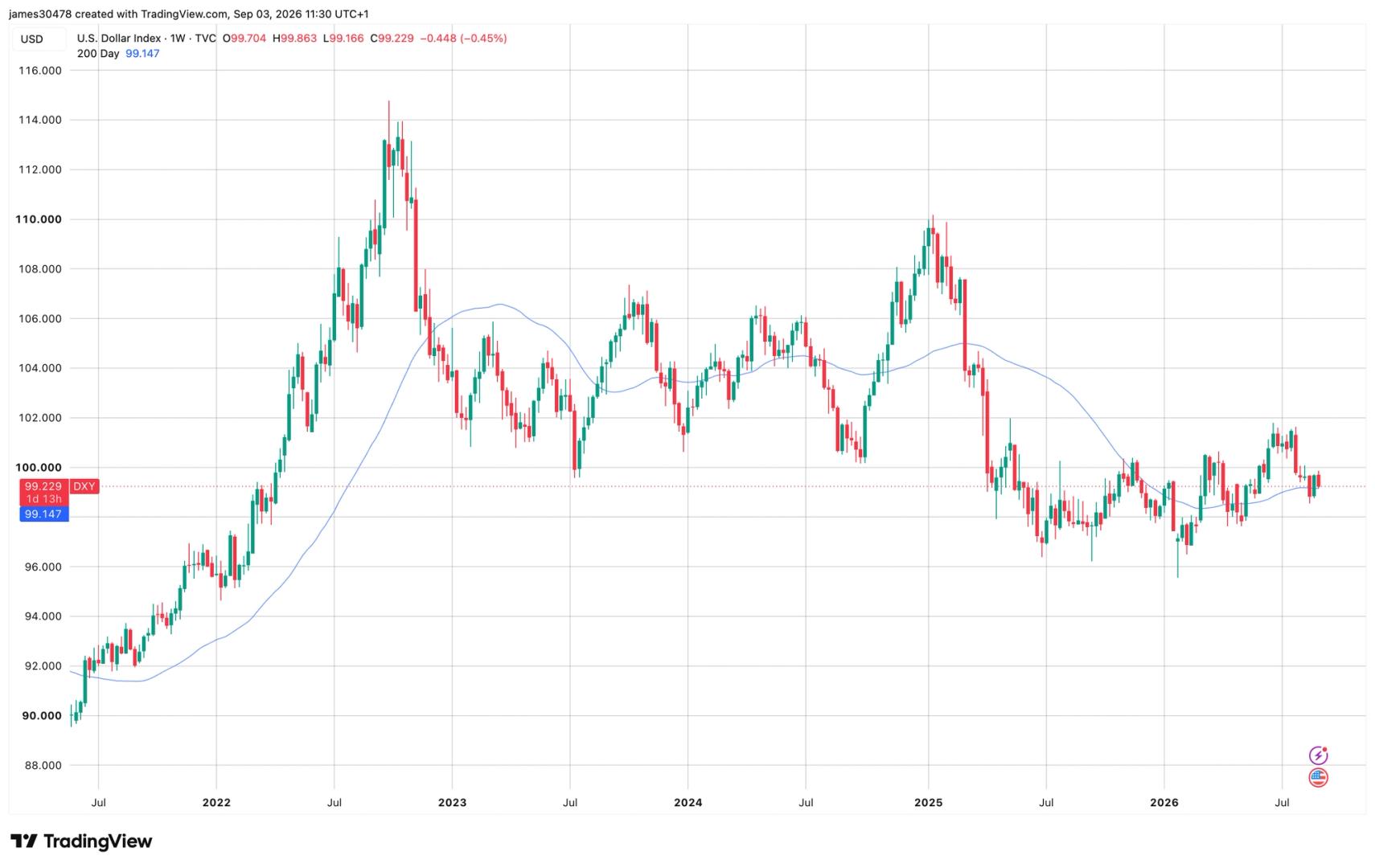
Against the U.S. dollar, it has barely moved, while the Japanese yen is ahead by 1.3%. Sterling is still beating several major currencies this year, even though that run is starting to cool right now.
Political events in Britain have not led to a meaningful sell-off in the pound. The resignation of Prime Minister Keir Starmer on July 20 paved way for the UK’s seventh prime minister in the span of 10 years. Labour acted quickly and got Andy Burnham to Downing Street.
Markets are interested in Andy’s fiscal plans, particularly whether the new government will continue to adhere to the “fiscal rules” as defined by Finance Minister Rachel Reeves.
The cost of borrowing for the British government has increased since Andy came into power, but bond yields have risen even in several other economies.
Oil and rising bond yields put fresh pressure on the sterling as markets shift toward higher rates
The UK’s economy grew 0.4% in the second quarter after expanding 0.6% in the first three months of the year. That meant that the U.K. was one of the fastest-growing developed countries during that period. Improved weather conditions, along with World Cup expenditure, boosted consumer demand. Companies were also operating amid all the geopolitics.
The pound got another boost when the Iran conflict started in April. Traders thought the Bank of England could respond more forcefully if higher energy costs pushed inflation up. That view supported U.K. rates and gave the currency extra support.
Now that picture is shifting as oil gets more expensive and yields rise elsewhere. U.S. stock futures were softer early Wednesday after Tuesday’s losses. Dow Jones Industrial Average futures fell 0.24% by 5:47 a.m. ET. S&P 500 futures were up less than 0.1%, while Nasdaq 100 futures dropped 0.14%.
Europe was mostly red too. The Stoxx 600 fell 0.69%, while Britain’s FTSE 100 dropped 0.32%. Germany’s DAX was down 0.68%, France’s CAC 40 lost 0.95%, and Italy’s FTSE MIB slid 1.27%.
Asia was more mixed. Japan’s Nikkei 225 closed 0.19% lower, while South Korea’s Kospi jumped 1.40%. Australia’s S&P/ASX 200 fell 0.11%, while mainland China’s CSI 300 finished 0.30% higher.
Oil drove much of the pressure. Brent crude futures rose more than 2% and moved above $100 a barrel for the first time since July. Tensions between the U.S. and Iran are getting worse, raising worries that energy supplies from the Middle East could face more disruption.
Crude had already climbed during Tuesday’s session and pulled U.S. stocks lower. Markets were shut Monday for Labor Day, so Tuesday was the first session of the shortened week. The Dow fell 1.2%, its worst day in almost three weeks. The S&P 500 lost 0.6%, while the Nasdaq Composite ended 0.3% lower.
Bonds added more pressure. The 10-year U.S. Treasury yield briefly moved above 4.8% on Tuesday as rising oil prices added to inflation worries. Higher yields then hit stocks again and added to the broader rate pressure now weighing on Sterling.
Don’t just read crypto news. Understand it. Subscribe to our newsletter. It's free.















 English (US)