
 2 weeks ago
9462
2 weeks ago
9462
.png)
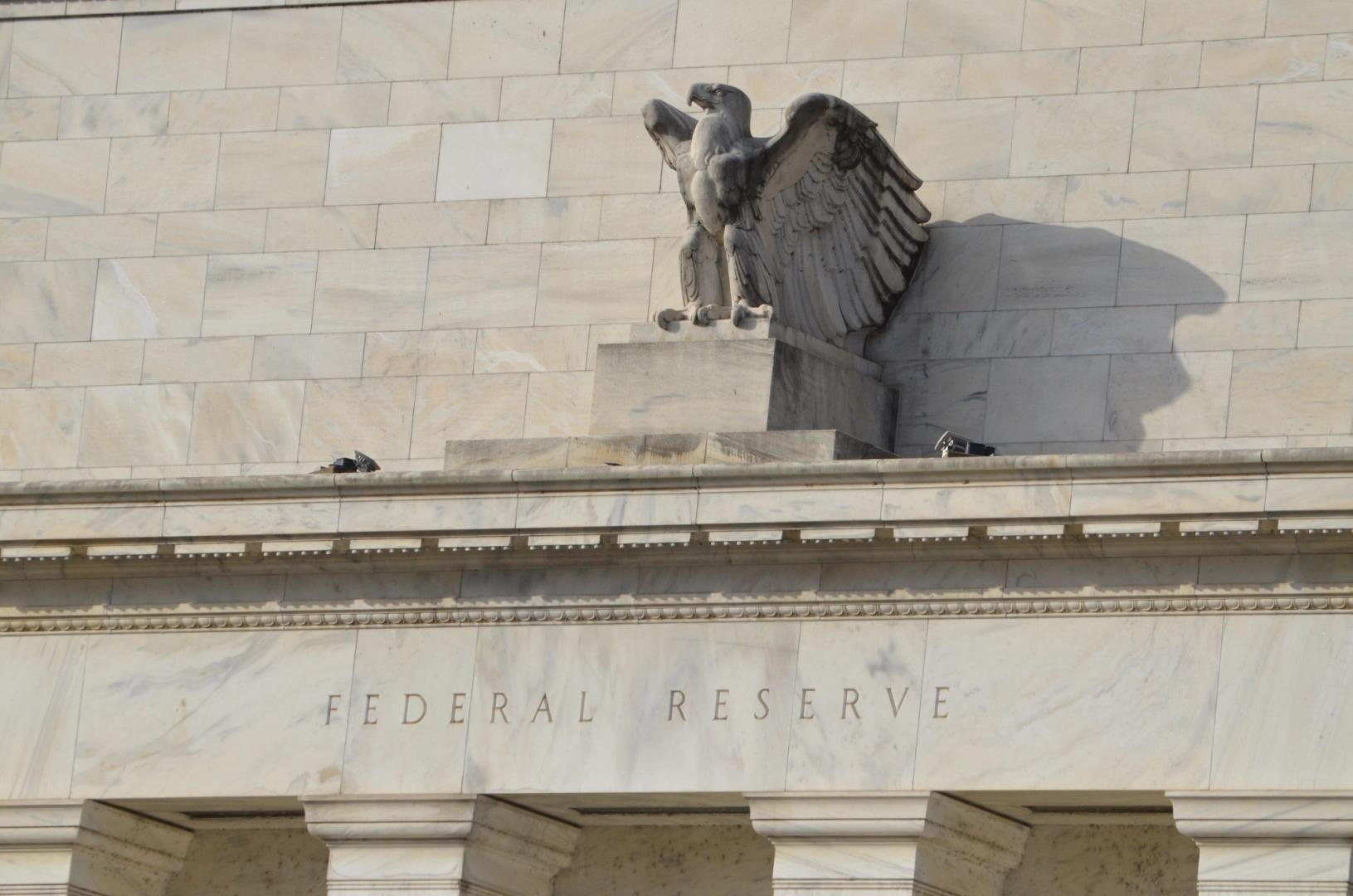
According to a report by the Wall Street Journal (WSJ) on Monday, the US Securities and Exchange Commission (SEC) wants investment companies to provide proof that their products actually contain the private stock they claim to offer.
In a private market dominated by popular AI companies like OpenAI and Anthropic—and where some forms of investment are traded in the form of blockchain tokens—the inquiry prompts the one question that investors are most concerned about: is the promised investment really there?
According to Reuters, which refers to the WSJ’s article, the SEC has asked registered investment advisers to prove that the special purpose vehicles (SPVs) under their jurisdiction actually have ownership and/or some exposure to the shares they promote. Reuters stated that it was unable to get any verification of the news from its side. The reported SEC inspection does not relate to any particular firm.
Why the SPV question hits AI hardest
SPVs gather funds from investors to take positions in various private companies making it possible for outside investors to invest in companies that are not available on the open market. In recent times, SPVs have appeared to be an attractive option for investing in the artificial intelligence boom.
The Cryptopolitan reported, in a report published on August 27 based on the pre-IPO valuations tab of DeFiLlama, that Anthropic and OpenAI topped the list of 182 companies with estimated valuations of $1.38 trillion and $900.29 billion respectively.
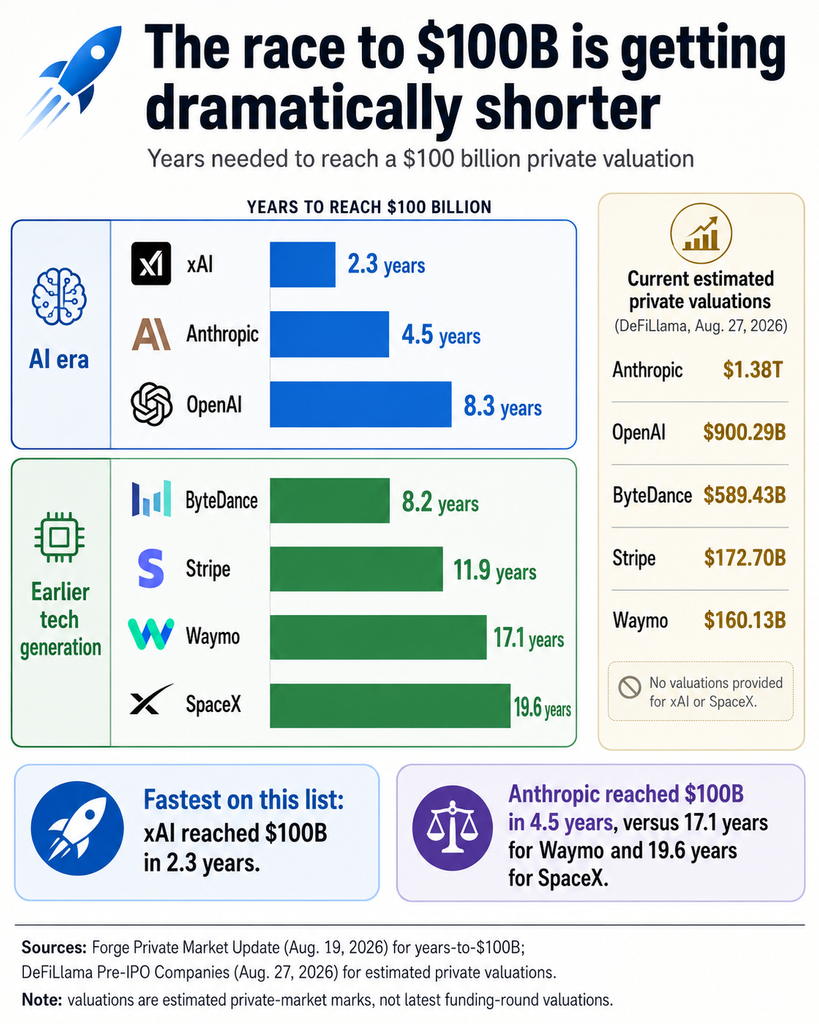 Source: Cryptopolitan, citing DeFiLlama’s pre-IPO tracker snapshot reported August 27, 2026. These are estimated private-market valuations, not official company funding valuations
The amounts involved are staggering. According to Stanford’s AI Index for 2026, private investments in AI around the world rose an astonishing 127.5% in 2025, reaching a total of $344.7 billion, which includes $170.9 billion for generative AI technologies. As capital continues to flood into private companies for years to come, the ability to prove what the investment is buying is becoming ever more critical.
The companies are already policing their own equity
OpenAI has already warned investors about unauthorized exposure. Its equity-transfer notice says the company is “aware of firms that market unauthorized opportunities to gain exposure to OpenAI,” including through direct equity sales, SPV interests, tokenized interests and forward contracts. OpenAI also warns that unauthorized transactions may leave investors with an interest that:
“will not be recognized and carry no economic value to you.”— OpenAI, Unauthorized OpenAI Equity Transactions
Anthropic has issued a similar warning, saying transfers involving its stock require board approval and that it does not permit SPVs to acquire Anthropic stock. In both cases, an SPV claiming access does not necessarily mean the underlying exposure is valid.
An enforcement case that shows the failure mode
The SEC has already brought a case showing what can go wrong. On August 10, 2026, it charged Adit Ventures Management, CEO Eric Munson and three affiliated general partners with allegedly defrauding investors over pre-IPO holdings including SpaceX and Klarna.
The SEC alleged Munson falsely told an investor that a fund owned shares in a private company it did not hold. The complaint also alleges defendants resold pre-IPO shares to client funds at higher prices, misrepresented costs, charged millions in unauthorized fees and pledged client assets to support a $10 million credit line.
“That misconduct has no place in investment advisory relationships where clients count on investment advisers being their fiduciaries.” — Corey A. Schuster, Chief of the SEC Enforcement Division’s Asset Management Unit
Without admitting the allegations, the defendants consented to judgments subject to court approval, including disgorgement, civil penalties and, for Munson, an associational bar with the right to seek reentry after three years.
Where crypto rails raise the stakes
The issue reaches crypto because private-company exposure is increasingly moving onchain. Cryptopolitan reported in April that OpenAI’s implied valuation crossed $1 trillion through onchain pre-IPO instruments backed 1:1 by SPV exposure on Jupiter.
Tokenization does not solve the ownership problem. It can instead spread the same underlying claim across more investors.
In a January 28, 2026 statement on tokenized securities, SEC divisions said moving a security onchain:
“does not affect application of the federal securities laws.”— SEC Divisions of Corporation Finance, Investment Management, and Trading and Markets
What matters next is whether the reported examinations become enforcement actions and whether products tied to major AI names are specifically targeted. For investors, the question is simpler: can the firm selling the exposure prove it owns what it says it owns?
If you're reading this, you’re already ahead. Stay there with our newsletter.









 English (US)