
 3 months ago
16901
3 months ago
16901
.png)
The S&P 500 hit another record on Tuesday, reaching 7,539.8 during the session and putting the index on pace for a nine-week winning run, its first since 2023. Tech did most of the heavy lifting because, of course, Wall Street went right back to worshiping chips after the long weekend.
The Nasdaq Composite also reached a new intraday record, while the Dow Jones Industrial Average went the other way. The S&P 500 was up 0.5%, the Nasdaq added 0.9%, and the Dow fell 216 points, or 0.4%. U.S. markets were shut on Monday for Memorial Day.
The Iran story stayed on traders’ screens. President Donald Trump said Monday that talks with Iran to end the war were “proceeding nicely.” Donald also said the U.S. could attack if the talks fall apart. Early Tuesday, the U.S. said it carried out “self-defense” strikes in southern Iran.
U.S. Central Command spokesman Tim Hawkins said the targets included missile launch sites and Iranian boats that were trying to place mines. Tim said the U.S. used “restraint during the ongoing ceasefire” between both countries.
The S&P 500 rose 0.9% last week, giving it the longest weekly winning streak since late 2023. The Dow added 2.1%, its third weekly gain in four weeks. The Nasdaq gained 0.5%, giving it seven winning weeks out of the last eight.
Tech stocks push the S&P 500 higher as memory chip names rip through the market
Micron Technology (MU) jumped 20% and crossed $1 trillion in market value after analysts turned more bullish on the stock.
UBS said Micron could rise more than 100% from here because of its long-term deals. The stock had a rough start last week when memory chip names sold off, but it still ended that week with a large gain.
“We believe the market will start to put a more ‘normal’ multiple on the stock and MU will continue to re-rate higher as more details emerge about the structural changes AI has driven to the entire memory complex,” said UBS.
Other memory stocks followed the same trade. Seagate Technology (STX) rose 5%, while Western Digital (WDC) climbed 8%. The Roundhill Memory ETF (DRAM) gained 15% and reached a new record.
Nvidia (NVDA) was also in the mix after Rothschild & Co Redburn raised its price target to $300 from $280. That target points to almost 40% upside from Friday’s close. Analyst Timm Schulze-Melander called Nvidia’s quarter “near-immaculate” in a Tuesday note.
“Datacentre revenues accelerated from an ARR of $250bn and 75% YoY growth (4Q) to an ARR of $300bn and 92% growth YoY (1Q),” Timm wrote. “Sales to hyperscale customers grew an impressive 115% YoY as capex spend shifts towards silicon from land and buildings in 2025.”
Timm said rivals would need to grow faster than Nvidia for a long time if they want to prove they are taking share. He also said Nvidia has earned investor trust through its earnings record. The chipmaker trades at just over 21 times forward earnings.
Meanwhile, Intel (who had missed the first big run of the AI rally) saw its stock rallying more than sixfold and is trading close to record highs last week. As the market reopened today, the U.S. chipmaker is trying to pull off a major comeback after getting a large investment from the U.S. government last summer. Qualcomm, Advanced Micro Devices, and Marvell Technology have also all made new all-time highs too.
After the U.S. strikes, West Texas Intermediate crude futures for July had pulled back from the day’s lows and traded 3% lower at $93 per barrel. Brent crude traded 3% higher at $99 per barrel.
Cheaper oil helped stocks last week. U.S. crude had its worst week since April 17.
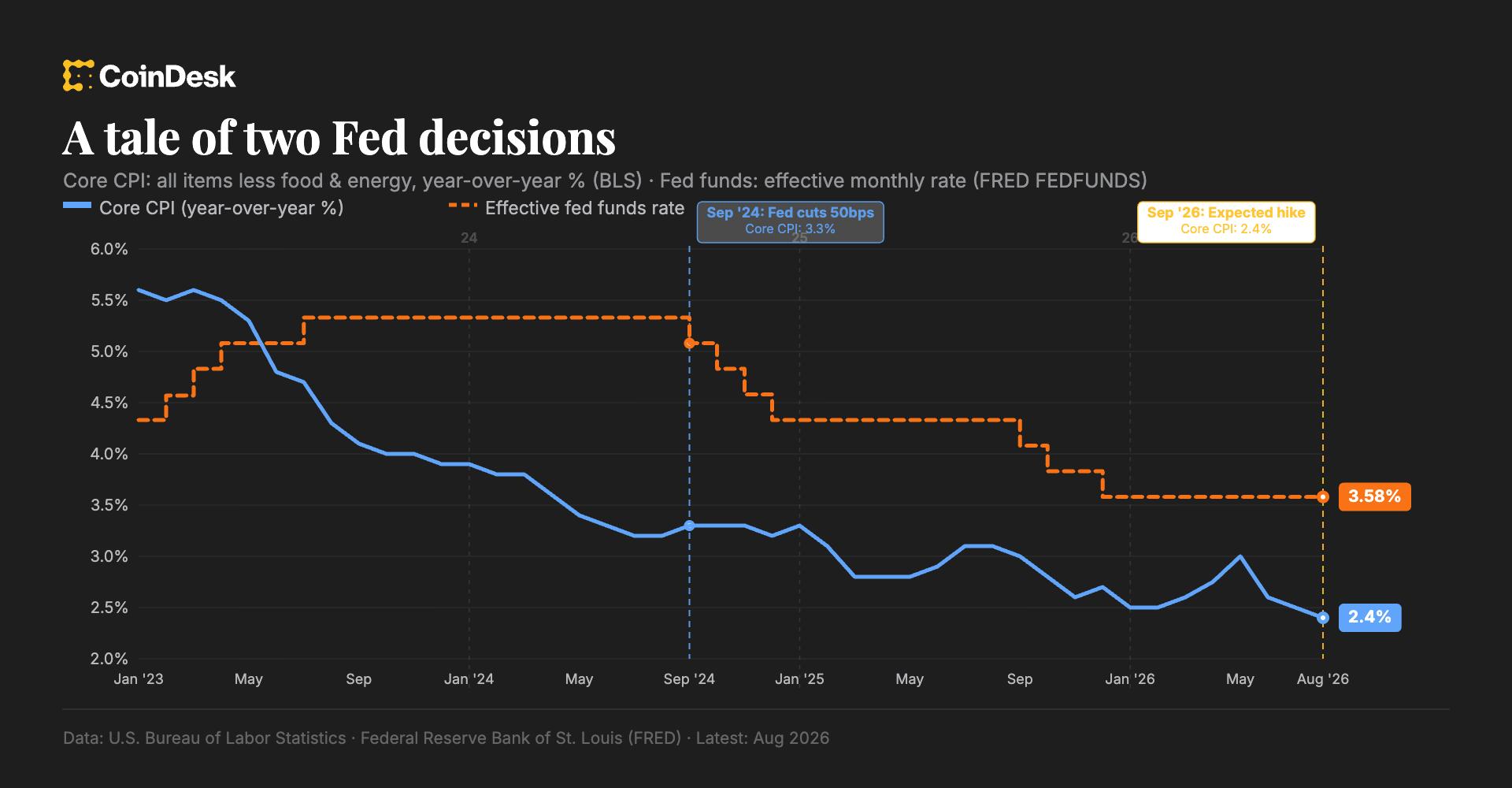
Oil is still far above where it stood earlier this year, and price pressure has not gone away. That has cooled bets on easier Federal Reserve policy. Traders now see about a 13% chance of a July rate hike, up from 0.9% one month ago, based on the CME FedWatch tool.
If you're reading this, you’re already ahead. Stay there with our newsletter.
















 English (US)