
 3 months ago
12129
3 months ago
12129

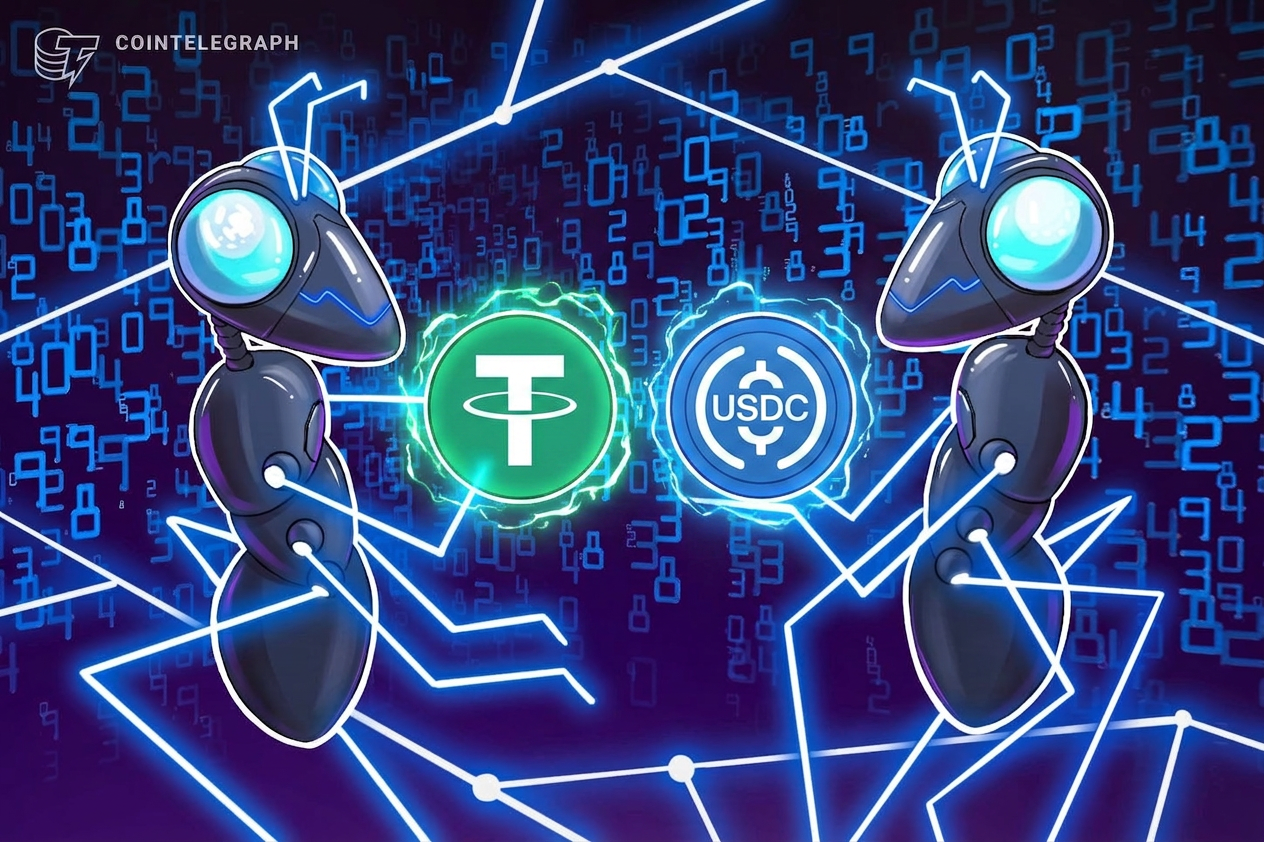
A coalition of Europe’s prominent banks has thrown its support behind Qivalis, a stablecoin venture focused on enhancing the euro’s digital stature. According to Qivalis CEO Jan-Oliver Sell, the euro must quickly integrate with modern financial technologies to avoid ceding financial dominance to the US dollar. Sell draws attention to the expanding influence of dollar-linked stablecoins such as Tether and USDC, as blockchain technology progressively underpins global finance.
What drives Qivalis and the banks’ support?
Qivalis seeks to address the euro’s diminishing presence in the digital domain by presenting a blockchain-compatible euro option that could contest dollar supremacy. Supported by a consortium of banks like ING, UniCredit, and BBVA, among others, Qivalis aims to fill a crucial void in Europe’s financial landscape. Its initial objective is to introduce a euro stablecoin in line with the Markets in Crypto-Assets Regulation (MiCA), setting a standard for transparency and regulatory compliance in the fast-paced stablecoin environment.
Currently, Qivalis is in the final stages of obtaining regulatory permissions from the Dutch Central Bank. Should everything proceed as planned, the stablecoin is projected to launch in the latter part of the year. Sell emphasizes that Qivalis aims to be a pivotal bridge between blockchain technology and traditional European finance, not merely a digital counterpart of the euro.
How does the ECB’s digital euro fit in the competition?
The European Central Bank is advancing its own digital currency initiative, the digital euro, which is expected to debut no earlier than 2029. Qivalis, in contrast, targets introducing a regulated euro stablecoin on public blockchains, thereby providing a market-driven answer to the digital currency competition.
“We don’t view this as a competition, but as a complementary step that strengthens Europe’s financial infrastructure,” Sell explained, describing the relationship between Qivalis and the forthcoming digital euro.
Previous attempts at euro stablecoins floundered due to disjointed efforts and liquidity constraints. Sell believes coordinated actions among major financial entities can encourage expansive use and enhance liquidity, overcoming earlier obstacles.

Market insights from Jeffries suggest the stablecoin market could flourish to between $800 billion and $1.15 trillion over the next five years. Qivalis intends to comply with comprehensive European regulations, offering a euro token with substantial liquidity during this growth phase.
Euro-denominated stablecoins might reduce currency risk for European enterprises and consumers, currently exposed to exchange rate fluctuations in dollar-pegged transactions, Sell further emphasizes.
Qivalis not only aims to push technological boundaries but also safeguards Europe’s digital sovereignty, ensuring the euro remains pertinent amid the forefront of financial advancement.
Disclaimer: The information contained in this article does not constitute investment advice. Investors should be aware that cryptocurrencies carry high volatility and therefore risk, and should conduct their own research.














 English (US)