
 1 month ago
11336
1 month ago
11336
.png)
Ripple has taken a proactive stance in the evolving landscape of U.S. financial regulations, amassing over 50 money transmitter licenses—well beyond the requirements proposed by the Payment Access to Cryptocurrency Entities (PACE) Act. This strategic preparation positions Ripple favorably as new regulatory standards are debated and developed.
What is the PACE Act?
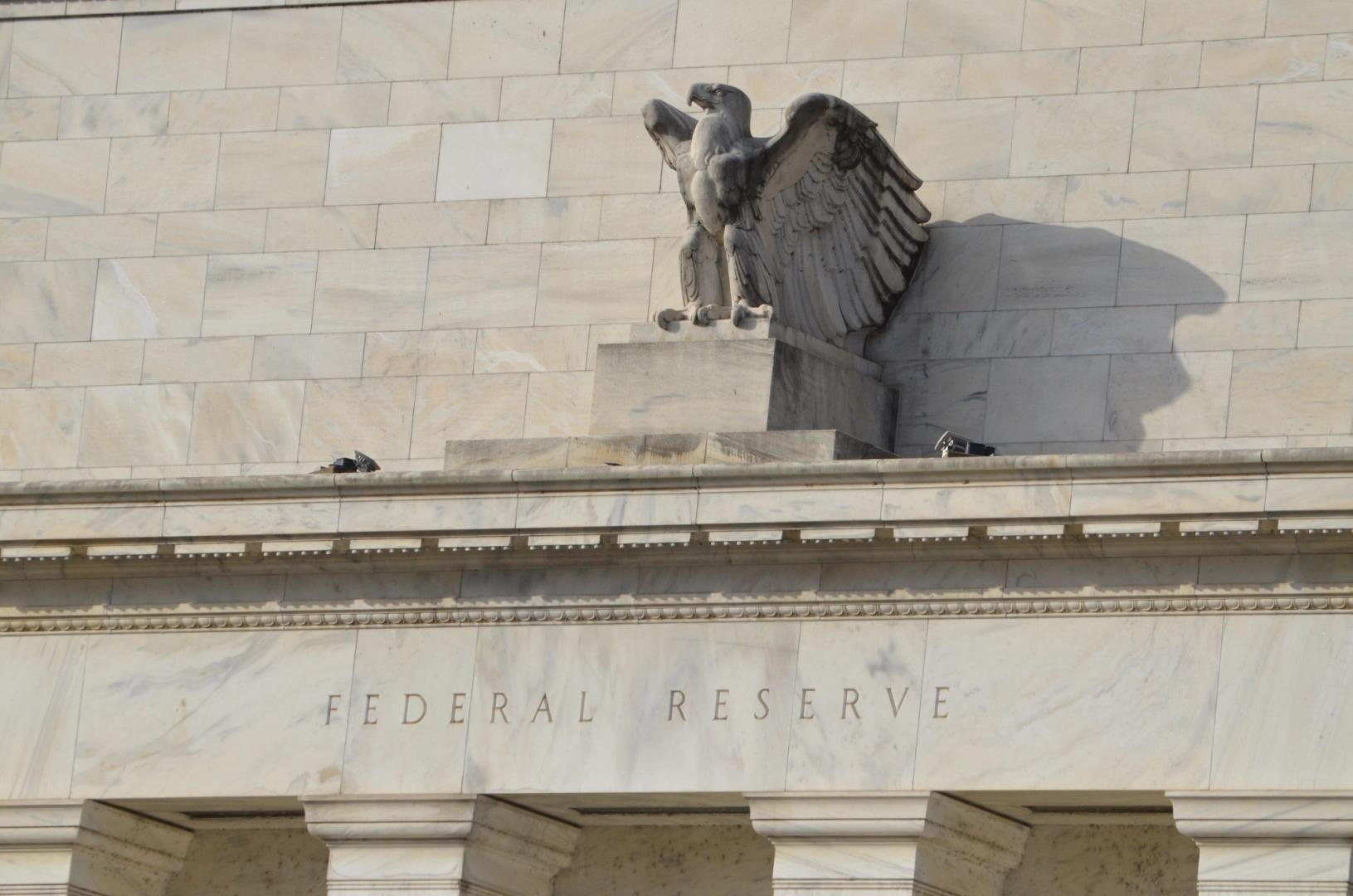
The PACE Act seeks to create a comprehensive framework for cryptocurrency firms wanting direct access to Federal Reserve systems such as Fedwire and FedNow. Its prerequisites include acquiring money transmitter licenses in a minimum of 40 states, complying with the Bank Secrecy Act, and registering with the Office of the Comptroller of the Currency (OCC) as a “covered provider”. Ripple not only meets but exceeds these benchmarks, with licenses in more than 50 states, including the stringent New York BitLicense.
How Can Ripple’s Network Ensure Seamless Integration?
Ripple’s adoption of ISO 20022, a global messaging standard for financial transactions, facilitates this potential seamless integration with federal payment systems. Such technical alignment with FedNow’s architecture promises reduced friction in interoperability and enhanced efficiency in executing real-time transactions. This synergy positions Ripple as an optimal candidate for integration into high-speed federal networks.
Traditional banking infrastructures often lag due to outdated data formats and batch processing, but Ripple’s blockchain, natively designed on ISO 20022, offers a robust alternative. It eliminates data bottlenecks, ensuring timely and rich data exchange across financial systems.
Is Ripple Ready for Instant Payments?
Ripple’s XRP Ledger is built for rapid transactions, settling payments in milliseconds—a stark advantage that aligns with the speed objectives of FedNow. This capability underscores Ripple’s readiness to integrate with federal payment rails and meet the demands of modern financial systems.
- Ripple exceeds the PACE Act’s license requirements with over 50 state licenses.
- Utilizes ISO 20022 for seamless data exchange with Federal Reserve systems.
- Capable of millisecond-level transaction settlements, aligning with FedNow needs.
The future of the PACE Act is yet to be determined in Congress, but Ripple’s forward-thinking strategy ensures that it is well-positioned to thrive under potential new regulations. The company’s extensive preparedness and technological adaptations present a significant operational advantage should the legislation pass, paving the way for direct connectivity with Federal Reserve systems.


















 English (US)