
 3 months ago
12794
3 months ago
12794
.png)
RippleX Senior Vice President Markus Infanger recently outlined a novel trajectory for Ripple‘s long-term vision. Contrary to the notion of upending traditional financial systems, Ripple aims to enhance and modernize these networks through strategic alliances and advanced technological integrations. Infanger highlighted a vision where existing financial mechanisms are not dismantled but rather strengthened.
How Does Ripple Aim to Achieve This?
The company’s strategy underscores the potential of blockchain technology to complement, rather than destabilize, the financial landscape. Recognizing that it is impractical to dismantle prevailing banking and payment frameworks in the short term, Ripple focuses on enhancing these systems’ efficiency and speed. Interoperability and compliance form the cornerstone of this strategy, aiming to keep current infrastructures intact while optimizing them.
For years, Ripple has collaborated closely with banks, payment networks, and financial institutions. This collaborative approach allows Ripple to address the vulnerabilities in traditional models while ensuring regulatory compliance.
During the panel, Markus Infanger elucidated Ripple’s approach, stating, “We’re here not to break modern finance, but to improve it. Our goal is to make existing systems faster, more efficient, and interoperable using blockchain-based solutions.”
Is Tokenization the Key to Ripple’s Vision?
Ripple prioritizes tokenization as a key pillar of its strategy. This process involves digitally representing real-world assets, currencies, and commodities on blockchain platforms. Tokenization can potentially streamline financial transactions, eliminate unnecessary intermediaries, and expedite cross-border payments.
Ripple’s blockchain solutions are designed to integrate seamlessly with existing banking infrastructures. They minimize transaction times and costs, allowing financial institutions to adopt cutting-edge technology without replacing their existing systems entirely.

What Role Does Blockchain Play in Interoperability?
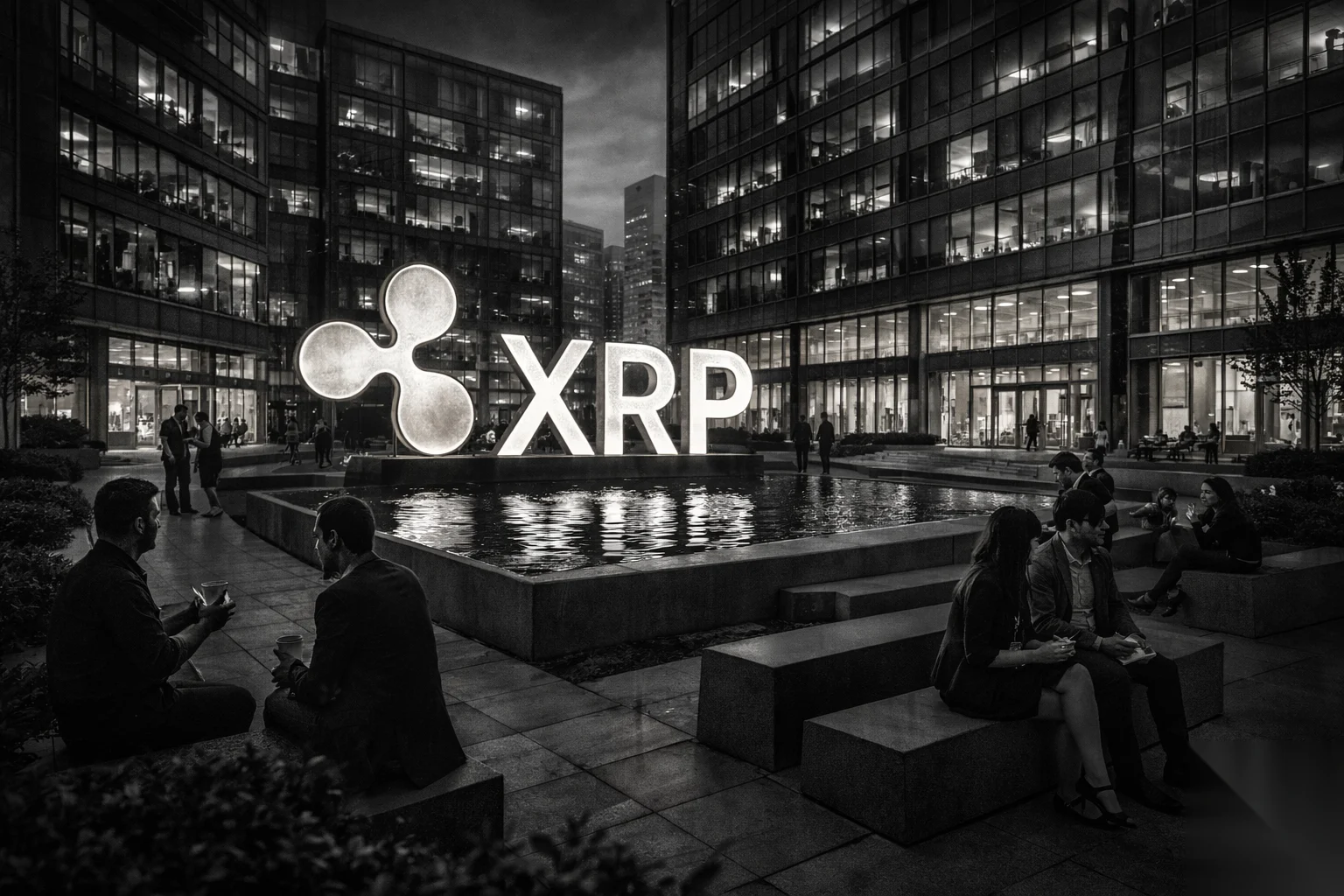
Interoperability is another pivotal aspect. Although the financial world still depends on systems like SWIFT and correspondent banking for global transactions, Ripple positions blockchain as a unifying layer that connects these disparate systems. Ripple’s cryptocurrency, XRP, is instrumental in facilitating efficient, cost-effective global transactions between different currencies and networks.
- Ripple & XRP can complete transactions in seconds to minutes, compared to several days with SWIFT.
- It reduces intermediary requirements from 2 or more to just 1 or even none.
- Both methods maintain high compliance standards, ensuring regulatory adherence.
Infanger’s insights signal a broader industry trend, where blockchain tech is seen not as a challenger, but as an enhancement to current financial frameworks. This represents a departure from earlier conceptions that placed blockchain and traditional finance at odds.
What Awaits Ripple in the Financial Landscape?
Looking forward, a symbiotic approach involving tokenized assets and interoperable networks alongside traditional systems seems likely. This fusion promises to foster a more rapid, interconnected financial infrastructure globally. Ripple’s strategy, marked by its inclusion in Fortune’s top 15 Web3 companies in 2026, continues to attract interest from institutional players, underscoring its growing influence in modern finance.
Disclaimer: The information contained in this article does not constitute investment advice. Investors should be aware that cryptocurrencies carry high volatility and therefore risk, and should conduct their own research.










 English (US)