
 3 months ago
7895
3 months ago
7895

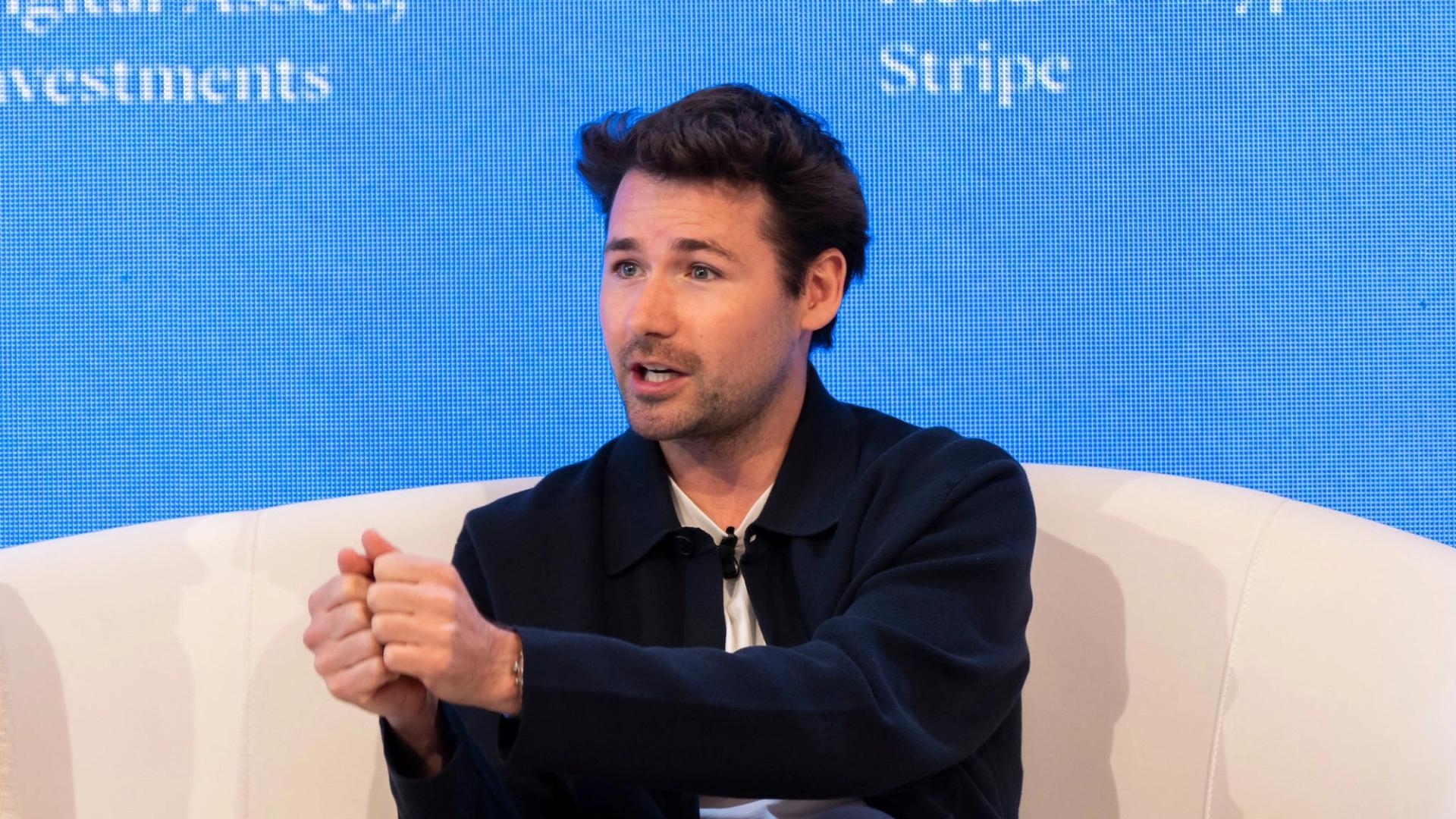
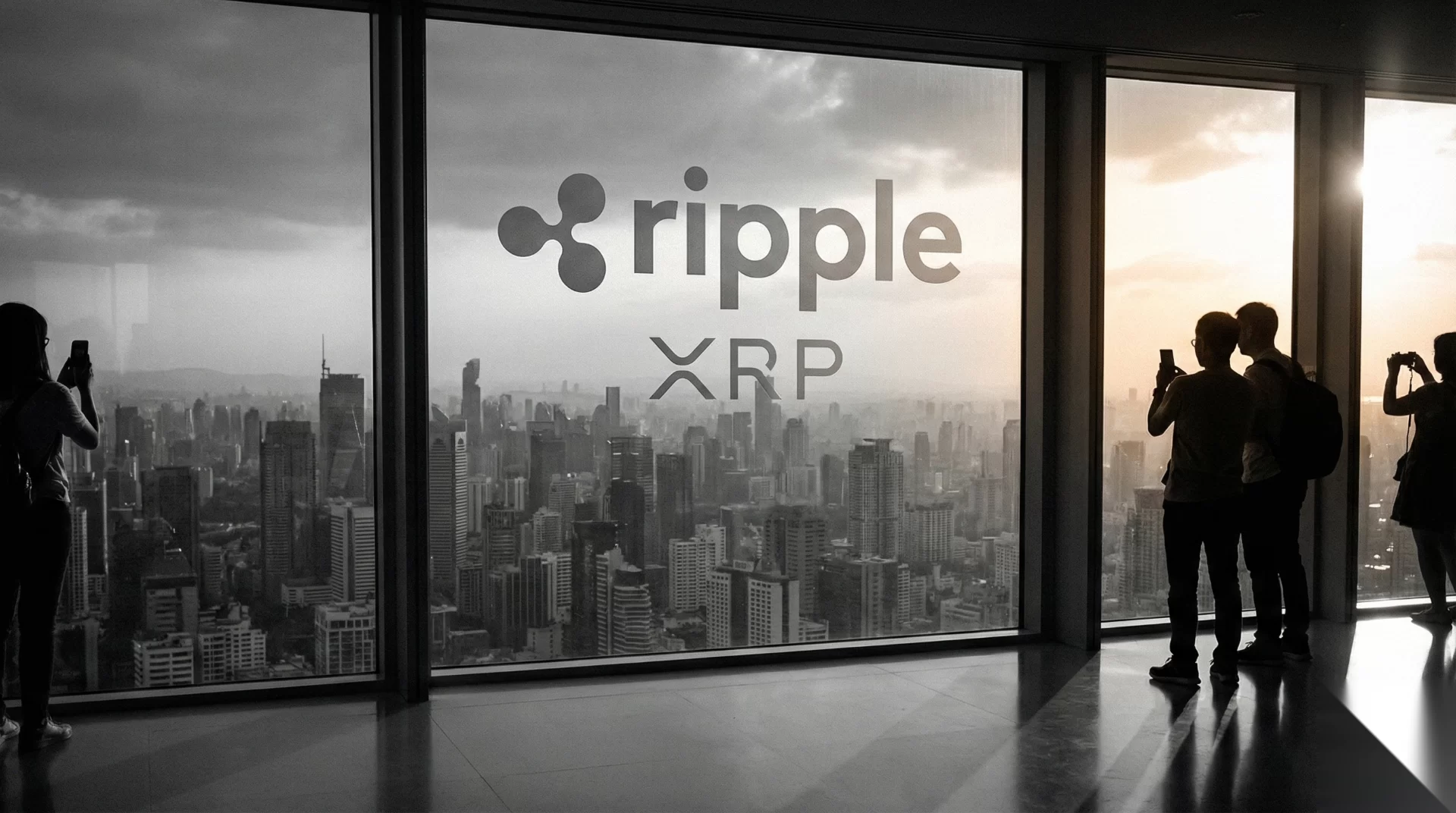
Franklin Templeton’s Roger Bayston recently unveiled Ripple‘s strategic decision to channel its reserved XRP funds towards the construction of robust financial infrastructure. This development signifies a noteworthy transition from XRP’s previous focus on trading activities and speculation. Bayston, sharing insights on a podcast, pointed out that Ripple’s vision now encompasses constructing a comprehensive financial platform. This strategic repurposing is aimed at fulfilling evolving institutional needs and bolstering XRP’s ecosystem, moving far beyond mere transactional operations.
What is the Purpose of XRP Reallocation?
Franklin Templeton, a stalwart in investment management since 1947 with assets exceeding $1.6 trillion, has always been at the forefront of blockchain applications. Bayston disclosed Ripple’s allocation of a substantial $3 billion to advancing services like custody and brokerage, all financed through XRP’s capital. This positions Ripple strategically to accommodate shifting institutional demands while strengthening the infrastructure that supports the entire XRP network.
Bayston highlighted this reallocation strategy as forward-thinking. Previously accumulated funds during market upswings are now intended to offer crucial services for substantial financial entities. The ultimate success of XRP’s adoption largely hinges on the practical implementation and acceptance of these infrastructural enhancements.
Will a Multi-Chain Approach Define the Future?
Franklin Templeton stands out for its decision against building a proprietary blockchain. Instead, a multi-chain approach conducive to interoperability is favored, which contrasts with the more siloed networks of companies like Coinbase. This open architecture embraces a diverse blockchain environment, improving utility and accessibility.
Bayston described the advancements in institutional crypto involvement, noting the swift evolution of market structures. Platforms merging diverse capabilities—such as custody and trading—are forming extensive digital ecosystems. He mentioned Binance and Kraken as prime examples that function as broad distribution avenues for digital assets.

On asset tokenization, Franklin Templeton maintains a leading role, already involved in tokenized money market funds and preparing to venture into tokenized real estate and commodities. This expansion could leverage networks, including the XRP Ledger, for seamless settlement and liquidity operations.
Bayston highlighted: Ripple’s current use of its XRP capital base is dedicated to building financial infrastructure, broadening business applications, and supporting the evolution of blockchain networks.
The strategic redirection of XRP assets by Ripple underscores their commitment to fostering a vibrant, multifunctional financial infrastructure. By strategically investing in advanced services and leveraging XRP capital, Ripple aims to enhance its ecosystem, catering to broader institutional needs and setting a precedent for industry innovation.
Disclaimer: The information contained in this article does not constitute investment advice. Investors should be aware that cryptocurrencies carry high volatility and therefore risk, and should conduct their own research.












 English (US)