
 2 months ago
6981
2 months ago
6981

G7 Finance Ministers and Central Bank governors meet in Paris this Monday to discuss the economic fallout from the Iran War. Discussions are set to take place over the next two days, focused on trade, public debt, bond market volatility, critical minerals, energy, and more.
The fallout from the Iran War has sent shockwaves across the global economy since it began in late February. There have been many attempts by world leaders to quell the tensions and bring some semblance of stability back to the global economy to little avail. This new round of discussions from G7 finance chiefs in Paris is the latest of these efforts.
A number of different issues are reportedly being brought to the table, including trade imbalances, public debt sustainability, energy security, critical mineral supply chains, inflation, and more. European officials are pushing to achieve energy independence as the Strait of Hormuz disruptions continue to affect global oil supply. U.S. officials are reportedly pushing allies to tighten sanctions enforcement against Iran.
The broader theme of the meeting is essentially to prevent inflation from spiraling and prevent a broader economic slowdown as a result of the current conflict. That said, one of the biggest concerns hanging over the meeting is the impact that the war has had on bond markets.
The looming bond market crisis
Bond markets around the world have experienced increased volatility since the start of the Iran War. Rising energy prices, supply chain disruptions, and military spending have triggered widespread fears among investors that inflation could remain elevated longer than expected. The problem is that when inflation expectations rise, bond yields generally rise as well due to investors demanding higher returns.
G7 countries are already carrying historically high levels of sovereign debt, and higher bond yields would increase the burden of servicing them. Japan is particularly sensitive to this scenario, as it currently maintains one of the world’s highest sovereign debt loads.
However, rising yields are not solely a government issue. Higher borrowing costs create a ripple effect throughout the entire economy, impacting consumers in a dramatic way as inflation drives prices upward. G7 finance officials are trying to contain a scenario where geopolitical instability triggers a broad economic and sovereign debt crisis.
Critical minerals and China
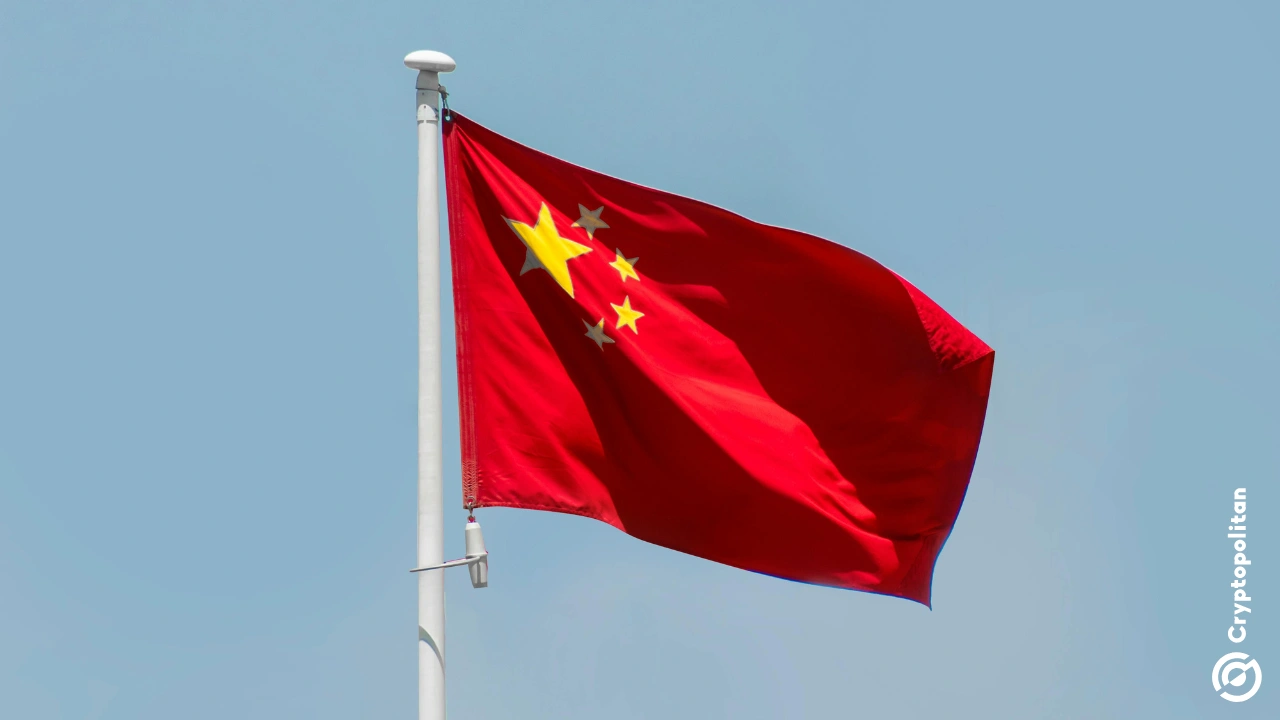
Beyond bond markets and energy vulnerabilities, another key focus for this G7 meeting revolves around critical mineral supply chains. These rare earth materials are essential components for technology like semiconductors, AI infrastructure, and electric vehicles. As of today, China largely dominates the critical mineral processing industry, presenting a unique vulnerability to Western nations with opposing political views. G7 officials are reportedly working on ways to reduce these vulnerabilities ahead of any potential future conflicts that could result in greater supply chain shocks.
The current solution appears to be diversifying away from Chinese dependence and towards new partnerships with countries like India and certain African nations. This has already begun to take shape with France and India’s new strategic alliance which notably resulted in expanded cooperations around critical minerals.
If you're reading this, you’re already ahead. Stay there with our newsletter.
















 English (US)