
 3 months ago
10571
3 months ago
10571
.png)
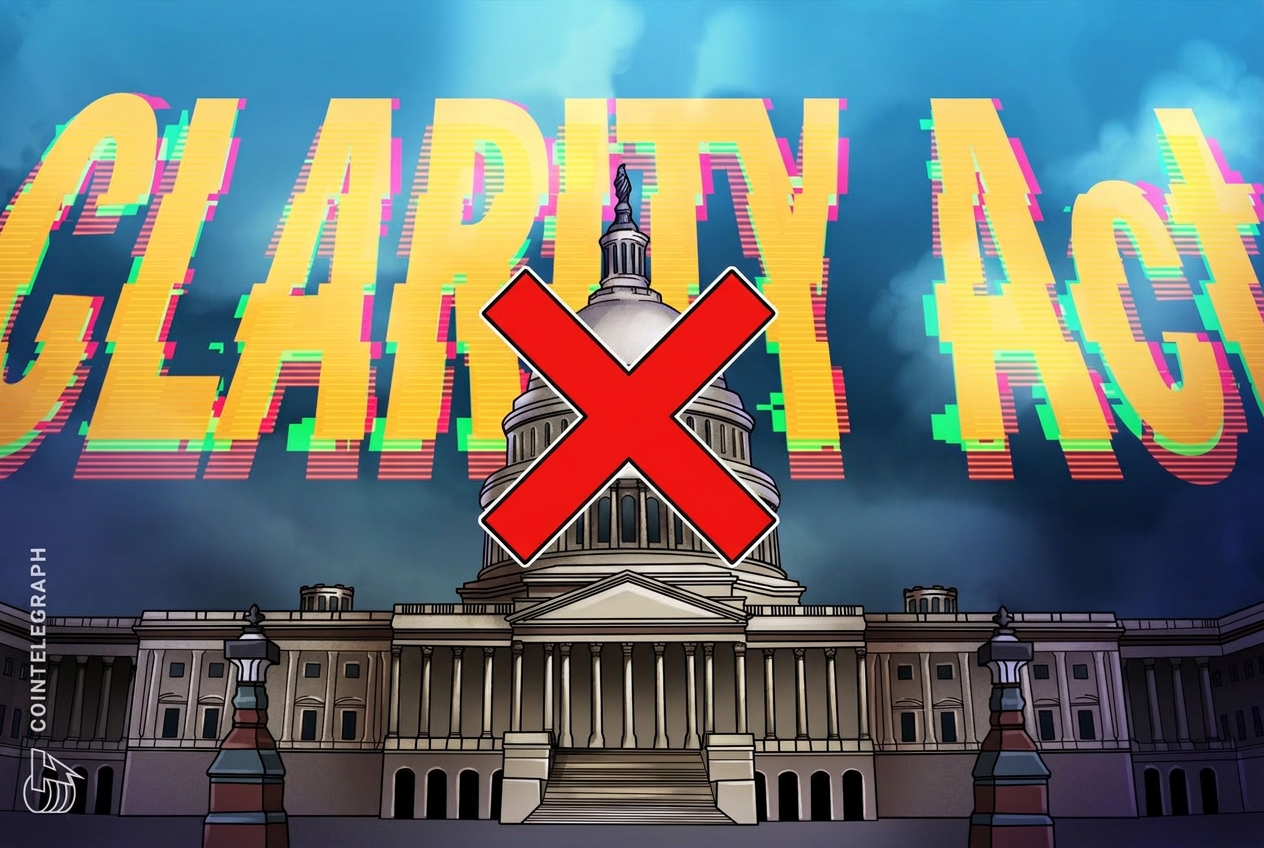
A coalition of more than 200 digital asset companies and advocacy groups has written an open letter to the leaders of the US Senate, urging them to schedule a floor vote on the CLARITY Act, the crypto market structure bill, before the upcoming August recess.
Stand With Crypto organized the joint letter, which was dated June 7, alongside the Blockchain Association, the Crypto Council for Innovation, and The Digital Chamber. Signatories include Coinbase, Ripple, Kraken, Circle, Binance US, and Andreessen Horowitz.
The letter was addressed to Senate Majority Leader John Thune and Democratic Leader Chuck Schumer.
The coalition wrote that the CLARITY Act “gives Congress the opportunity to keep innovation, jobs, investment, and market activity here at home while strengthening America’s role as the global leader in digital asset innovation.”
What is the White House stance on the CLARITY bill?
Patrick Witt, executive director of the President’s Council of Advisors for Digital Assets, highlighted the level of progress so far for the CLARITY Act with regards to this week while noting the urgency with which things have to move.
He wrote on X, “The work has continued in earnest behind the scenes since the Banking markup. The issue set has narrowed, and good faith offers are being put forward to close the gap. But time is of the essence.”
Treasury Secretary Scott Bessent has in the past called on Congress to move digital asset legislation forward this summer, adding executive-branch weight to the industry push.
Senator Cynthia Lummis, a Republican from Wyoming who has championed crypto regulation for years, wrote on X on June 6, “The Clarity Act is the most consequential financial legislation of this generation and we are going to get it done.”
What will the bill do?
The CLARITY Act aims to settle a long-running jurisdictional dispute over digital assets by defining the regulatory oversight of the Commodity Futures Trading Commission (CFTC) and the Securities and Exchange Commission (SEC). The CFTC is expected to have more oversight, but the SEC also has a role to play as well.
Also, the legislation would create registration pathways for market participants and spell out legal protections for software developers, according to the coalition letter.
The Senate Banking Committee approved the bill 15-9 on May 14, Cryptopolitan previously reported. It still needs 60 votes on the Senate floor.
How did the banks react to the bill?
Not everyone is cheering the bill forward, with JPMorgan Chase CEO Jamie Dimon taking aim at Coinbase CEO Brian Armstrong recently in an interview, calling him “full of sh*t” over disagreements about the legislation.
Dimon does not support the provisions in the bill that would let crypto firms offer deposit-like rewards without the consumer protections banks must follow. He also raised concerns about what he views as weak anti-money-laundering and know-your-customer requirements.
Armstrong responded by telling Politico he was “perplexed” by the attack, adding that the bill would ultimately be “good for the banks.”
Coinbase chief policy officer Faryar Shirzad said in a statement to CNN that “at the end of the day, we all share the same goal: improving the financial lives of Americans.”
Hilary Allen, a law professor at American University who specializes in banking and crypto regulation, told reporters that the bill carries systemic risk. She said, “If we get a financial crisis in this space, no one comes out of that unscathed.”
How soon will the Senate pass the bill?
The Senate has four working weeks in June and three in July before an August 10 recess.
However, the CLARITY Act will also have to compete for floor time with other legislative businesses, which include but are not limited to a budget reconciliation package, FISA reauthorization, and housing legislation.
Galaxy Research head Alex Thorn previously placed a 75% probability on the bill becoming law in 2026; however, he warned that substantive legislation rarely advances during a midterm election cycle.
Lummis has cautioned that missing the pre-recess window could delay comprehensive crypto market-structure rules until as late as 2030.
On the prediction market platform, Polymarket, the odds of the CLARITY Act being signed into law this year sit around 54% as of late May, down from a peak of 74% earlier in the month, per Cryptopolitan.
What to watch
Senate leadership has not announced a floor date. With more than 200 organizations now on record supporting the bill and White House advisers publicly pushing for a vote, the next few weeks will determine whether the most significant piece of US crypto legislation advances or stalls in a crowded summer calendar.
If you're reading this, you’re already ahead. Stay there with our newsletter.

![Ripple [XRP] News Roundup: $2 Billion Whale Buy Meets a Make-Or-Break Resistance Wall](https://image.coinpedia.org/wp-content/uploads/2026/07/24163919/XRP-Price-Analysis-and-News-ETFs-RLUSD-and-Supply-Full-Bull-and-Bear-Case-Explained-1-1024x536.webp)















 English (US)