
 1 month ago
13669
1 month ago
13669
.png)
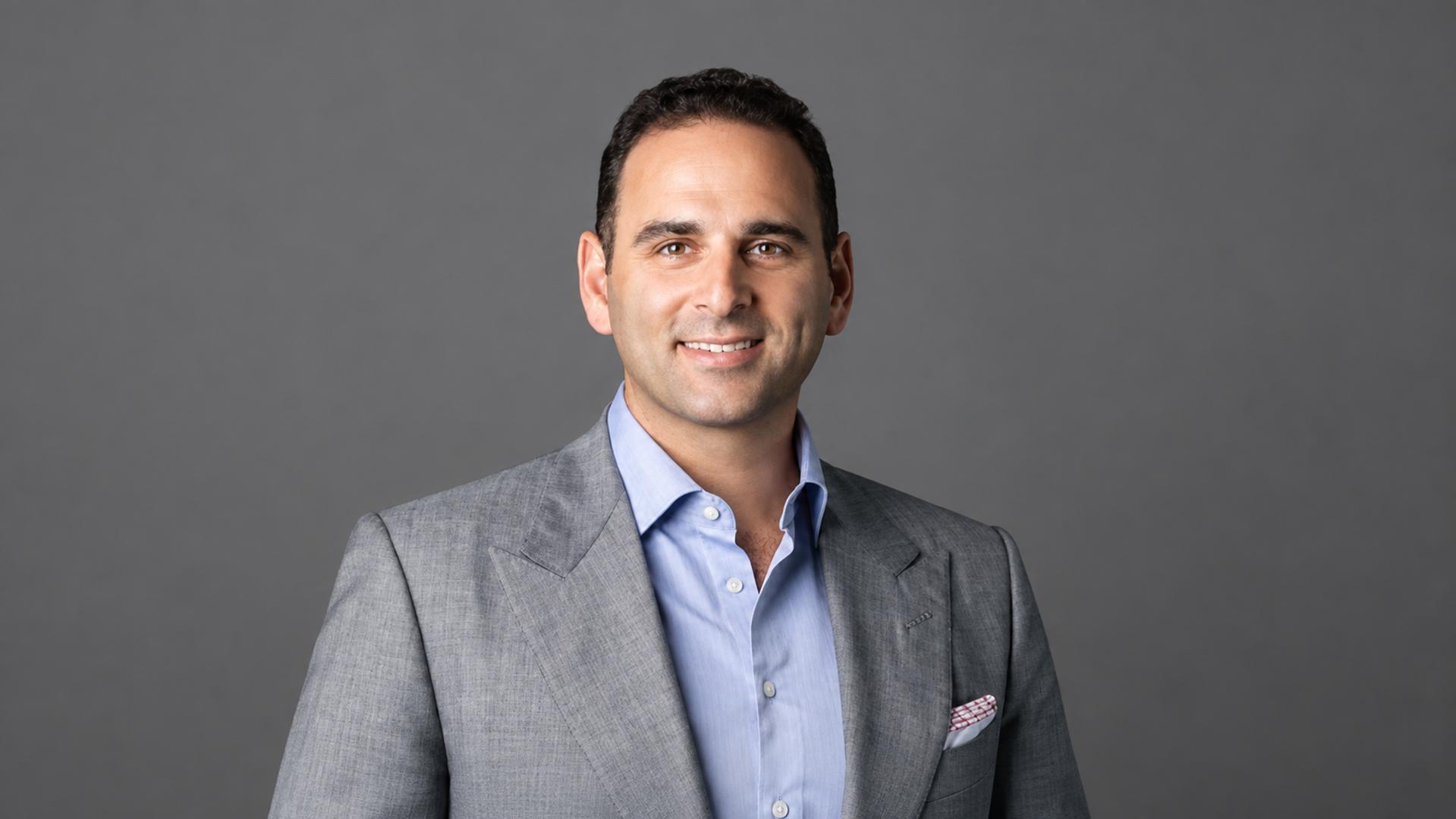
Nvidia (NASDAQ: NVDA) CEO Jensen Huang has used his first post on X to support an open letter urging Washington to keep open-weight AI models available.
The letter pushes back against the Trump administration’s intentions to restrict open source models. These models perform on par with U.S. models while being offered at a lower price.
When did Nvidia’s CEO join X?
Jensen Huang, who runs Nvidia, the most valuable chipmaker in the AI boom, chose to use a policy argument for his July 24 introduction to X (formerly Twitter).
He shared a letter signed by Nvidia (NASDAQ: NVDA), Microsoft (NASDAQ: MSFT), Dell (NASDAQ: DELL), and Palantir (NASDAQ: PLTR) that explains the importance of access to open source models. Huang stated that these models accelerate innovation, strengthen safety and cybersecurity, and enable sovereignty.
The letter places Huang on the opposite side of Anthropic and some officials inside the administration who want tighter limits on Chinese labs.
Huang has also separately referred to Chinese open-source systems as “excellent” and said American firms should be free to use them.
The letter frames this issue as one of competitiveness and references the open-source software movement of the 1980s. Microsoft, which is one of the signatories of the letter, made a similar case, arguing that U.S. leadership won’t be measured by a single cutting-edge AI model, but by whether the country builds an open, strong ecosystem that reaches every industry.
Investors like venture capitalist Bill Gurley, who circulated the letter, share the same view. “Open models are the competitive edge,” Gurley wrote on X.
“If the U.S. doesn’t lead in open, it won’t lead at all.” Andreessen Horowitz’s co-founder Ben Horowitz said. He added that preserving access to open-weight models is what keeps the benefits of AI from concentrating in a handful of companies.
The signatories acknowledge that released weights carry real risks, since they cannot be recalled once public, and their answer to that problem is targeted safeguards for demonstrated harms rather than a broad prohibition.
Will the U.S. ban Kimi K3?
Cryptopolitan reported on July 20 that the Trump administration was considering placing restrictions on advanced Chinese open-source models after the Beijing-based startup Moonshot AI launched Kimi K3, a system its developers said matched top U.S. models and is offered at a far lower price.
The Director of the White House Office of Science and Technology Policy, Michael Kratsios, accused Moonshot of building Kimi K3 by distilling Anthropic’s Fable model at an industrial scale, and of acquiring servers fitted with Nvidia’s export-banned GB300 chips through Thailand.
Treasury Secretary Scott Bessent said companies found to have stolen U.S. intellectual property could face sanctions and Entity List designations, writing on X that “open source is not open season on American IP.”
Moonshot has not addressed the allegations.
Will the ban affect smaller companies?
The newly formed Little Tech Association, representing nearly 200 startups including Y Combinator and the encrypted email service Proton, sent letters on Wednesday to President Donald Trump, Commerce Secretary Howard Lutnick, and Kratsios.
The letters explain that shutting American developers off from foreign models would “stifle competition, entrench incumbents, and function as a tax on intelligence.”
Suhail Doshi, the founder of AI infrastructure startup Particle, explained that the restriction of open source models will lead to the death of hundreds of companies.
“It’s great for Anthropic. We’re all going to have to spend money on Anthropic,” he said.
Little Tech executive director Harry Godfrey urged policymakers to use “a scalpel rather than a sledgehammer.”
If you're reading this, you’re already ahead. Stay there with our newsletter.








 English (US)