
 1 month ago
10764
1 month ago
10764
.png)
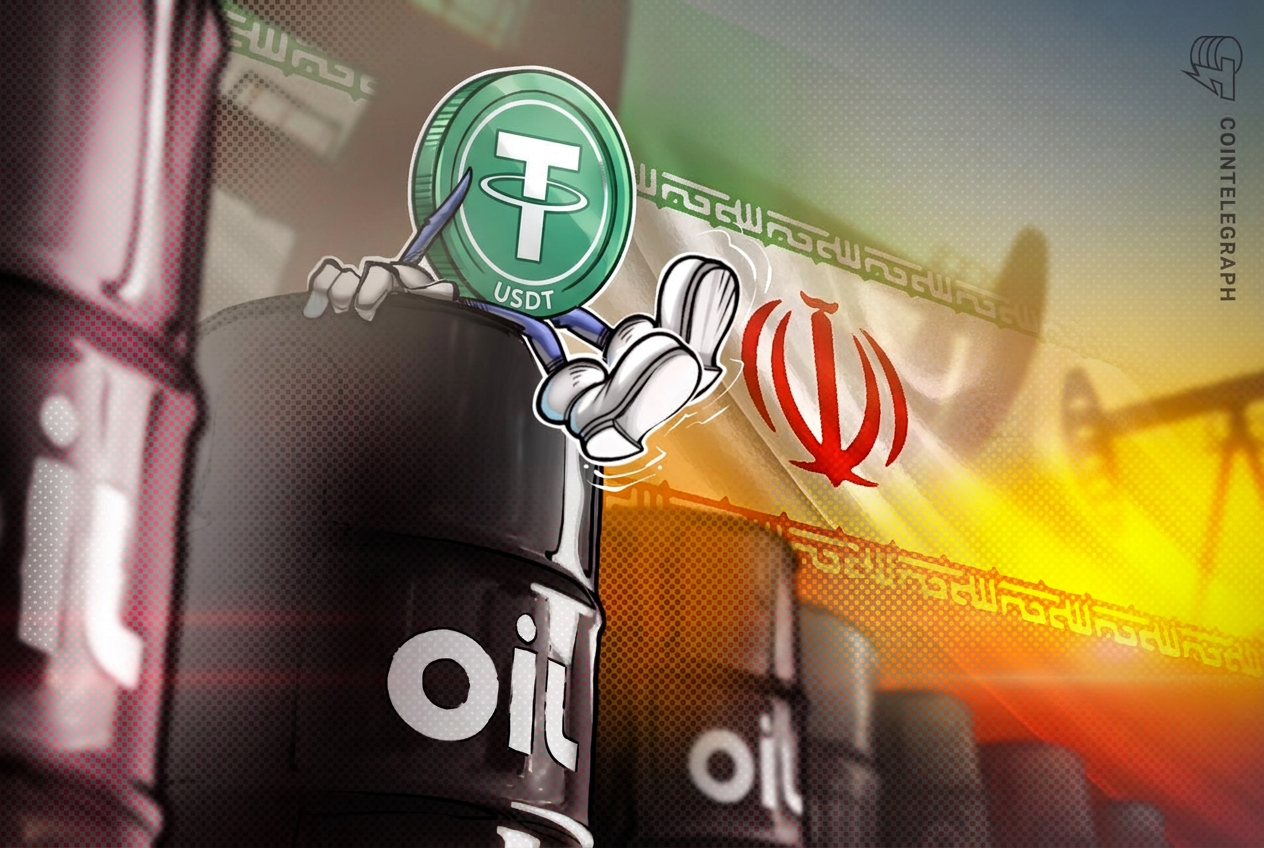
Circle says USDC is the only one of the world’s ten largest stablecoins that currently complies with the European Union’s Markets in Crypto-Assets (MiCA) regulation. If accurate, the claim means the EU’s roughly 450 million residents no longer have regulated access to most major dollar-backed stablecoins, including Tether’s USDT.
The declaration comes as Europe fully implements its landmark crypto legislation, which is changing the landscape of which stablecoins are available for trading in the region and prompting discussions on whether MiCA has indeed gotten the balance between innovation and financial stability right.
Only two Circle tokens made the compliant list
As stated on Circle’s European regulatory page, USDC is the sole top-10 stablecoin by market cap that has been given approval under MiCA. EURC, which is backed by the euro, has also been accepted. The company claims that both tokens can be completely redeemed in fiat currency, with reserves kept in compliance with regulation and made available to the general public. Circle published its reserve report on August 3.
Under the MiCA framework, stablecoin issuers must segregate their reserves, issue regular attestations, comply with the redemption rights of customers, and adhere to governance standards. Exchanges catering to EU customers can no longer offer stablecoins by issuers that fail to meet these requirements.
The transition period had run its course by July 1. The European Securities and Markets Authority (ESMA) called on all unauthorized firms to close their operations. Moreover, it reminded the public that the only legal operators of crypto-asset services in the European Union and European Economic Area were firms with licenses.
The stricter regulations are a reflection of the increasing regulatory concern about the increasing position of stablecoins in finance. The European Systematic Risk Board (ESRB) has warned that the growing connection of stablecoins’ reserves with banks and the financial market will make it more necessary to supervise them closely and prevent wider financial risks.
The 60% reserve rule that kept Tether out
The most challenging hurdle for large issuers is the reserve requirement under MiCA. Those stablecoins that are categorized as being “significant” must maintain at least 60% of their reserves in bank deposits within the EU. This categorization applies to those issuers that fulfil at least three of the seven conditions, namely: number of token holders is higher than 10 million; market capitalization higher than €5 billion; average daily transactions exceed 2.5 million in number and €500 million in aggregate value; gatekeeper status; significance of the issuer’s activities on a global scale; financial interconnectedness; and multi-token activity. USDT meets all of the quantitative conditions.
Instead of complying, Tether decided to leave the EU market and terminated its euro-pegged stablecoin, EURT.
“After careful consideration, we have made the decision to discontinue support for EUR₮. As such, Tether has ceased minting EUR₮, with the last acquisition request processed in 2022, and new EUR₮ issuance requests are no longer accepted.
This decision aligns with our broader strategic direction, considering the evolving regulatory frameworks surrounding stablecoins in the European market. Until a more risk-averse framework is in place—one that fosters innovation and offers the stability and protection our users deserve—we have chosen to prioritize other initiatives. “ – Tether Updates Users on a Strategic Transition to Better Support Community-Driven Product Support
The CEO of Tether, Paolo Ardoino, indicated that requiring issuers to move their assets from short-term US Treasuries to deposits in commercial banks could adversely affect the stability of stablecoins, especially during times of financial stress. In a statement made after an interview with Italian television, Ardoino remarked that MiCA “poses a systemic risk to European banking stability” and added that Tether’s exit from the EU was because “we preferred to protect our current users who use Tether USDt as their only stable currency option.”
The criticism does not just stop at Tether. Industry organization Blockchain for Europe has pressed the European Commission to examine specific sections of MiCA’s stablecoin regulation, stating that some regulations may hinder the ability of Europe to compete successfully.
Delistings that left aggregate volumes nearly flat
The exchanges immediately responded to the event. Binance, Coinbase, Kraken, and OKX decided to take USDT trading pairs off of the exchange platforms of their European clients to avoid any potential MiCA violations.
Still, the overall cryptocurrency market didn’t experience serious changes that were anticipated by many.
As reported in a research released in July 2026 by LUISS economist Nicola Borri and University of Surrey researcher Kirill Shakhnov, the total shares of USDT and USDC in the market “barely move” following the delisting. In Europe, the share of USDC in the USDT-to-USDC trading increased by around six percent, largely due to the approximately 20% decrease in USDT trading volume after its removal rather than the increasing interest in USDC.
In addition, there are now new security risks resulting from the transition. According to the recent news from Cryptopolitan, there has been a major rise in impersonation scams that target clients attempting to move their assets onto MiCA-compliant systems.
Euro stablecoins hit a record as issuers pile in
MiCA also has a transforming influence on the euro-pegged stablecoin sector in Europe.
DefiLlama data shows MiCA-compliant euro stablecoins approached $900 million in value during mid-2026, a record for the sector. CoinGecko ranks Circle’s EURC as the largest euro-backed stablecoin following EURT’s retirement, while Token Terminal data shows euro stablecoins still account for well under 1% of the roughly $300 billion global stablecoin market.
Two things are true at the same time about the status quo of stablecoins under MICA in the EU:
1️⃣ There are now ~35 regulated e-money tokens from 21 issuers, banks and EMIs alike. Real institutions are betting on this space and many large EU corporations will enter over the… pic.twitter.com/t6LlwtWvUR
Regulators continue approving new issuers. ESMA has authorized 19 e-money token issuers across 11 EU member states, while policy analyst Patrick Hansen estimates there were about 35 regulated e-money tokens from 21 companies as of late July.
Conventional banks are venturing into the sector as well. A consortium of nine European banks, which includes BBVA, ING, and UniCredit, will release a euro stablecoin that complies with MiCA regulations, indicating that regulated banks see tokenized money as a vital part in the future of payment systems in Europe.
Despite this, euro stablecoins have a limited presence in the international market. MiCA promotes regulated issuance of euro-denominated stablecoins, but dollar-backed stablecoins continue to lead in crypto trading, payments, and liquidity.
Don’t just read crypto news. Understand it. Subscribe to our newsletter. It's free.


![Ripple [XRP] News Roundup: $2 Billion Whale Buy Meets a Make-Or-Break Resistance Wall](https://image.coinpedia.org/wp-content/uploads/2026/07/24163919/XRP-Price-Analysis-and-News-ETFs-RLUSD-and-Supply-Full-Bull-and-Bear-Case-Explained-1-1024x536.webp)












 English (US)