
 3 months ago
5859
3 months ago
5859

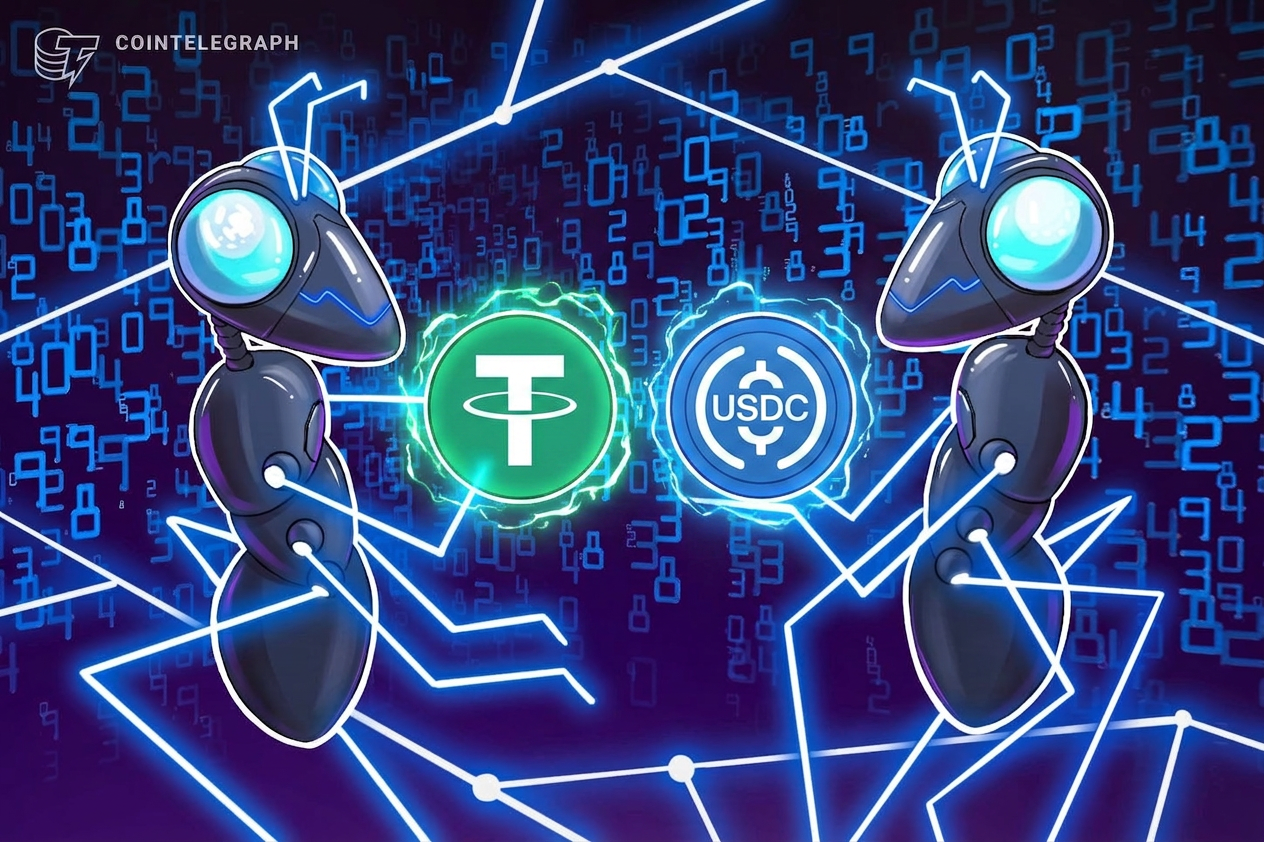
In a groundbreaking move within the digital payment sector, Mastercard announced its acquisition of BVNK, a premier provider specializing in stablecoin payment infrastructure, for an impressive $1.8 billion. This landmark deal not only marks a significant investment greater than BVNK’s previous valuation but also positions it as a major player in the stablecoin infrastructure arena. Mastercard’s strategy reflects its keen interest in adapting to the fast-evolving technological and regulatory landscapes of the global payment industry.
What was Mastercard’s motivation for acquiring BVNK?
The choice to acquire BVNK was a strategic one for Mastercard, who opted for direct ownership instead of partnerships or buying smaller firms. BVNK’s extensive regulatory compliance infrastructure, along with its broad licensing network spanning over 130 countries, presented a compelling value proposition for Mastercard.
BVNK’s unique selling point is its robust licensing portfolio, which provides a competitive edge in the global fintech landscape. This comprehensive compliance architecture aids in overcoming common challenges faced by fintech companies when scaling internationally. By acquiring BVNK, Mastercard avoids years of potential regulatory hurdles and development time, leveraging BVNK’s existing stablecoin network.
Can stablecoin technology improve global transaction efficiencies?
Absolutely, Mastercard believes integrating BVNK’s technology will reduce costs and improve the speed of global transactions. Legacy systems have made cross-border payments expensive and slow, often burdening users with excessive fees, typically ranging from six to eight percent in places like Africa and Southeast Asia.
With BVNK’s stablecoin platform, Mastercard aims to cut through these inefficiencies, potentially reducing fees to one or two percent. This could offer a vital lifeline for approximately 1.3 billion adults worldwide who do not have access to traditional banking services.

Joining industry trends, Mastercard’s move parallels efforts by other payment giants such as Stripe and Visa exploring stablecoin solutions. These strategies underline a shift towards a future where regulated, compliance-focused payment infrastructures become standardized among major financial networks.
Even as alternative solutions emerge, regulated methods are proving superior, especially following significant unregulated failures. Mastercard’s acquisition of BVNK signals a commitment to building a secure, globally compliant payment framework.
“Our decision to acquire BVNK reflects our dedication to shaping the future of secure, efficient, and compliant global payment flows,” noted a Mastercard representative, emphasizing their commitment to setting new global standards in digital payment reliability.
As major industry players like Mastercard and Visa move towards compliant stablecoin technologies, the payment sector is witnessing pivotal transformation. Success will hinge on combining regulatory approval with cutting-edge technology—a foundation BVNK already possesses, providing Mastercard a strategic advantage in this shift.
The acquisition is poised to redefine digital transactions on a global scale, promising reduced fees, wider accessibility, and enhanced cross-border resilience, offering substantial benefits to individuals and businesses worldwide.
Disclaimer: The information contained in this article does not constitute investment advice. Investors should be aware that cryptocurrencies carry high volatility and therefore risk, and should conduct their own research.
















 English (US)