
 3 months ago
14934
3 months ago
14934

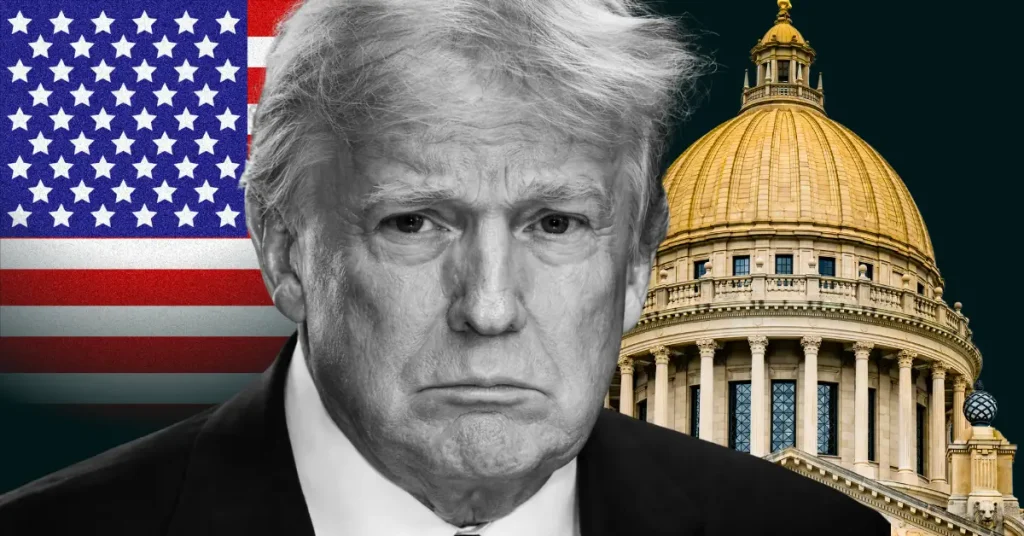
A provocative statement by Iranian Parliament Speaker Mohammad Bagher Ghalibaf has stirred fresh debates in financial circles this week. Taking to social media platform X, Ghalibaf urged traders to treat U.S. President Donald Trump’s market communications as warnings, rather than guidance, suggesting a contrarian approach might yield better results. Recognized as a vocal figure in Iranian politics and a former officer in Iran’s Islamic Revolutionary Guard Corps, Ghalibaf’s comments come against a backdrop of shifting market strategies as geopolitical pressures mount.
Is the TACO Trade Strategy Losing Its Edge?
Throughout 2025, many Wall Street traders leaned on the “Trump Always Chickens Out” (TACO) strategy. This methodology capitalized on buying opportunities following market dips sparked by Trump’s aggressive rhetoric, predicting a swift market rebound with ensuing diplomatic resolutions. But recent events suggest this once-reliable tactic may be past its prime.
A significant pivot occurred last week when Trump delayed a planned military maneuver on Iranian energy installations. Where traders previously expected a quick recovery, no such turnaround materialized, marking a break in the established recovery pattern amid rising geopolitical risks.
Critics noted that algorithmic trading models that previously supported the TACO strategy faced considerable difficulties. Reports emanating from Asian and Australian markets underscored growing concerns over potential oil shortages and economic disruption, which further heightened risk perceptions in energy and financial sectors.
Will Markets Heed Ghalibaf’s Advice?
Addressing these developments, Ghalibaf branded Trump’s pre-market communications as misleading indicators, arguing for a reversal in trading tactics. He contended that such announcements often precede short-term profit-taking rather than actual market insights.

“Pre-market so-called ‘news’ or ‘Truth’ is often just a setup for profit-taking. Basically, it’s a reverse indicator. Do the opposite,” expressed Ghalibaf.
Steve Hanke, an economist from Johns Hopkins, observed that market participants, often referred to as bond vigilantes, have become increasingly skeptical of Trump’s policies, particularly in light of tariff escalations and tensions with Iran.
Moves within the U.S. Treasury market further illustrated the general unease. The yield on the 10-year Treasury bond climbed to 4.46%, nearing instability levels witnessed in past crises, forcing discussions in Washington on potentially shifting policy directions.
Earlier warnings from Ghalibaf implied that institutions holding U.S. Treasury debt could be vulnerable targets, amplifying the global bond markets’ exposure to geopolitical threats.
Specific factors contributing to the TACO trade’s erosion include increased international uncertainty. Unlike previous eras of diplomatic negotiation, the ongoing conflict with Iran introduces a higher degree of unpredictability. This was exacerbated by reports of Iranian leaders suffering from initial attacks, challenging previous notions of market stability.
Onlookers are now keenly observing whether the rising U.S. Treasury yields might trigger a policy re-evaluation by Washington or if the intensification of military engagements will redefine investor habits entirely. As the Strait of Hormuz closure pushes oil prices above $110 per barrel, persistent geopolitical tensions continue to rewrite market reliability assumptions, demanding a new investor strategy approach.
Disclaimer: The information contained in this article does not constitute investment advice. Investors should be aware that cryptocurrencies carry high volatility and therefore risk, and should conduct their own research.









 English (US)