
 3 months ago
8809
3 months ago
8809

Chaos Labs, an integral player in Aave’s risk management framework, has decided to leave the platform after three years of collaboration. This departure signifies a crucial turning point for Aave, amid recent organizational shifts and the exit of other key contributors.
Why did Chaos Labs exit?
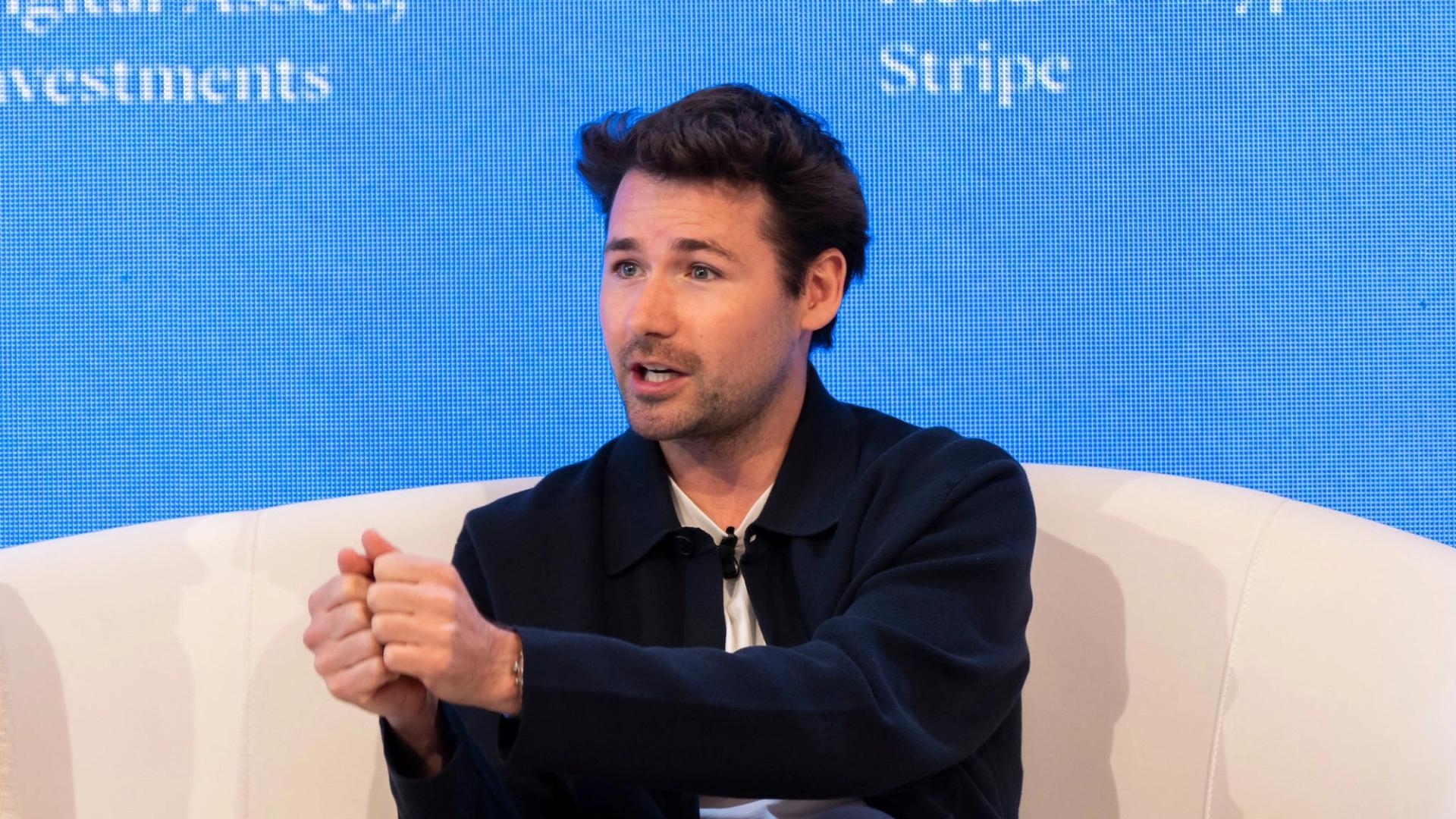
According to Omer Goldberg, founder of Chaos Labs, the decision emerged from a core disagreement over risk management strategies. Since 2022, Chaos Labs has regulated debt pricing and overseen risks in Aave’s V2 and V3 versions. However, philosophical differences in approach, lack of profitability, and the exit of significant contributors such as BGD Labs have driven Chaos Labs to reevaluate its position. Plans for Aave V4’s launch have further highlighted these differences.
As Aave transitions with its version V4 launch, CEO of Aave Labs, Stani Kulechov, has emphasized the platform’s ambition to access wider markets. Despite this, Chaos Labs has sounded a note of caution about potential short-term risks involved in the process.
Could budget negotiations have resolved the impasse?
Chaos Labs suggests that V3 will still demand substantial resources, noting financial strains from its previous commitments. Aave Labs, in hopes of retaining Chaos Labs, proposed a $5 million budget increase. However, Chaos Labs required $8 million annually, a sum constituting about 5.6% of Aave’s revenue, excluding operational and legal challenges.
Goldberg indicated that fundamental risks management discrepancies at Aave could not be bridged purely with financial negotiations.
During ongoing governance reform discussions, Aave Labs proposed turning the project into a DAO subsidiary, redirecting revenues to the DAO. This move did not impress other key partners like the Aave Chan Initiative and BGD Labs, who chose not to renew contracts. Marc Zeller highlighted concerns regarding Aave Labs’ control over token supply as pivotal.

In recent developments, the Aave community approved a $50 million funding initiative to support Aave Labs’ operations, along with efforts to relocate intellectual property rights under DAO supervision, intensifying debates about protocol governance and financial management.
While the discord over managing risks persists, the shifting dynamics in Aave’s ecosystem pose challenges and opportunities for both former and current stakeholders. As the protocol evolves, these decisions will likely influence its trajectory and impact on the DeFi industry.
Disclaimer: The information contained in this article does not constitute investment advice. Investors should be aware that cryptocurrencies carry high volatility and therefore risk, and should conduct their own research.










 English (US)