
 1 month ago
10810
1 month ago
10810
.png)
America has turned humanoid robots into the newest battleground in its tech conflict with China. The Trump administration has blocked new Chinese humanoid machines, four-legged models, and connected inverters from the U.S. market.
According to Reuters, officials allegedly say the rules aim to keep equipment that could be hacked, watched, or shut down abroad away from sensitive systems.
The order also supports Washington’s effort to rebuild strategic manufacturing. Chinese companies already lead much of the young humanoid market. Inverters link solar panels, batteries, electric grids, and data centers, placing them inside the same AI supply chain as chips, cloud services, and industrial software.
FCC warns Chinese robots threaten US security
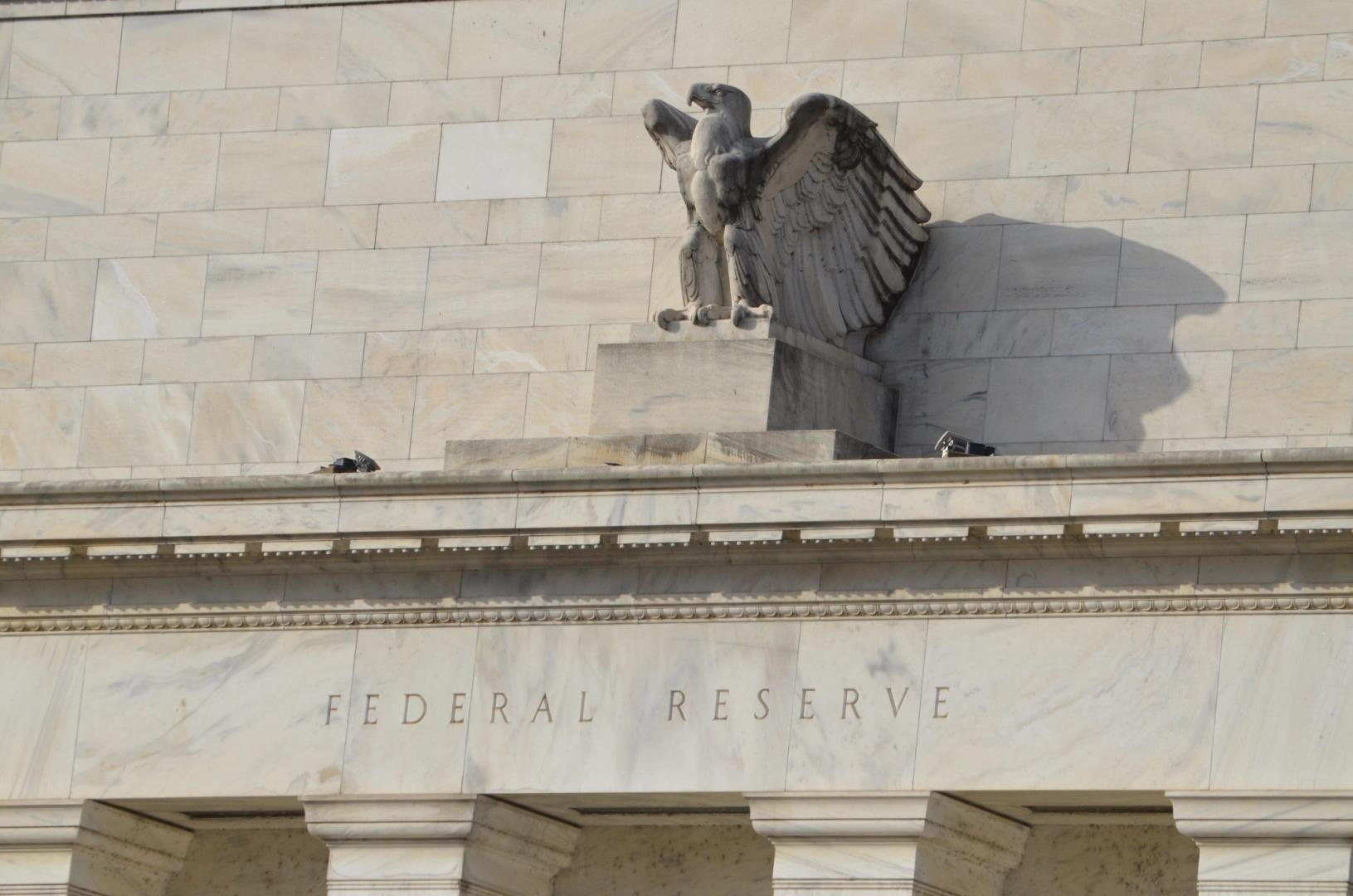
The Federal Communications Commission announced the restrictions Tuesday afternoon. It said Chinese connected machines could create weak points in U.S. supply chains and infrastructure, letting foreign operators gather data, interrupt work, or control equipment remotely.
“These devices could create supply chain vulnerabilities that could disrupt U.S. economic and national security and could create a cybersecurity risk that threatens American critical infrastructure,” the FCC said.
FCC Chairman Brendan Carr added, “The FCC will continue to do our part to secure America’s critical supply chains.”
Unitree may take the biggest hit. Counterpoint Research estimates that the private Chinese company holds just under 20% of the global humanoid robots market. It is one of three Chinese manufacturers leading the sector.
The Pentagon recently listed Unitree among businesses it says have Chinese military backing. The label brings no automatic penalty but often comes before stricter U.S. action.
Unitree also partnered with Nvidia (NASDAQ: NVDA) to use Blackwell chips inside its machines. Nvidia said information produced by the robots would stay in the United States. It added that Unitree’s main American customers are universities and research institutions.
Security supporters say cameras, microphones, sensors, location tools, and network links can map workplaces, record routines, inspect equipment, and study how industrial sites operate.
“Robots collect data that could be leveraged by malign actors to surveil Americans, enhance the capabilities of foreign intelligence services, or to remotely commandeer the robots,” the FCC said.
U.S. Representative John Moolenaar, the Michigan Republican who chairs the House Select Committee on China, has proposed security reviews and possible bans for Chinese robots. He said the FCC decision “protects our country and strengthens our nation’s robotics industry.”
China rejected the policy. Its Washington embassy urged U.S. officials to listen to businesses in both countries and stop threatening Chinese companies with sanctions. Beijing said it would take whatever steps it considers necessary if the restrictions seriously harm Chinese interests.
AI rivalry goes beyond chatbots
The fight also covers open AI models, advanced chips, training methods, and claims that American intellectual property was taken.
Anthropic founder and CEO Dario Amodei denied that his company wants Washington to ban open-weight Chinese models or open systems generally.
“Anthropic has never advocated for a ban on open-weight models,” Dario wrote Monday.
His concern is that authoritarian governments could build AI stronger than American systems. Dario said such technology might deliver permanent military superiority or help those states repress their citizens. He said the Chinese Communist Party is not his only concern, but called it the most capable.
Dario backs tighter limits on China’s access to powerful chips. He also wants formal action against distillation, a method that transfers knowledge from one AI model to another. The United States has threatened sanctions if investigators find intellectual property theft involving American models.
Meta Platforms (NASDAQ: META) CEO Mark Zuckerberg opposes model bans. Cryptopolitan previously reported that Mark told reporters blocking advanced Chinese AI would not be an effective answer. Also, he warned against “regulatory capture,” which occurs when big American laboratories create regulations that harm smaller domestic competitors.
Officials are meanwhile allegedly looking at Volt Typhoon, a Chinese government-linked cyber campaign revealed in 2023. Attackers hijacked privately owned routers and exploited them to conceal subsequent attacks on American infrastructure.
The Defense Department already cannot buy solar cells, solar modules, or inverters made by foreign entities of concern, including Chinese companies, under existing federal procurement rules for military purchases.
Don’t just read crypto news. Understand it. Subscribe to our newsletter. It's free.












 English (US)