
 3 months ago
12796
3 months ago
12796
.png)
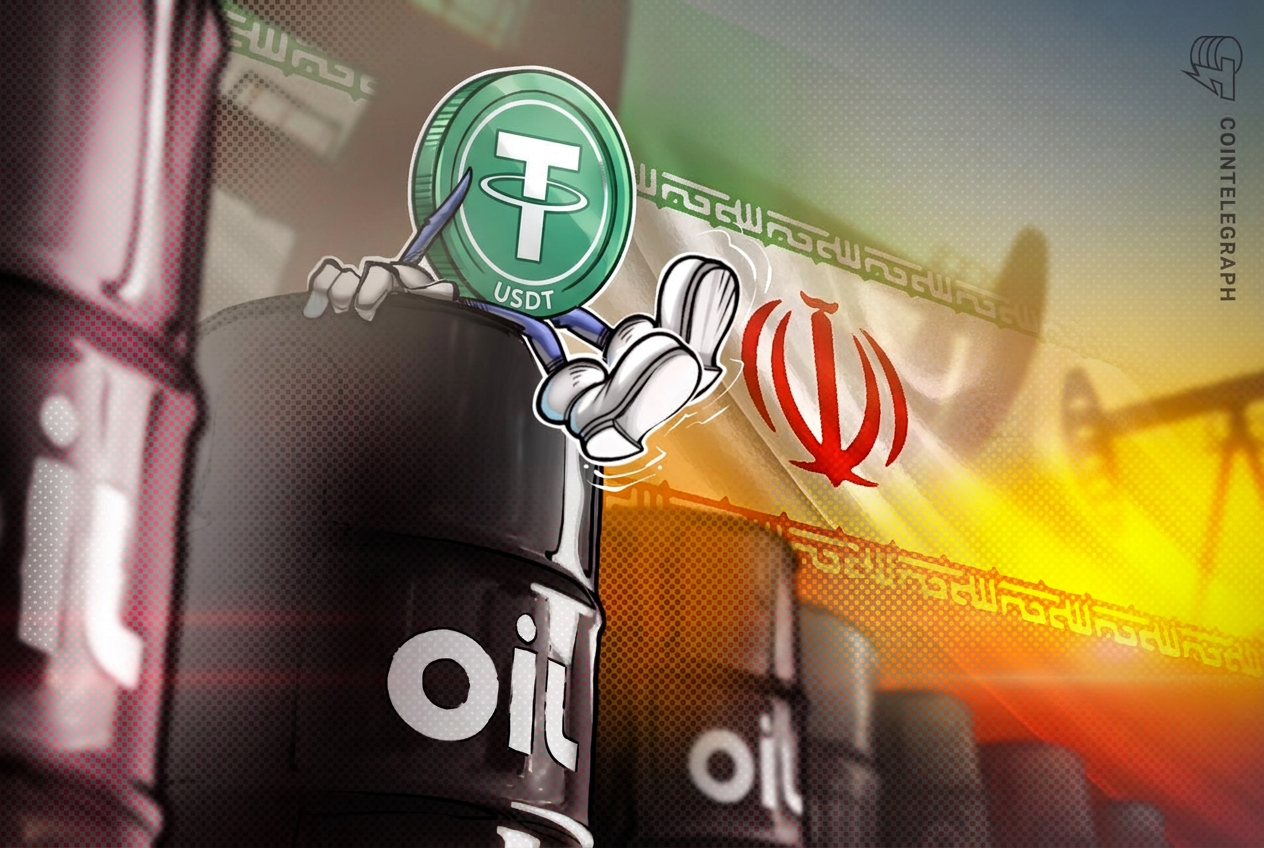
The uncertainty around the Strait of Hormuz has been one of the most contentious issues that crypto and risk assets more broadly have had to deal with since the US-Iran war began on February 28. Iran’s Persian Gulf Strait Authority issued a notice that comes into effect from today on reopening the Strait of Hormuz under the 60-day framework agreed between Washington and Tehran. The conditions stipulated within are actually worth looking into because it has ramifications for the crypto market.
Vessels now have to file transit requests at least 48 hours ahead and coordinate their routes around areas that were mined during the fighting, but for the length of the window Iran is waiving the security, safety, environmental and insurance fees it could otherwise impose. A toll-free corridor through a chokepoint that handles roughly a fifth of the world’s oil points to de-escalation and for crypto the value is in what it removes rather than what it adds.
A Toll-Free Strait Is a Risk-Off Signal
A reopening of the Strait on its own would have eased some pressure, but waiving security, safety, environmental and insurance costs across the 60-day period is a clear sign that no side wants or is looking to weaponize the energy chokepoint, at least in the short term. This condition could potentially remove a macro headwind for Bitcoin that’s been present since the war broke out, albeit for a limited time. The disruption and uncertainty in Hormuz resulted in an energy shock that pushed gas prices up across the world which then fed into headline inflation and sticky inflation kept the Fed pinned and starved risk assets of the liquidity they were waiting on. If tanker traffic actually comes back to normal levels, the price of crude could come down and the market’s read on how soon the Fed can cut shifts back toward easing.
The Premium is Only Paused
The 60-day window pauses the geopolitical premium that powered Bitcoin’s relative-strength story during the war, it does not erase it. Iran keeps the option to reinstate tolls once the clock runs out, the corridor stays under IRGC control the entire time, and the mines that forced the route coordination in the first place are still sitting in the water. None of that has changed. What changed is that, for now, the cost of moving oil through the strait fell to zero and the immediate threat of a fresh supply shock came off the board. That makes the 60 days a defined risk window rather than an all-clear, and treating it as anything more is how positioning gets caught offside when the clock matters again.
What to Watch Over the Next 60 Days
A reopening on paper does very little if traffic stays near the lows it hit during the worst of the disruption, so the cleanest tells sit outside crypto entirely. Crude is the first one, since a sustained move lower confirms the supply fear is draining out. The dollar is the second, because that is where easing expectations show up before they reach risk assets.
Any sign of renewed friction near the strait, a move to reimpose fees before the window closes, or reports that tanker traffic is not recovering would reprice the premium fast. The market got its de-escalation, but it got it on a timer, and the timer is the whole story.
The smartest crypto minds already read our newsletter. Want in? Join them.










 English (US)