
 3 months ago
13892
3 months ago
13892

Amid an evolving geopolitical landscape, Iran has introduced a groundbreaking regulation allowing oil tankers traversing the Strait of Hormuz to settle transit fees using cryptocurrencies or the Chinese yuan. Set to commence during a recently declared temporary truce, this policy represents a considerable departure from Iran’s traditional international payment methods, largely shaped by longstanding sanctions.
How Will Oil Transit Fees Be Paid?
Iran’s innovative payment strategy, revealed by Hamid Hosseini of the Iranian Oil, Gas, and Petrochemical Products Exporters’ Union, assigns a transit fee of about one dollar per barrel. Consequently, supertankers, considering their massive cargo capacity, might face fees close to two million dollars per passage.
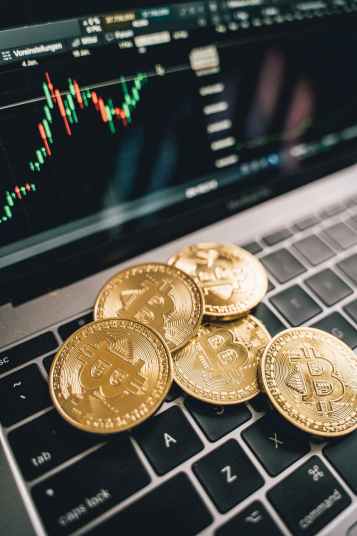
Faced with stringent global banking restrictions, Iran’s pivot to accepting digital currencies, primarily Bitcoin, aims to curtail the nation’s reliance on the US dollar. Accommodating payments in Chinese yuan further enhances Iran’s international trade flexibility.
What Role Do Cryptocurrencies Now Play?
In recent times, cryptocurrencies have gained momentum within Iran’s economy. Iran’s thriving domestic crypto scene, valued at approximately $7.8 billion, is spearheaded by Bitcoin, underscoring its resilience as an alternative transaction method amid external pressures and internal disruptions.
Instances of escalating tensions in the Middle East have historically corresponded with increased crypto transactions in Iran, notably in Bitcoin. Such activities were fuelled by simultaneous surges in global oil and energy prices, impacting the valuation of digital assets.

Despite sporadic regulation efforts by the Central Bank of Iran and affiliated entities, cryptocurrencies are increasingly utilized for cross-border dealings. Presently, Bitcoin is entrenched as an alternative payment medium for both personal and commercial transactions across Iran.
This regulatory shift coincides with the recent announcement of a ceasefire between Iran and the United States. Post-announcement, Bitcoin witnessed a 7% price increase, signaling investor reactions to regional political developments.
Key insights from the situation include:
- Bitcoin has emerged as a primary digital currency for Iran, enhancing trade avenues.
- The adaptation to cryptocurrency for oil transit reflects a strategic move to bypass US dollar dependency.
- Ongoing geopolitical events significantly impact Bitcoin’s market value.
With Bitcoin currently hovering around $71,500, the digital asset market continues to exhibit a strong sensitivity to geopolitical shifts.
Disclaimer: The information contained in this article does not constitute investment advice. Investors should be aware that cryptocurrencies carry high volatility and therefore risk, and should conduct their own research.
















 English (US)