
 1 hour ago
732
1 hour ago
732
.png)
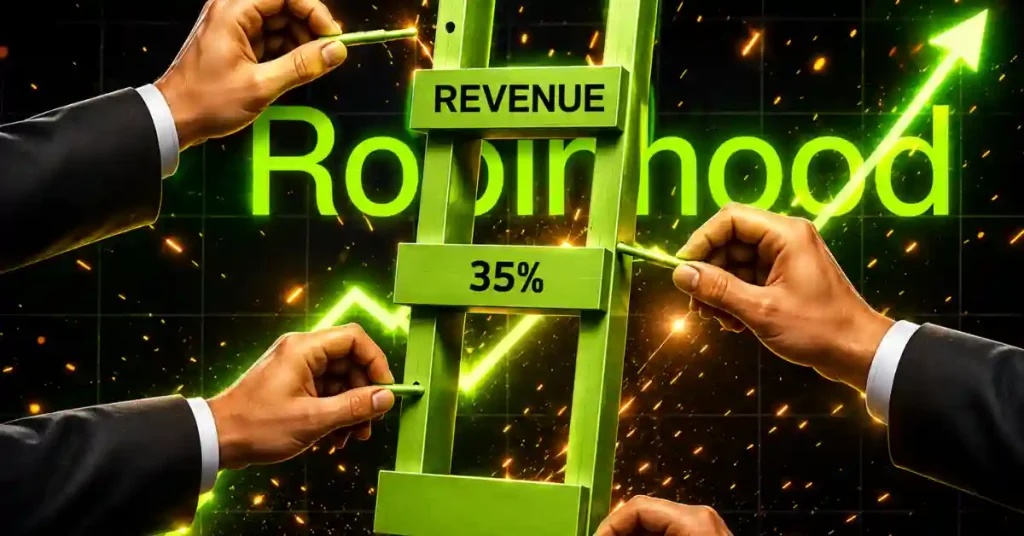
AMC Entertainment (NYSE: AMC) chief Adam Aron publicly gave the thumbs down to Robinhood (NASDAQ: HOOD) in a public exchange with CEO Vlad Tenev between September 3 and 4, asking the legal basis upon which the brokerage is offering tokenized stocks of his company and over 190 others to users.
Part of the red flags that Aron cited in his challenge of the “contemptible, outrageous, disgusting, detestable, inexcusable, vile” practice is that Robinhood did not register its offering under U.S. securities law and never reached out to AMC in building the product.
As to how AMC would handle the matter moving forward, Aron said it will invoke outside securities counsel to look into the matter.
“What’s the concern?”
Aron drew a brief, measured “What’s the concern?” response from Robinhood’s CEO.
Aron fired back, stating the “almost existential” threat to his company as he kept his foot on the gas, stressing that his company neither endorses nor is connected to the tokenized AMC stock. The chief executive also pointed to the absence of investor-protection rules, which costs his company millions of dollars every year.
The AMC chief also pulled in commentary from other X users who backed his point. @rocketspv agreed with Aron that Robinhood did not register any of the products it is using to offer synthetic exposure to more than 190 public companies. It also continued that the “tokenized” label does not exempt it from the Securities Act.
Another user that Aron amplified, Brad M., said that Robinhood attached AMC’s name to a stock token that he argues is actually a Jersey debt note, with no vote and no shares behind it.
Ironically, Robinhood’s own disclosures say the blockchain tokens are tokenized debt securities issued by an offshore affiliate, Robinhood Assets. Holders get price exposure to a stock. But it does not mean legal ownership, and they don’t vote on proposals as traditional shareholders do.
Robinhood also plainly states that the tokens are not registered as securities in the United States and may not be sold there.
None of those disclosures soothe Aron’s headache, though, because, according to him, a nobody should be allowed to create a product that carries AMC’s name and tracks its stock without getting the firm’s approval or even passing it through the regulatory regime AMC operates under.
OpenAI has fought the tokenized stocks fight before
Last year, OpenAI publicly disowned Robinhood tokens tied to its name, saying they were not OpenAI equity, that it had not partnered with or endorsed Robinhood, and that it had approved no transfer of its shares.
Tenev’s defense then previewed his terse reply now. He argued the tokens were not technically equity but derivatives giving retail investors exposure to a private company, and that tokenizing a firm should not require that firm’s permission.
Aron is testing that second claim directly, insisting that a public company’s consent and its regulators still matter.
The dispute is landing on a market that has ballooned this year. Tokenized stocks reached a combined market value of $13.4 billion as of September 1, up from $2.5 billion at the start of 2026, according to The Block’s data dashboard.
Robinhood has been a driver of that climb, listing more than 190 stock tokens on its own Arbitrum-based network after adding 100 in a single batch on August 13.
If you're reading this, you’re already ahead. Stay there with our newsletter.









 English (US)