
 2 months ago
12571
2 months ago
12571
.png)
Gold is priced close to $4,030 per ounce which means it is approximately 28% lower than the price reached in January this year. The factors responsible for the pressure on gold prices are the same forces influencing the cryptocurrency market, that is rising real interest rates and tight money conditions. Whenever both factors negatively affect investors, gold and Bitcoin experience pressure together.
The pressure has only increased. As of July 20, 2026, the yield on the US 10-year Treasury was around 4.57% and inflation expectations were around 2.3%, which results in real yields of over 2%. In parallel with that, the value of the dollar reached its highest point in 13 months making investment in non-yielding vehicles unappealing.
Neither gold nor Bitcoin provide a coupon. As cash and government bonds become more appealing, investors usually move away from any asset that is reliant on price appreciation. Cryptopolitan has reported that gold’s trajectory is growing more dependent on interest rates, liquidity, and capital flows.
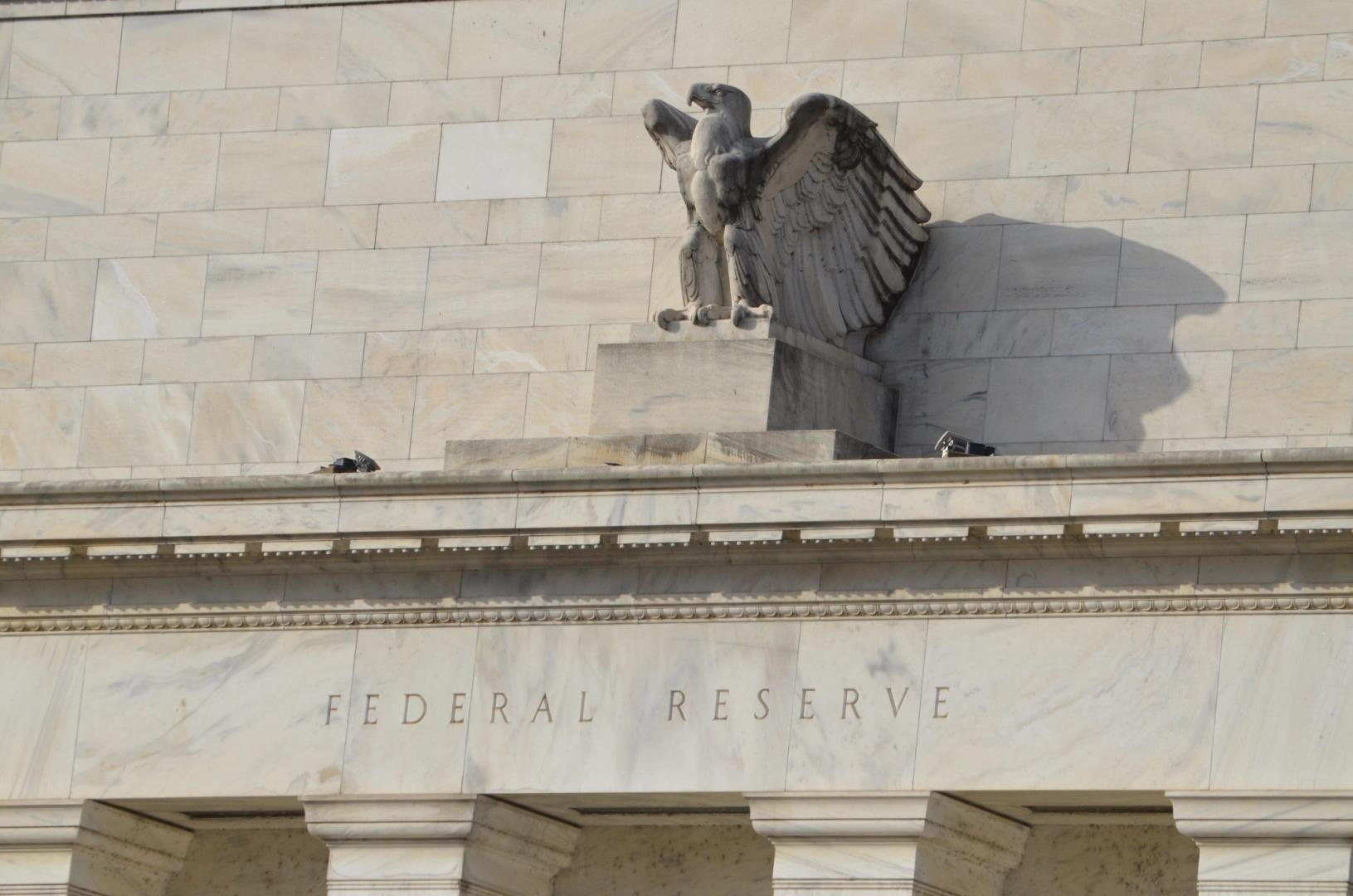
This latest alteration is said to have occurred following the Federal Reserve’s policy meeting on 17 June 2026. Although Chair Kevin Warsh kept the Fed’s benchmark interest rate at a level of 3.50%-3.75%, it can be said that the market has interpreted the meeting as being more hawkish than expected.
According to reports, Warsh did not provide the dot-plot of his projections and also omitted any forward guidance from the Fed policy. This means that without any clear signals from policymakers every major economic report will have more influence on the rates anticipation, which makes gold prices even more responsive to real yields changes.
Wall Street has shifted its predictions regarding gold. On July 3, JP Morgan has reduced its gold forecast for the fourth quarter of this year drastically, from the previously estimated $6000 to just $4500.
Another bank, HSBC, reduced its average estimate for gold price in 2026 from $4864 to $4560 an ounce, but stated that it would set its year-end estimate at $4750. Both banks have insisted that this reflects the current interest rate trend and not the new reality for gold prices.
The floor under gold, and what it says about crypto
Despite the correction, two factors continue to support gold, and both have implications for digital assets.
The first factor is strong demand for gold from central banks. According to the World Gold Council, the central banks purchased a total of 244 tonnes of gold net in the first quarter of the year 2026, which is more than what was recorded in the previous quarter or in the last five years.
According to Saxo head of commodity strategy Ole Hansen, gold ETF holdings have stabilized after several months of selling by investors and therefore purchases in the official sector are the major source of support for this commodity.
The second factor is the larger inquiry for other options compared to the US dollar. BlackRock stated that spot gold ETFs received $44.4 billion in net inflows during the reported year-to-date period while spot Bitcoin ETFs made $23.6 billion.
The asset manager claims investors are seeing both of these assets as possible hedges against inflation, debasement of currencies, and diversification from regular portfolios, made up of stocks and bonds.
What’s the message for crypto investors?
The message is simple for crypto investors. As gold is affected by higher interest rates limiting its rise, the same rates limit digital currencies because of decreased liquidity and risk acceptance.
According to Hansen, gold is stuck in a dilemma related to two opposing forces: raising energy prices, which can contribute to rising inflation and a shift to a stricter monetary policy, or a decline in economic growth, which can support defensive investments.
The key to finding the next trend in liquidity movement depends on determining which of the two stories prevails in this duel. Should real yields decline when the rate cycle switches direction, both gold and cryptocurrencies could stand to gain. Conversely, if the Fed continues to be aggressive in its monetary policy and if the dollar remains strong, investors can expect a further tightening of liquidity.
Gold Price ($/oz)
3500 ────────────────────────────────╮
3300 ──────────────────────────────╮ │
3100 ────────────────────────────╮ │ │
2900 ──────────────────────────╮ │ │ │
2700 ────────────────────────╮ │ │ │ │
2500 ──────────────────────╮ │ │ │ │ │
2300 ────────────────────╮ │ │ │ │ │ │
2100 ──────────────────╮ │ │ │ │ │ │ │
1900 ────────────────╮ │ │ │ │ │ │ │ │
1700 ──────────────╮ │ │ │ │ │ │ │ │ │
───────────────────────────────────────────► Time
Real Yield (%)
-1.0%
0.0%
1.0%
2.0%
3.0%
Figure 1. Spot gold prices versus the U.S. 10-year real Treasury yield. Historically, rising real yields increase the opportunity cost of holding non-yielding assets such as gold, although other factors including central-bank demand and geopolitical risks also influence prices.
| Fed rate cuts | ↑ Positive | ↑ Positive | ↑ Positive |
| Fed rate hikes | ↓ Negative | ↓ Negative | ↓ Negative |
| Falling real yields | ↑ Strong | ↑ Moderate | ↑ Moderate |
| Rising real yields | ↓ Strong | ↓ Strong | ↓ Moderate |
| Stronger U.S. dollar | ↓ | ↓ | Mixed |
| ETF inflows | ↑ Gold ETFs | ↑ Spot Bitcoin ETFs | ↑ Equity ETFs |
| Central-bank buying | ↑ Major support | None | None |
| Geopolitical risk | ↑ Safe haven | Mixed | ↓ Risk sentiment |
| Improved market liquidity | ↑ | ↑ | ↑ |
Figure 2. Liquidity drivers increasingly affect multiple asset classes, although the magnitude and transmission mechanisms differ between gold, Bitcoin and AI-related equities
GLOBAL LIQUIDITY │ ┌────────┼─────────┐ │ │ │ ▼ ▼ ▼ GOLD BITCOIN AI STOCKSHigher Rates ↓ ↓ ↓
Lower Rates ↑ ↑ ↑
ETF Inflows ↑ ↑ ↑
Strong USD ↓ ↓ Mixed
Real Yields ↓ ↓ ↓
Figure 3. Cross-Asset Liquidity Dashboard: Gold vs. Bitcoin vs. AI equities provides a strong visual complement
| Higher Treasury yields | ↓ | ↓ | ↓ |
| Lower inflation | ↑ | ↑ | ↑ |
| ETF inflows | ↑ | ↑ | — |
| Stronger USD | ↓ | ↓ | Mixed |
| Fed rate cuts | ↑ | ↑ | ↑ |
Figure 4. Liquidity drivers increasingly influence multiple asset classes simultaneously.
What’s next for gold and crypto?
Ole Hansen, Saxo Bank’s head of commodity strategy, said gold is struggling to find direction as investors weigh competing macroeconomic forces—persistent inflation, which could keep interest rates higher for longer, against slowing economic growth, fiscal debt concerns and currency debasement, which could restore demand for gold as a defensive asset
“Gold continues to search for direction following a sharp correction since January, with recent price action increasingly reflecting the market’s struggle to determine whether inflation or slowing economic growth, combined with a returning focus on fiscal debt concerns and currency debasement, will become the dominant macro theme during the second half of the year.”
The same macro forces are increasingly shaping cryptocurrencies. Just as tighter liquidity can pressure gold despite strong long-term fundamentals, digital assets have become more sensitive to Federal Reserve expectations, ETF flows and institutional capital than to protocol-specific developments. For investors, the common denominator across gold, crypto and equities is no longer valuation alone—it is the availability and cost of liquidity.
The recent pullback in gold illustrates a broader market dynamic. Investors are increasingly allocating capital based on expectations for interest rates and liquidity rather than the individual fundamentals of each asset class. As a result, gold, cryptocurrencies and growth stocks are all reacting to the same macroeconomic forces, albeit in different ways.
If you're reading this, you’re already ahead. Stay there with our newsletter.
















 English (US)