
 3 months ago
12767
3 months ago
12767
.png)
In an unprecedented shift, central banks across the globe have, for the first time, allocated more of their reserves to gold than to US Treasuries, according to a recent report by the European Central Bank (ECB). By projecting gold’s share in these reserves to climb from 20% in 2023 to an anticipated 27% by 2025, the report underscores a changing landscape in the management of global reserves.
What’s Driving This Notable Shift?
During the analysis period, the ECB noted a reduction in the share of US bonds in global reserves, dropping from 25% to 22%, highlighting a trend away from traditional US assets. In contrast, the role of euro-denominated assets in global reserves has remained consistent at 15%, suggesting a strategic pivot occurs elsewhere. The ECB’s insights point to a fundamental change in how central banks are managing their reserve allocations.
The shift towards gold, viewed now as a more secure asset, reflects a broader trend away from dollar-dominated securities, challenging long-held norms about reserve assets.
What Role Does Geopolitics Play?
The ECB attributes this strategic pivot largely to rising geopolitical tensions and the resulting desire among nations to minimize dependence on the US dollar. As President Christine Lagarde indicated, increasing worldwide instability has fueled a stronger inclination among central banks toward gold.
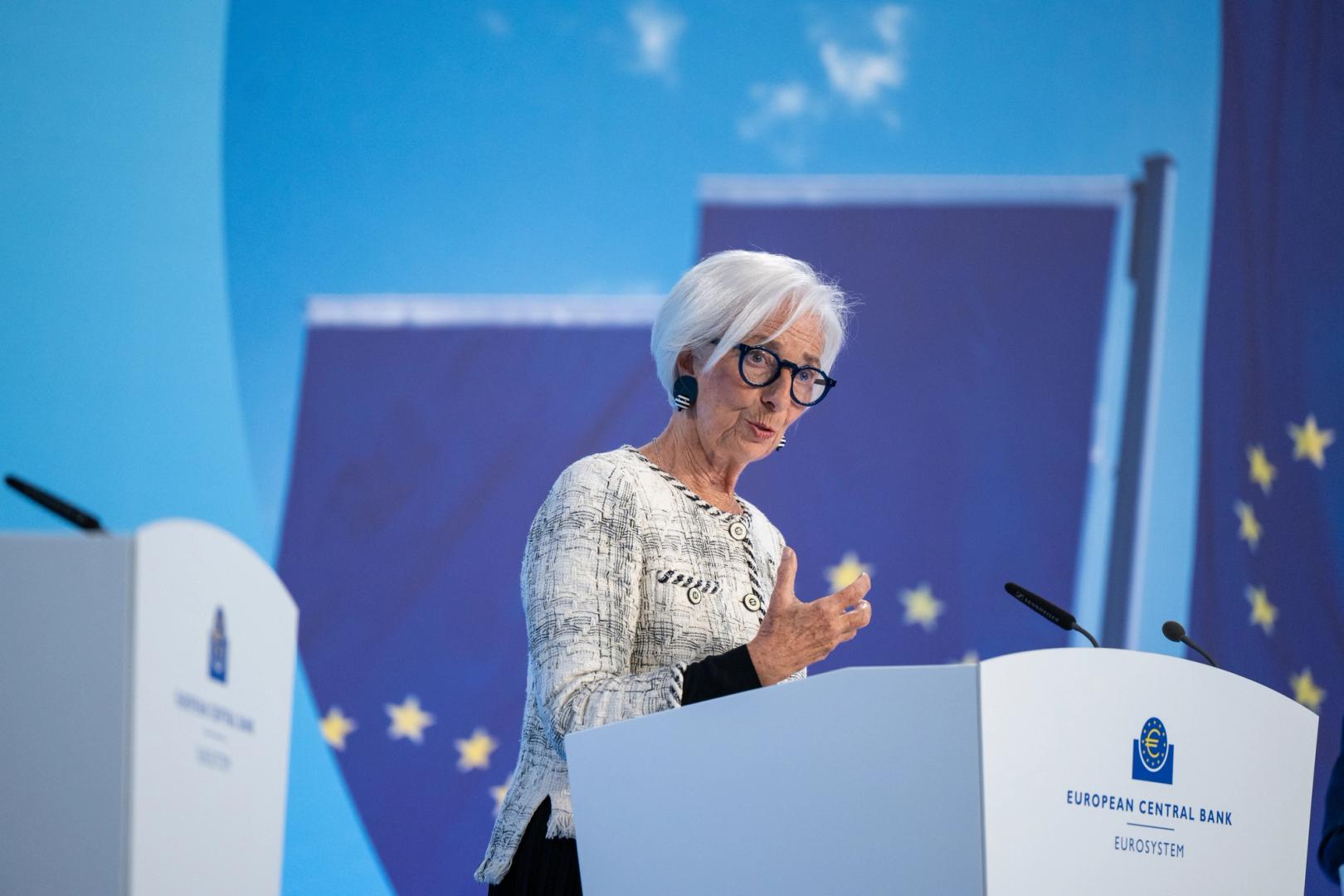
ECB President Christine Lagarde notes that ongoing geopolitical tensions are fueling strong demand for gold among central banks.
The report further elaborates how global events, like the sanctions that followed Russia’s 2022 incursion into Ukraine, have made countries more aware of the risks tied to dollar-denominated reserves. Consequently, governments have been reevaluating the security of their reserve holdings, intensifying the allure of gold.

The ECB finds the shift in reserves has moved more toward gold rather than competing currencies.
Despite these shifts, the ECB maintains that there is no evidence of an immediate, sharp decline in demand for US debt instruments. They continue to play a significant role, holding over 20% of global reserves.
Concrete conclusions drawn from this report include:
- Gold’s appeal is rising as a safeguard against geopolitical instability.
- No immediate, sharp drop in US bond demand is anticipated.
- China, India, Turkey, and Poland are leading gold accumulation efforts.
While US bonds still command a significant portion of global reserves, the continuous increase in government gold purchases, especially by major economic players, signals a fundamental change in reserve allocation priorities.
Disclaimer: The information contained in this article does not constitute investment advice. Investors should be aware that cryptocurrencies carry high volatility and therefore risk, and should conduct their own research.

















 English (US)