
 3 months ago
10457
3 months ago
10457

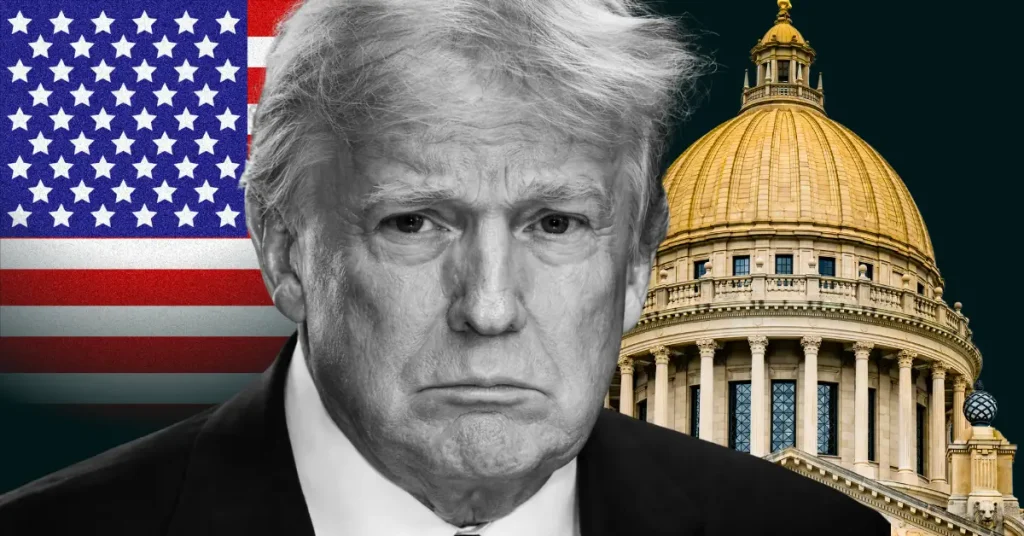
The early start of the weekend due to a U.S. holiday is creating ripples across the cryptocurrency market. Remarks from former President Donald Trump have cast a shadow over market sentiment, leading to reduced trading volumes and a bearish outlook among traders. As the next few hours unfold, many market participants brace themselves for potential downturns.
What’s Influencing the Markets Now?
Recent economic data from the U.S. has revealed stronger-than-expected employment numbers, further driving down unemployment rates. This has raised concerns about inflation, especially as some policies introduced by Trump are deemed as initiating a new phase of economic challenges. Such a backdrop poses potential risks to the stability of cryptocurrencies, with investors keenly awaiting further data expected shortly.
As U.S. markets remain closed, cryptocurrency exchanges are operating with reduced volumes, exacerbating any shifts in investor sentiment. The impending release of inflation figures on April 10 adds to the tension, suggesting that increased selling activity could lead to marked losses in digital currencies.
Will the Crypto Market Defy Expectations?
Historically, the cryptocurrency market is noted for its unexpected turns. While the prevailing sentiment may point one way, crypto-enthusiasts and traders often witness surprising shifts, providing a testament to the sector’s unpredictable nature.
According to market predictions, the likelihood of the Federal Reserve reducing interest rates by 25 basis points in December 2026 is slim, scarcely crossing the 20% threshold. However, a rate cut in December 2027 is widely anticipated, reflecting cautious stance on imminent monetary policies.

In a significant announcement, Trump unveiled plans for a $1.5 trillion defense budget, the largest since World War II. Hyundai is set to invest $26 billion in the U.S., creating 25,000 new jobs, and potentially providing the Federal Reserve with greater flexibility in upcoming economic decisions.
On another front, the IMF shed light on tokenization’s influence on traditional markets, despite its inherent risks. Coinbase gained conditional approval for a U.S. national trust charter, while Microsoft’s $10 billion investment in AI data centers in Japan signals its strategic push in artificial intelligence.
Recent moves include Kentucky’s decision to amend crypto legislation, removing anti-self-custody components. Telegram’s Wallet platform’s recent foray into 50x leveraged trading across more than 50 markets marks continued innovation. Grayscale aims to expand with an S-1 amendment for a Bittensor (TAO) trust, while OpenAI’s acquisition of the TBPN media platform bolsters its portfolio.
Hyundai’s investment underlines the potential for positive economic ripple effects:
- Creation of 25,000 jobs
- Possible easing space for the Federal Reserve
- Strengthened U.S.-South Korea trade relations
A global sense of unpredictability continues to pervade the crypto industry, driven by factors such as policy changes, strategic investments, and looming economic data releases. As the world of cryptocurrency evolves, traders and enthusiasts alike remain cautious yet hopeful.
Disclaimer: The information contained in this article does not constitute investment advice. Investors should be aware that cryptocurrencies carry high volatility and therefore risk, and should conduct their own research.

















 English (US)