
 3 months ago
14841
3 months ago
14841
.png)
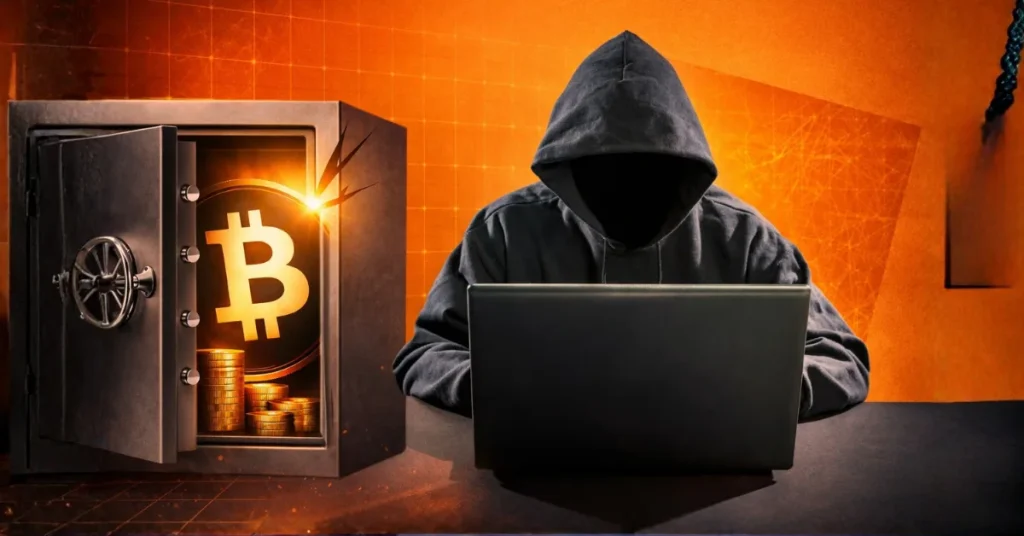
G7 leaders issued a joint statement on the rampant crypto thefts orchestrated by North Korea’s hacker group, the DPRK. The leaders who met in Evian, France, renewed calls for collaborative efforts to combat North Korea’s aggression in the crypto space, citing international risks.
Meeting in Évian-les-Bains on June 17, G7 leaders issued a fresh warning about Pyongyang’s digital theft operations in their broader statement on geopolitical issues, placing crypto crime alongside Iran’s nuclear ambitions and the war in Ukraine as a top-tier security concern.
The statement read in part “..reiterate the need to jointly address North Korea’s cryptocurrency thefts and cybercrimes”. Notably, it’s the first time the G7 is categorizing North Korea’s cybercrimes in the same category as nuclear weapons and missile programs, a crucial matter of security.
Earlier last year, at the G7’s 2025 Kananaskis summit, the world leaders also raised similar concerns about North Korea. The leaders also addressed other security concerns posed by North Korea, and linked cryptocurrency as a major source of funds for the regime’s weapons.
North Korea’s role in crypto thefts and cybercrime
The G7 leaders pledged closer cooperation to counter abuse of digital financial networks. North Korea was singled out as one of the countries that uses digital networks to evade sanctions and bankroll military ambitions using the same digital channels.
In 2026 alone, North Korea has been involved in major crypto exploits, providing fresh evidence to support concerns from G7 world leaders. This year, Drift Protocol, a Solana-based exchange, lost over $250 million on April 1. Drift protocol later revealed, after a post-mortem, that the exploit was only possible because there was organizational backing.
According to the Drift protocol, the process began in October 2025, when the attackers approached them at a major industry conference to collaborate and immediately began planning the exploit after gaining access. Elliptic, a blockchain analytics firm, later linked the malicious actors to North Korea’s DPRK operators.
Barely a week before the G7 meeting, another relatively small decentralized project, Humanity protocol, bled over $35 million. Security firm Quantstamp said a phishing email disguised as a token lockup update from South Korean exchange Bithumb tricked an employee into installing malware that gave attackers full remote access to a company laptop. Quantstamp later linked the activities to North Korea’s DPRK as well.
Can the G7 coordinate a crackdown on North Korea?
North Korea has made no comments on crypto or cybercrime allegations yet. When confronted with similar accusations in May, a Foreign Ministry spokesperson dismissed the claims as Washington spreading “incorrect” narratives about what it called a “non-existent” cyber threat, per state media coverage.
The G7 is likely to push for standardized attribution-sharing among their intelligence services, faster freezing of flagged wallets across exchanges, and pressure on smaller jurisdictions that still host offshore platforms where stolen funds eventually settle.
The UN Security Council has separately documented North Korea’s sanctions-evasion playbook in detail, giving the G7 a paper trail to build on rather than starting from scratch.
If you're reading this, you’re already ahead. Stay there with our newsletter.




 English (US)