
 1 month ago
10621
1 month ago
10621
.png)
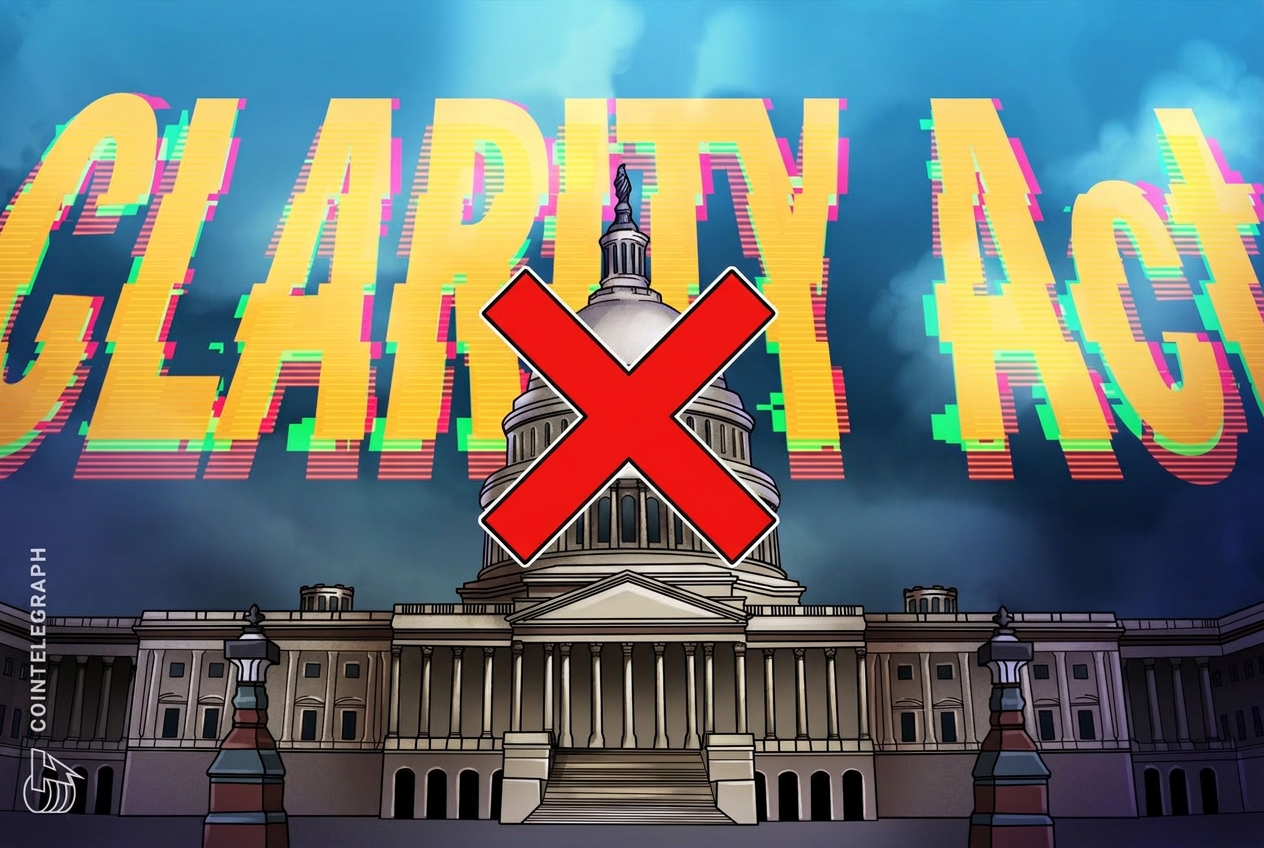
Bob Diamond, the former leader of Barclays, recently voiced strong support for the Clarity Act, a legislative proposal aimed at reshaping the regulatory landscape for digital assets in the U.S. Despite resistance from parts of the banking sector, Diamond sees this reform as a pivotal advancement for banking in the long run.
What Challenges Does the Clarity Act Face?
The Clarity Act seeks to establish a well-defined framework for digital assets in the United States. However, its journey through the Senate is stalled, largely due to divisions among lawmakers and objections from major banking institutions. The core aim of the bill is to set transparent guidelines for banks and financial entities involved with cryptocurrencies and blockchain innovations.
In contrast to the sector’s opposition, Diamond argues that the Act’s regulatory certainty could provide significant advantages for banks, particularly those looking to delve into blockchain technologies and digital asset markets. He stressed that such clarity is essential for fostering sector growth.
Are Large Banks Adopting Blockchain?
Indeed, Diamond cites examples of significant banking institutions such as JPMorgan, Morgan Stanley, Goldman Sachs, and Bank of New York. These organizations are increasing their blockchain investments, recognizing its potential to overhaul conventional markets. Their commitments suggest an intent to harness blockchain technology for efficient trade execution and transaction settlements.
Diamond projects that those banks leading the charge in blockchain advances stand the best chance of thriving as financial landscapes evolve. Focused investment in these cutting-edge technologies is deemed crucial for defining future market leaders.
Mini dictionary: Barclays refers to a major international banking group, historically steered by Bob Diamond. The Clarity Act aims to streamline digital asset regulations within the U.S.

Blockchain’s Impact on Financial Institutions
Diamond regards blockchain as transformative for finance, offering non-stop trading and immediate transaction finality. The inherent transparency of blockchain allows for an immutable record of all economic activities—a feature that enhances market integrity.
Such advantages suggest reductions in cost and boosts in liquidity and operational efficiency, benefiting both clients and banks, according to Diamond. He expresses optimism about blockchain’s capacity to invigorate finance and drive economic growth.
Diamond pointed to tech-focused strategies at top banks, emphasizing players like JPMorgan and Goldman Sachs in pioneering tech-driven financial solutions.
Drawing from the article, Diamond concludes:
- The Clarity Act, if enacted, would endow financial institutions with clear regulatory guidance for digital assets.
- The pending legislation is expected to bolster technological investment among U.S. banks.
- Banks already leading in blockchain stand to gain significant competitive leverage.
- Embracing blockchain can propel more efficient and transparent financial transactions.
Diamond insists that the momentum is only just beginning, suggesting that the Clarity Act, once passed, could solidify the positions of banks that have already committed to blockchain advancements, granting them a decisive edge in the market.

















 English (US)