
 3 months ago
13852
3 months ago
13852

A federal court has temporarily stalled efforts by Arizona state authorities to bring criminal charges against prediction markets regulated at the federal level. This development sparks a considerable legal debate regarding federal versus state authority over the regulation of event contracts.
Can states challenge federally regulated markets?
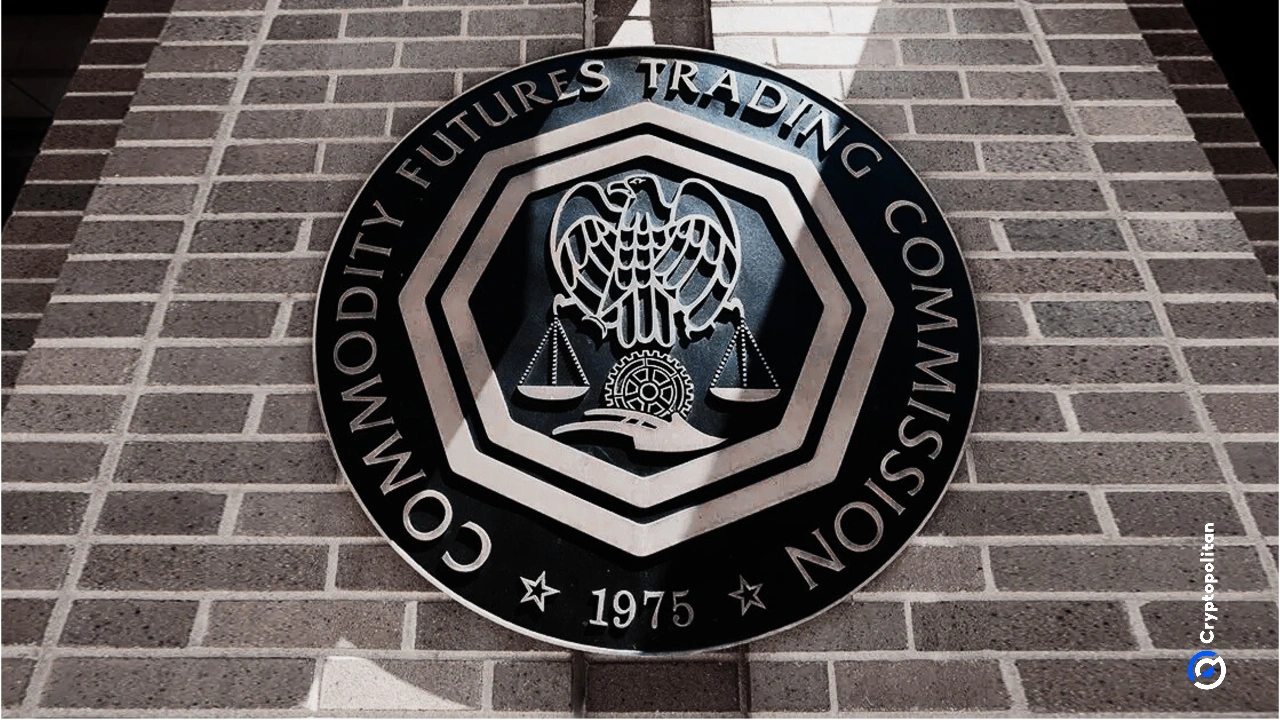
The U.S. District Court in Arizona issued a temporary restraining order on April 10, preventing state prosecutors from pursuing cases against companies running CFTC-approved prediction markets. The court’s decision stemmed from an emergency motion filed by the CFTC, which asserted its exclusive control over these financial contracts pursuant to the Commodity Exchange Act.
This legal conflict underscores a persistent tension between federal regulatory frameworks and individual state laws that seek to limit or criminalize specific financial activities. The CFTC, tasked with overseeing U.S. derivatives markets, argues that state-level restrictions could impair its nationwide regulatory oversight.
“The federal court’s decision underscores the need for consistent regulatory oversight, rather than a patchwork of state-level interventions that could confuse markets,” noted CFTC Chair Rostin Behnam.
How are other states responding to this legal precedent?
Arizona’s legal approach was unique as the first state pursuing criminal action against platforms fully compliant with CFTC regulations. Companies such as Kalshi, a San Francisco-based prediction market with plans to expand its regulated services, remain central to these legal battles. The company operates with CFTC approval, providing contracts on event outcomes ranging from political to economic forecasts.

The temporary restraining order in Arizona is part of the CFTC’s nationwide effort to assert its authority over prediction markets. Parallel lawsuits in Connecticut and Illinois seek judicial validation to prevent states from imposing their restrictions on federally compliant platforms.
The ongoing cases represent the growing overlap between traditional prediction markets and the burgeoning cryptocurrency sector. Many platforms, such as Kalshi and blockchain-based Polymarket, are now integrating stablecoins and blockchain tech for settling contracts, thereby merging distinct financial and technological ecosystems.
Recent appeals court victories for federally regulated markets, such as the halt on New Jersey’s attempt to restrict Kalshi’s operations, hint at an advancing trend favoring federal oversight.
Current legal proceedings temporarily suspend state actions as the courts work towards clarifying the boundaries of federal and state oversight. Although procedural, this ruling may significantly impact the regulatory landscape of prediction and cryptocurrency-linked event markets. As rulings unfold, this could set a precedent affecting the operations of financial markets across states.
Disclaimer: The information contained in this article does not constitute investment advice. Investors should be aware that cryptocurrencies carry high volatility and therefore risk, and should conduct their own research.

















 English (US)