
 4 hours ago
1214
4 hours ago
1214
.png)
Brent crude oil prices have surged near the $100 mark, driven by mounting tensions in the Middle East and growing concerns over energy supply disruptions. As inflation fears entwine with interest rate uncertainties due to rising oil prices, Asian markets found support in the semiconductor sector’s resilience.
What Impact Does Rising Oil Have on U.S. Inflation?
The recent military action by the United States near Iran’s Hark Island sent ripples through the oil markets, pushing Brent crude up by 1.8% to $99.68 per barrel. This move intensified worries about potential supply chain disruptions through the strategically vital Hormuz Strait.
The renewed attacks on energy infrastructure are threatening to deepen disruptions in global energy supplies, bringing oil prices above $100 for the first time since July.
As energy costs climb, the inflationary outlook becomes increasingly uncertain, impacting expectations on future interest rates. Investors are keenly awaiting the release of U.S. inflation data on Friday, seeking clues on how the recent spike in oil prices might influence upcoming Federal Reserve decisions. These insights are crucial ahead of the Fed’s meeting slated for September 15 and 16.
Are Chip Stocks Stepping Up in Asian Markets?
In contrast, Asian equities benefited from a surge in semiconductor stocks, fueled by strong interest in artificial intelligence, which offset concerns stemming from Middle Eastern unrest. South Korea’s Kospi Index advanced by 1.3%, with SK Hynix and Samsung Electronics leading the charge.
The MSCI Asia Pacific Index also enjoyed a 0.4% rise, driven significantly by tech stocks as chipmakers in Asia continued to see their shares rise.
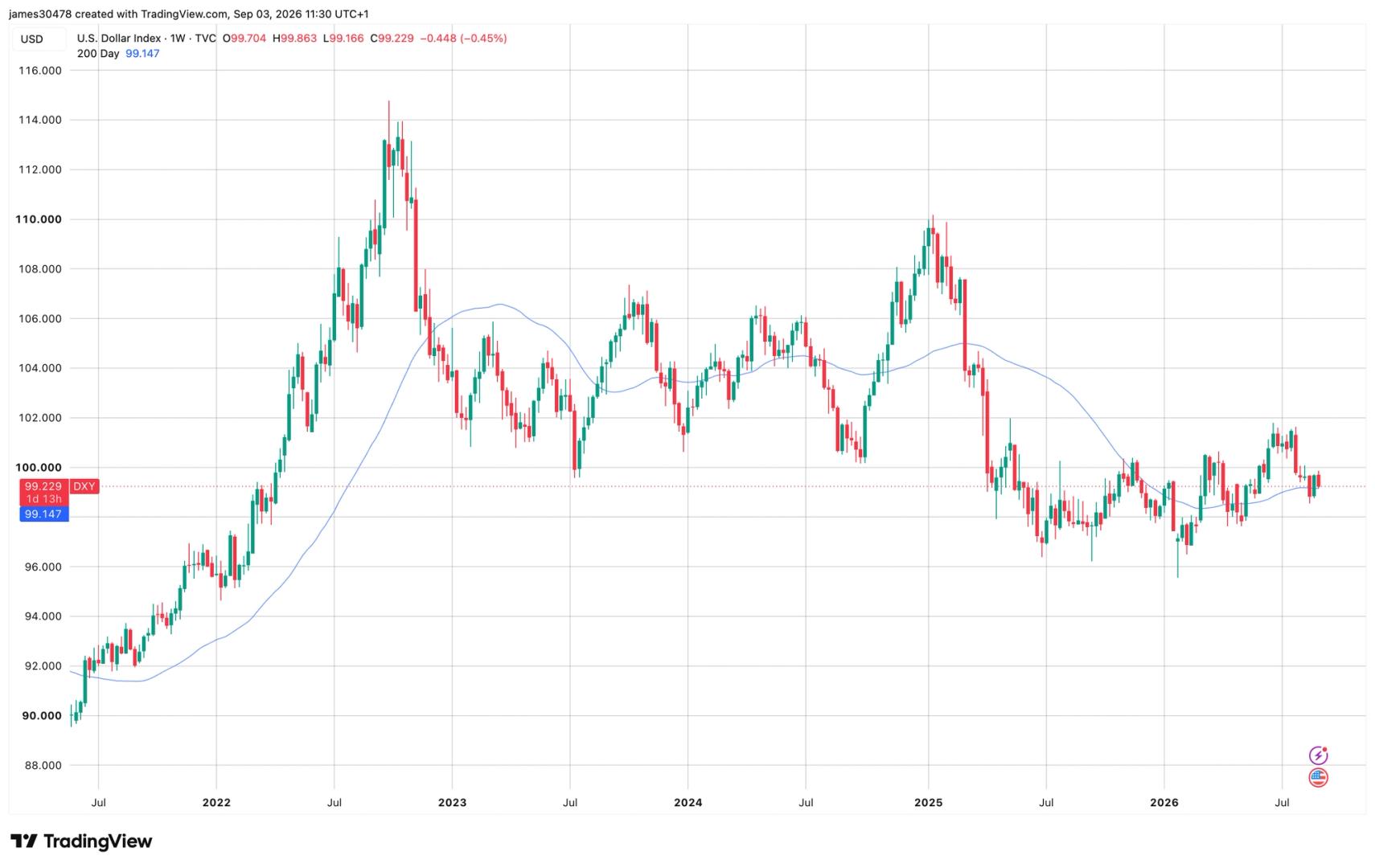
Currency markets saw the Japanese yen gaining 0.4% against the US dollar, closing at 153.40 per dollar, extending its upward streak into a third day. This movement aligned with U.S. Treasury Secretary Scott Bessent’s calls for a stronger yen. Concurrently, the dollar dipped by 0.1%, while the yield on the U.S. 10-year Treasury note edged up by one basis point to 4.80%.
On the trade front, the U.S. took steps to ban certain alcoholic beverages, dairy products, and motorcycles from Canada. Simultaneously, efforts to forge a broader trade and security pact between the European Union and Canada sought to mitigate the influence of the U.S. and China.

These developments indicate a shift in focus towards combatting supply chain vulnerabilities in energy through strategic partnerships. The evolving dynamics in currency markets also highlight the intricate interplay between governmental policy and market responses, suggesting ongoing challenges in maintaining economic stability amid geopolitical strains.












 English (US)