
 2 months ago
7281
2 months ago
7281

The European Central Bank needs to be ready to move in any direction as worldwide conditions stay unpredictable, a senior official said this week.
Martin Kocher, who runs Austria’s central bank and sits on the ECB’s Governing Council, told Bloomberg Television on Tuesday that policymakers are facing uncertainty levels that are still extremely high. He emphasized that keeping options open matters now more than ever.
“It’s important to have full optionality” in both directions, Kocher said. “Monetary policy has to be able to react to any kind of risks manifesting themselves quickly and decisively.”
The Frankfurt-based central bank hasn’t touched interest rates since June. Officials think they’re in a good spot right now as price increases stay close to their 2% target. The ECB’s latest forecasts show inflation slipping a bit below that mark before coming back up. Market watchers and economists don’t see any rate changes coming soon.
Growth outlook remains positive despite threats
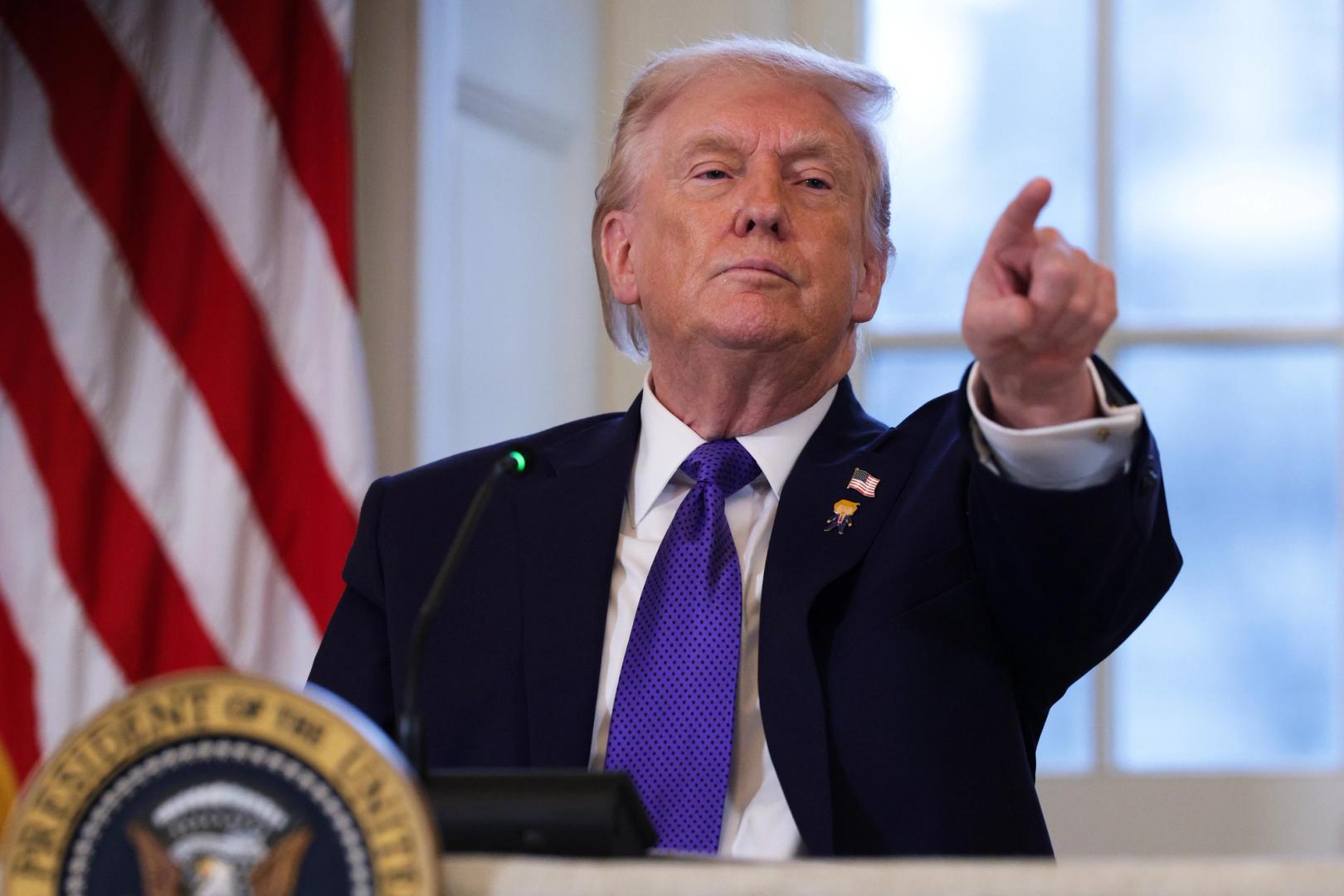
There are threats out there. President Donald Trump’s recent talk about Greenland and his fresh tariff warnings, even though he backed off later, show how fast things can change. Minutes from the ECB’s last meeting, put out last week, showed officials pushed for complete flexibility if economic conditions shift or a major crisis hits.
“We want to be able to react quickly to anything that happens,” Kocher said. “We have seen that last week with additional tariff threats. So we have to be careful. There might be some repercussions. There may be effects on the development of the European economy.”
Kocher called the potential downsides “quite substantial.” But he also noted some bright spots that could help economic activity. These include planned stimulus in Germany and the region’s savings rate, which is sitting at a very high level.
The euro zone is expected to grow by more than 1% in 2026. That growth comes partly from higher government spending on infrastructure and military capabilities in Germany and across Europe. Growth expected to exceed 1% in 2026, driven by German stimulus and defense spending across Europe. Business surveys from S&P Global last week showed the private sector kept up moderate growth in January 2026.
Price increases have eased lately. Inflation hit 1.9% in December and is expected to slow more at the start of this year. But core price pressures haven’t budged as much, especially in services.
“As long as we are seeing modest divergence from the target, I think we are fine,” Kocher said. “But if there is, in any direction, clear movement and we get more and more data in that direction, then it is important to monitor it closely and be able to respond.”
Kocher also talked about currency issues
The euro has gotten stronger recently, and Kocher said the ECB has to watch if this keeps going.
“What we have to monitor now, in the next couple of weeks and months, is whether appreciation continues and perhaps even accelerates,” he said. “We don’t see that at the moment. But, of course, events that have been happening over the last couple of days contributed to some concern.”
Officials say their current position is solid, but they’re staying alert about potential problems. Trade policy uncertainty, geopolitical tensions, and shifting inflation dynamics mean the central bank doesn’t want to lock itself into any set path.
The smartest crypto minds already read our newsletter. Want in? Join them.













 English (US)