
 3 months ago
11230
3 months ago
11230
.png)
The dollar is back at the center of global trading as investors rebuild bets on the United States, expecting the economy to stay stronger than Europe and Asia, helped by heavy spending on AI, strong hiring, and higher interest rates.
This demand for US assets has of course changed how traders see the Federal Reserve’s next step. Commodity Futures Trading Commission data showed bullish dollar positions recorded their biggest weekly increase since 2018 and reached the highest level in more than a year.
Analysts at JPMorgan Chase (NYSE: JPM) linked the buying to renewed faith in “US exceptionalism,” whatever that may even mean in 2026.
Investors rebuild dollar positions as US jobs and inflation beat earlier forecasts
The US and Israeli war in Iran first gave the dollar an extra push, as the currency gained more than 2% against a group of major peers. Traders believed the United States could deal with higher fuel costs more easily than economies that now depend more on imported energy. Europe and parts of Asia looked more exposed when the Strait of Hormuz closed and oil prices climbed.
While a cease-fire agreement between the US and Iran eased concerns about supply issues, the dollar did not give up much ground. Oil is now trading for less than $80 per barrel, and investors have shifted their focus back to domestic US economic indicators.
Another factor contributing to foreign money flowing into the country was the recent listing of SpaceX on the stock market, along with heightened investment in firms involved in artificial intelligence. This attitude differs significantly from that of last year, when Trump’s arbitrary trade policies weakened investor confidence in the dollar as a reserve currency.
Rate expectations have changed just as dramatically. In January, Cryptopolitan reported that futures traders expected two or three Federal Reserve cuts during the year, assuming inflation would cool and employers would slow hiring.
But as you can see, neither call held up, because American employers added 172,000 jobs in May, more than twice the figure Wall Street had expected, while core inflation, which leaves out food and energy, rose from 2.8% in April to 2.9% in May.
These reports nudged the traders into a potential interest rate rise. The markets are expecting a rise of 0.25% by March next year, and money market rates suggest that the probability of a rise this year is close to 80%.
Central banks prepare new guidance while traders watch the dollar, pound, euro, and yen
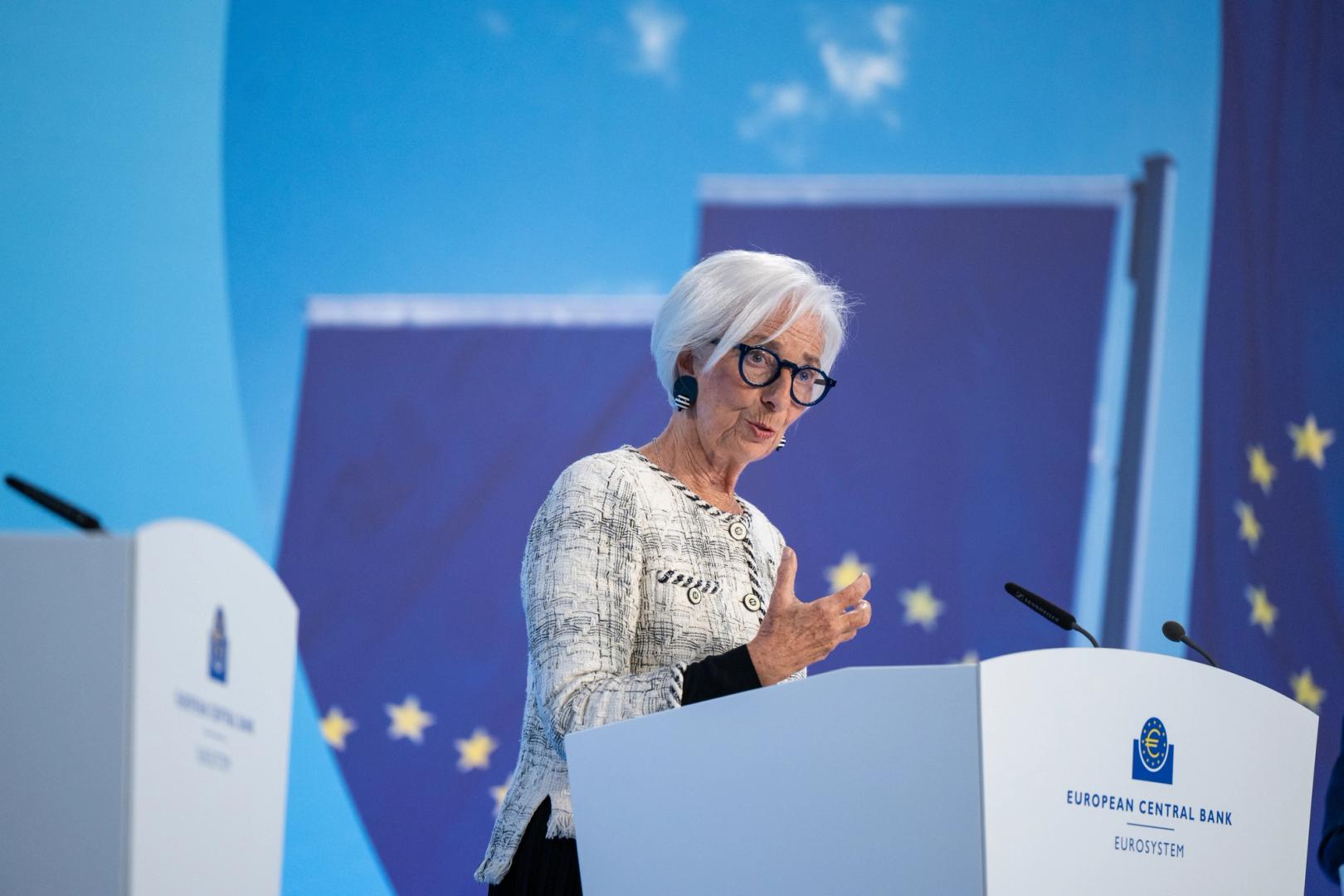
The Federal Reserve is due to release its first policy decision under Chair Kevin Warsh. No immediate change is widely expected, but traders are watching whether the central bank removes its earlier preference for easier policy. Kevin’s first statement will also introduce markets to a different communication style.
Officials will publish the Fed’s dot plot, which records each policymaker’s forecast for future interest rates. Trump appointed Kevin after repeatedly attacking former Chair Jerome Powell for not cutting borrowing costs fast enough. Before the Iran agreement, economists thought officials could warn that expensive energy might spread into wider inflation. Lower oil prices may now lead to softer language.
The dollar traded close to flat against most major currencies on Wednesday before the announcement. The euro stood at $1.1605. The pound slipped to $1.3420 against the dollar and traded at 86.5 pence per euro after British inflation came in below forecasts.
The Bank of England meets on Thursday and is expected to leave rates unchanged. UK inflation stayed at 2.8% in May, matching April’s 13-month low. Cheaper energy and the softer reading could give officials more reason to avoid raising rates this year.
But Japan has chosen another route. The central bank of the country hiked interest rates on Tuesday to levels last seen 31 years ago, citing that further hikes may be needed because of increased cost pressure from energy. The yen was trading close to 160.25 against the dollar, a modest increase for the day but one which kept traders looking for possible intervention by the Japanese government.
If you're reading this, you’re already ahead. Stay there with our newsletter.



![Ripple [XRP] News Roundup: $2 Billion Whale Buy Meets a Make-Or-Break Resistance Wall](https://image.coinpedia.org/wp-content/uploads/2026/07/24163919/XRP-Price-Analysis-and-News-ETFs-RLUSD-and-Supply-Full-Bull-and-Bear-Case-Explained-1-1024x536.webp)











 English (US)