
 1 month ago
12493
1 month ago
12493
.png)
Galaxy Research has told its clients what it thinks about the proposals that Ethereum and Solana are both considering to reduce token issuance rates on their networks.
The company also warned that the changes to supply will not be the only factor that affects the prices of either asset, arguing demand does that job.
How do Ethereum developers plan to reduce token issuance?
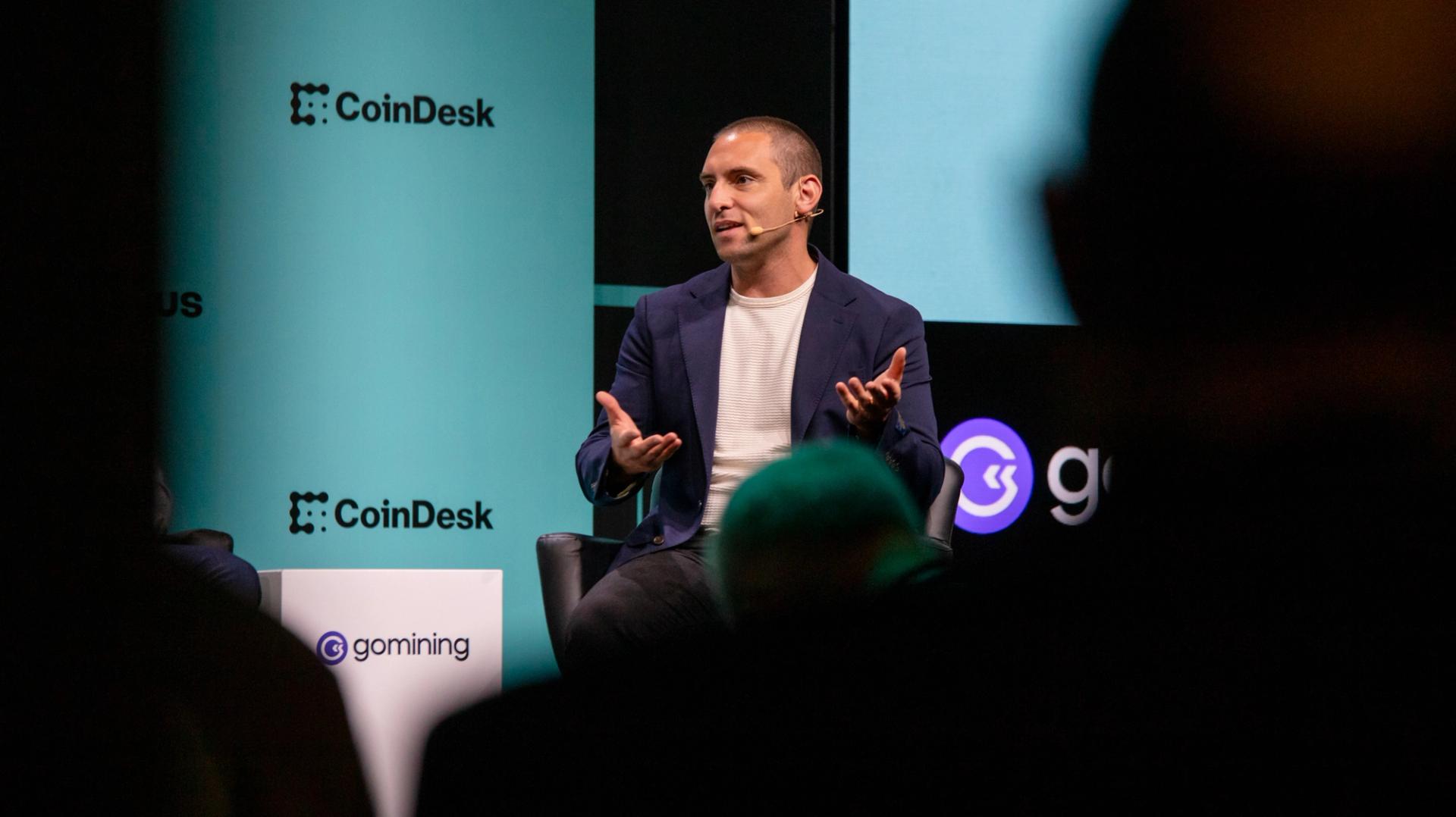
Galaxy Vice President of Research Lucas Tcheyan wrote in a note to clients that demand decides where the tokens will go next. The context of his comments is that developers on both the Ethereum and Solana chains are proposing plans to slow how fast new tokens are minted.
Ethereum’s Proposal (EIP-8361) introduces a “tapered issuance burn” that would burn validator rewards down to zero once 50% of all Ether (ETH) is staked. At today’s staking rate of about one-third of supply, consensus-layer yield would drop from about 2.6% to 1.2%.
The proposal, which was filed by six researchers including the Ethereum Foundation’s Justin Drake, would be adopted over an 18-month period, giving stakers close to two years to react.
Nothing has been voted on yet as the proposal is being considered for Hegotá, Ethereum’s upgrade after Glamsterdam, due this fall. Selection runs into November, and approval would likely not ship until well into 2027.
Cryptopolitan reported that Aave founder Stani Kulechov and Sharplink have come out against the proposal, with Sharplink CEO Joseph Chalom arguing on X that validators could run at a loss once hardware and electricity are counted.
A validator survey found that 99.77% opposed, and on the August 6 All Core Devs call, the presenting author even floated the idea of pulling it from consideration entirely.
What is Solana proposing?
Solana, on the other hand, is moving two proposals through its new on-chain governance system. The first is SIMD-0550 (SGP-0002), written by Helius engineers Lostin and 0xIchigo, which would double the annual disinflation rate to 30%, bringing the 1.5% terminal floor forward to 2029 from 2032 and removing about 18.9 million SOL from future emissions.
Under the authors’ 68% staking-participation scenario, staking yield begins at 5.84%, then drops to 4.34% after one year, 3% after two years, and 2.25% after three years.
SIMD-0553 (SGP-0003) from Temporal’s cavemanloverboy, would replace Solana’s flat per-signature fee with a resource-based charge that scales with a transaction’s compute demand and is burned outright. Galaxy said that could lift daily SOL burns from roughly 650 to between 7,500 and 9,000.
At current prices, that would increase daily burns from about $47,000 to up to $650,000 . However, even at the high end, the burn is offset by roughly 60,000 SOL in daily inflation.
Solana’s proposals have drawn less heat than Ethereum’s, which Galaxy partly attributes to the fact that there have been versions of the ideas circulated for over a year.
Both proposals have cleared the 15% active-stake threshold to enter discussion and need two-thirds of decisive stake to pass. The discussion period ends August 22, 2026.
DeFi Development Corp. (Nasdaq: DFDV), which holds SOL as its primary reserve asset, said on August 4 it supports both and will vote yes.
Don’t just read crypto news. Understand it. Subscribe to our newsletter. It's free.










 English (US)