
 3 months ago
7850
3 months ago
7850

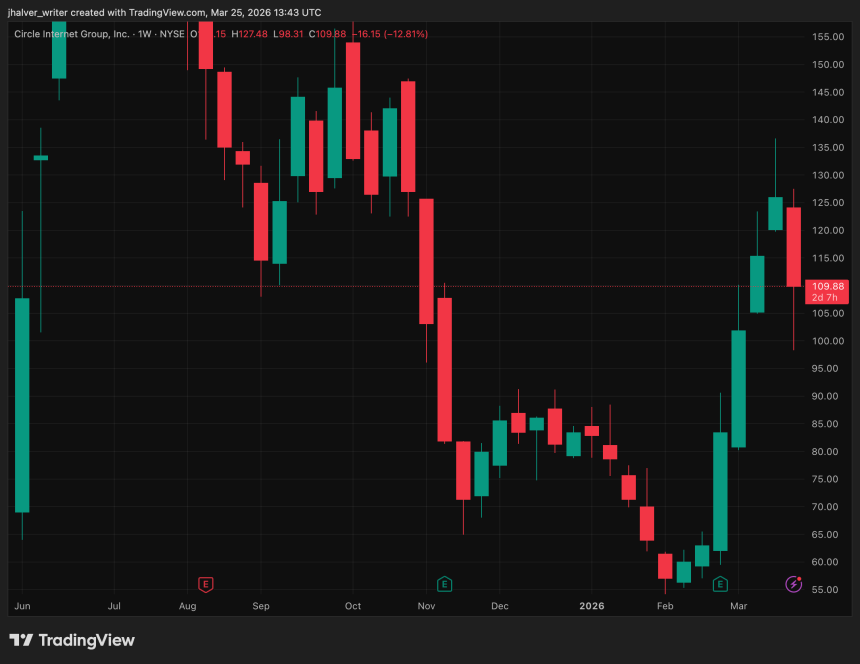
Circle shares slumped on Tuesday (nearly 20%) after U.S. lawmakers advanced the Clarity Act. This decline has been linked to the Clarity Act draft language that suggests it would curb interest paid on crypto stablecoin holdings.
A Key Crypto-Basics Misunderstanding
The reason of the sudden drop? The market is misunderstanding the legislation, analyst Gautam Chhugani and his three Bernstein colleagues said in an investor note shared with DL News. “The market is conflating who earns yield with who distributes yield”, they said.
It is no secret that the market is moved by the heightened emotional responses of investors, reacting to real world events such as a geopolitical crisis or a change in the legislation that could affect their positions. However, investors would do well going back to the fundamentals and revisiting the basic mechanics at play before getting swept up in Clarity‑Act panic. A stablecoin issuer and a stablecoin distributer are not the same thing: a stablecoin issuer is the entity that creates the token and manages the reserves behind it, while a stablecoin distributor is the platform or intermediary that gets that token into users’ hands and often hosts their balances. Circle is the company that issues the USDC, not the one that distributes it: that’s what platforms such as Coinbase do.
The Clarity Act’s language specifies supervision on how crypto tokens are circulated and distributed, not on the entities that create or issue them. This means lawmakers are focusing on the activities around moving stablecoins to end users, such as platforms offering them, intermediaries marketing yield, and programs that pay interest on balances, rather than directly imposing new rules on the companies that mint the tokens and manage reserves.
Stablecoins: A Central PillarIt is worth noting that investor’s anxiety over the U.S. stablecoin policy and how regulators might treat centralized issuers post-election is justified. The stablecoin sector has become a central pillar of crypto liquidity: in 2025, dollar‑pegged tokens settled over 30 trillion dollars on‑chain, and USDC alone processed roughly 18 trillion dollars in transactions —close to half of all stablecoin volume despite representing under a third of total supply. Circle’s own and third‑party estimates say USDC’s share of total stablecoin transaction volume was around 45–50% in late 2025, even though its circulation was under one‑third of total stablecoin supply.
If Bernstein’s view holds, Circle-related assets might see a rebound as regulatory clarity improves.

Cover image from Perplexity, BTCUSDC chart from Tradingview














 English (US)