
 2 months ago
11412
2 months ago
11412
.png)
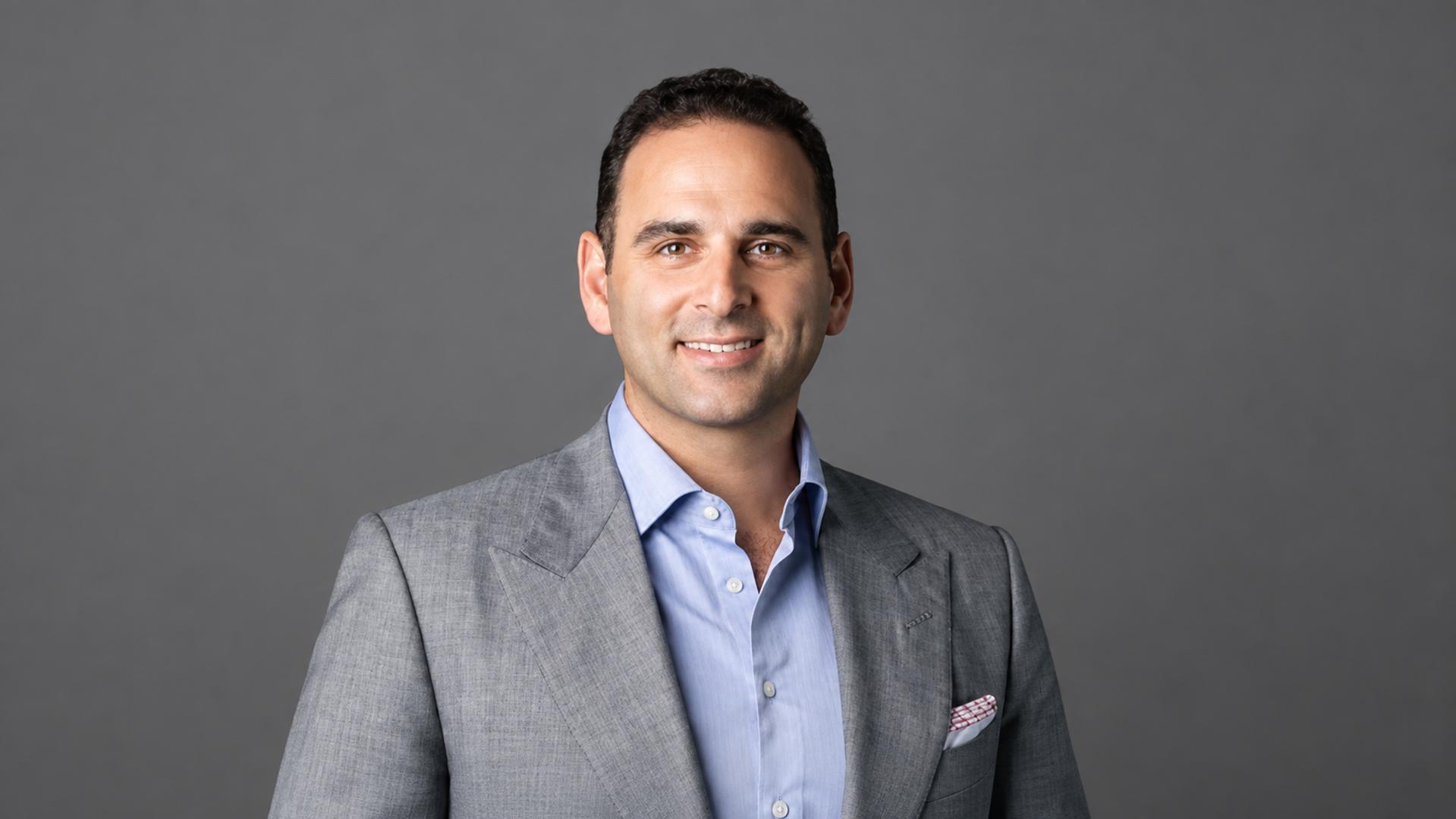
A bold fusion of digital and physical assets is the focus of a new investment initiative spearheaded by Grant Cardone. Announced at the Consensus Miami 2026 event, this fund marries multifamily real estate investments with Bitcoin acquisitions. The initiative is designed to channel rental income into Bitcoin, unfolding under the umbrella of a private LLC. Renowned for his pro-gold and crypto-skeptical stance, Peter Schiff quickly voiced skepticism, arguing that this blend offers little resolution to existing investment dilemmas.
Can the New Framework Succeed?
The primary innovation Cardone presents is packaging real estate and Bitcoin investments within a single corporate structure, which he claims sidesteps traditional REIT limitations. REITs, established under strict regulatory conditions since the 1960s, find difficulty adapting to modern needs, particularly in reserving Bitcoin for reinvestment purposes. Cardone insists this structural evolution allows both asset classes to coexist, a proposal Schiff finds implausible.
How Are Returns Projected to Shine?
Cardone Capital aims for lofty annualized returns, aiming between 22% and 32%. This is primarily achieved by reinvesting revenues from real estate holdings back into Bitcoin purchases. Interestingly, about 80% of the investors backing this initiative are first-time entrants into the cryptocurrency domain, pointing toward a strategic pivot designed to welcome those hesitant about digital currencies.
- The investment model involves a substantial fund of $87.5 million.
- All excess rental income is to be poured into Bitcoin acquisitions.
- The fund operates under an LLC, offering a modern twist to traditional investment frameworks.
- Cardone Capital targets a specific return trajectory, making it a notable incentive for investors.
Despite the skepticism, Cardone’s plan raises important questions about Bitcoin’s role in conventional investment landscapes. Schiff argues that REITs have no practical need for Bitcoin reserves, as they traditionally allocate most income towards shareholder dividends. This clash signifies a broader debate about crypto’s place within established markets.
The divergent perspectives between Cardone and his critics like Schiff may steer future discourse in financial circles. As hybrid models vie for recognition, the unfolding narrative could be transformative, challenging industry norms. Regulators and investors alike are left to ponder the potential shifts in financial paradigms that could emerge from this contentious mix of real estate and cryptocurrency.
As Cardone’s $87.5 million initiative stands at a crucial intersection, the outcomes will either validate or repudiate the melding of traditional real estate and modern digital investment paradigms, defining the next chapter for asset diversification in a rapidly evolving market.















 English (US)