
 3 months ago
11237
3 months ago
11237
.png)
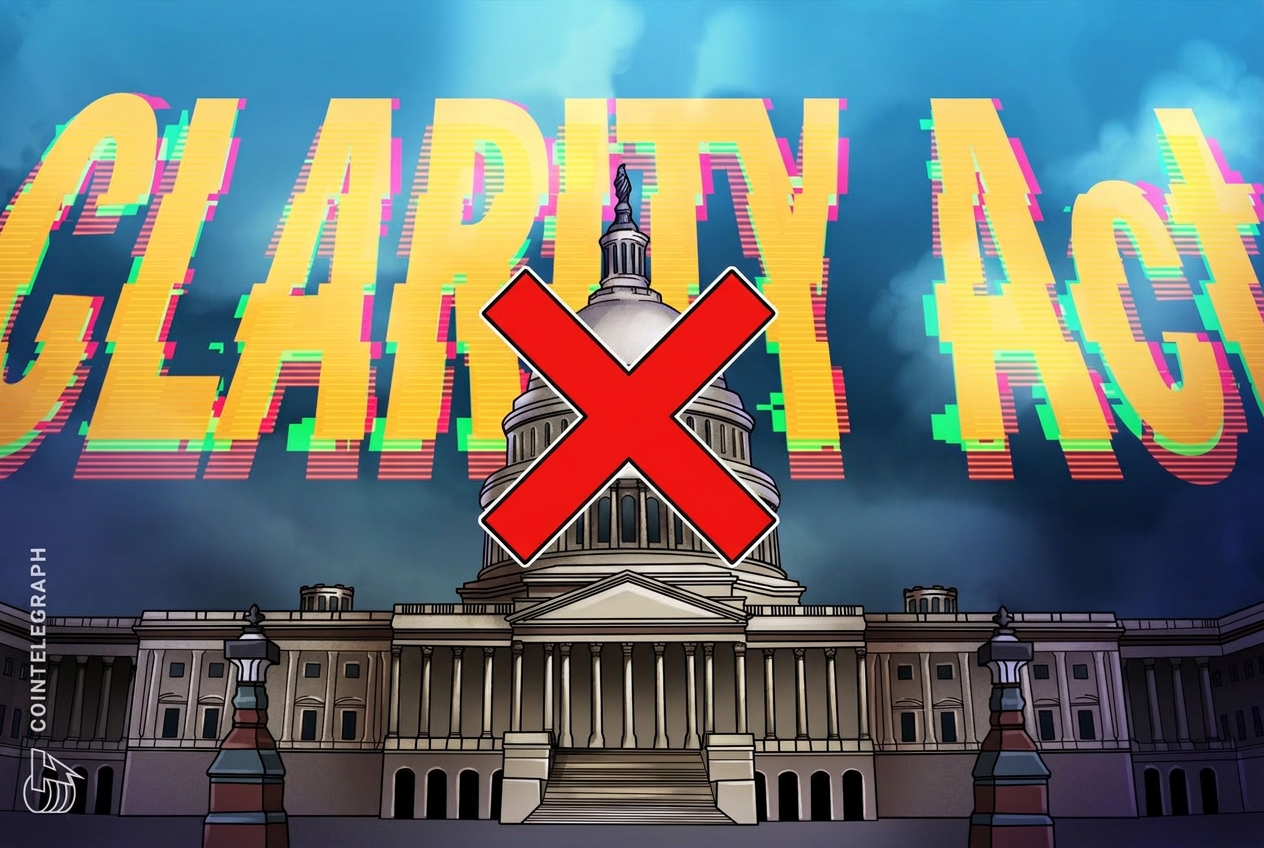
A recent letter endorsing the Clarity Act from the Blockchain Association to US Congressional leaders has ignited a wave of criticism due to the notable backgrounds of its signatories. Comprising 160 former national security, intelligence, and law enforcement officials, the letter’s supportive nature is questioned, as many signatories are currently affiliated with leading cryptocurrency businesses, raising concerns regarding the neutrality of their endorsement.
What Does the Letter Seek?
Addressed to Senate leaders including John Thune and Chuck Schumer, the letter emphasizes the need for clear regulatory frameworks within the digital asset sphere. It stresses that these frameworks are crucial not just for financial stability but for national security and law enforcement efforts. The Blockchain Association believes that precise regulations can enhance consumer protection and assist law enforcement in monitoring criminal activities more effectively.
Is There Skepticism About the Backing?
Some have raised doubts about the authenticity of law enforcement support, suggesting a lack of genuine independence. Brendan Pedersen, a prominent journalist in the crypto domain, identified several individuals on the signatories list linked to the crypto industry, raising questions about potential conflicts of interest. In a short analysis, Pedersen noted nine individuals associated with Coinbase, a key industry player.
Among these signatories are key figures from Coinbase, including Chief Policy Officer Faryar Shirzad and individuals from its Global Intelligence and financial crimes teams. Critics argue that this could reflect an underlying effort to position corporate lobbying efforts as legitimate law enforcement concerns.
What Are the Defenses for Signatories?
Responding to these criticisms, Alexander Grieve, a respected figure in crypto policy, countered that current affiliations in the private sector should not overshadow individuals’ prior government service. He highlighted a perceived discrepancy in media treatment, contrasting how similar dynamics are accepted in traditional finance without controversy.

Grieve defended the integrity of the signatories, asserting that their industry roles do not diminish their historical law enforcement expertise, and criticized the apparent inconsistency in how these affiliations are viewed.
Other observers added that many signatories boast experience in high-level organizations such as FinCEN and the CIA. The dialogue now centers on the presentation and communication of this support rather than the letter’s substantive arguments.
The Blockchain Association holds a prominent position in advocating for the crypto sector’s-regulatory interests in Washington. This incident contributes to ongoing debates about where to draw the line between industry advocacy and independent expertise in digital asset regulation.
Several important conclusions can be drawn from this situation:
- Questions are raised about the true independence of signatories with significant industry ties.
- The clarity in regulations is linked to broader national security and law enforcement goals.
- There exists a broader discussion on the perceived bias in media portrayal of industry-backed voices.
The controversy continues to highlight the complex intersection of government policy, industry influence, and expert commentary in the rapidly evolving landscape of digital asset regulation. As the debate unfolds, the focus remains on the credibility and transparency of voices shaping these pivotal discussions.
Disclaimer: The information contained in this article does not constitute investment advice. Investors should be aware that cryptocurrencies carry high volatility and therefore risk, and should conduct their own research.















 English (US)