
 2 months ago
8054
2 months ago
8054
.png)
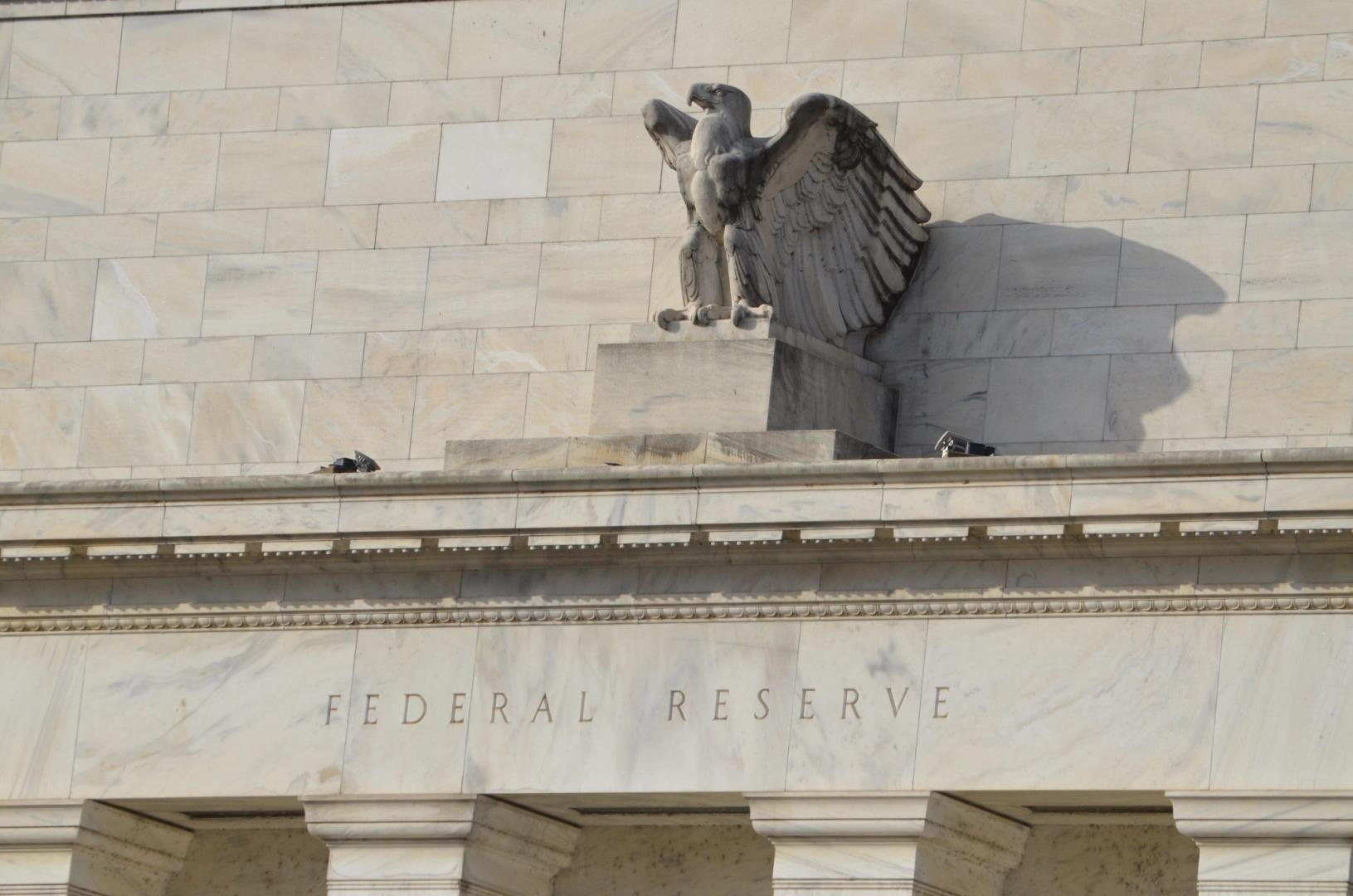
In a bold maneuvre, Bank of America has altered its forecast for U.S. monetary policy, anticipating three separate interest rate hikes by the Federal Reserve before the year concludes. These adjustments underline the bank’s predictions, signaling rate increases of 25 basis points each in the forthcoming September, October, and December meetings. This cumulative impact is expected to culminate in a 75 basis point tightening by the end of 2026.
What Influenced the Revised Forecast?
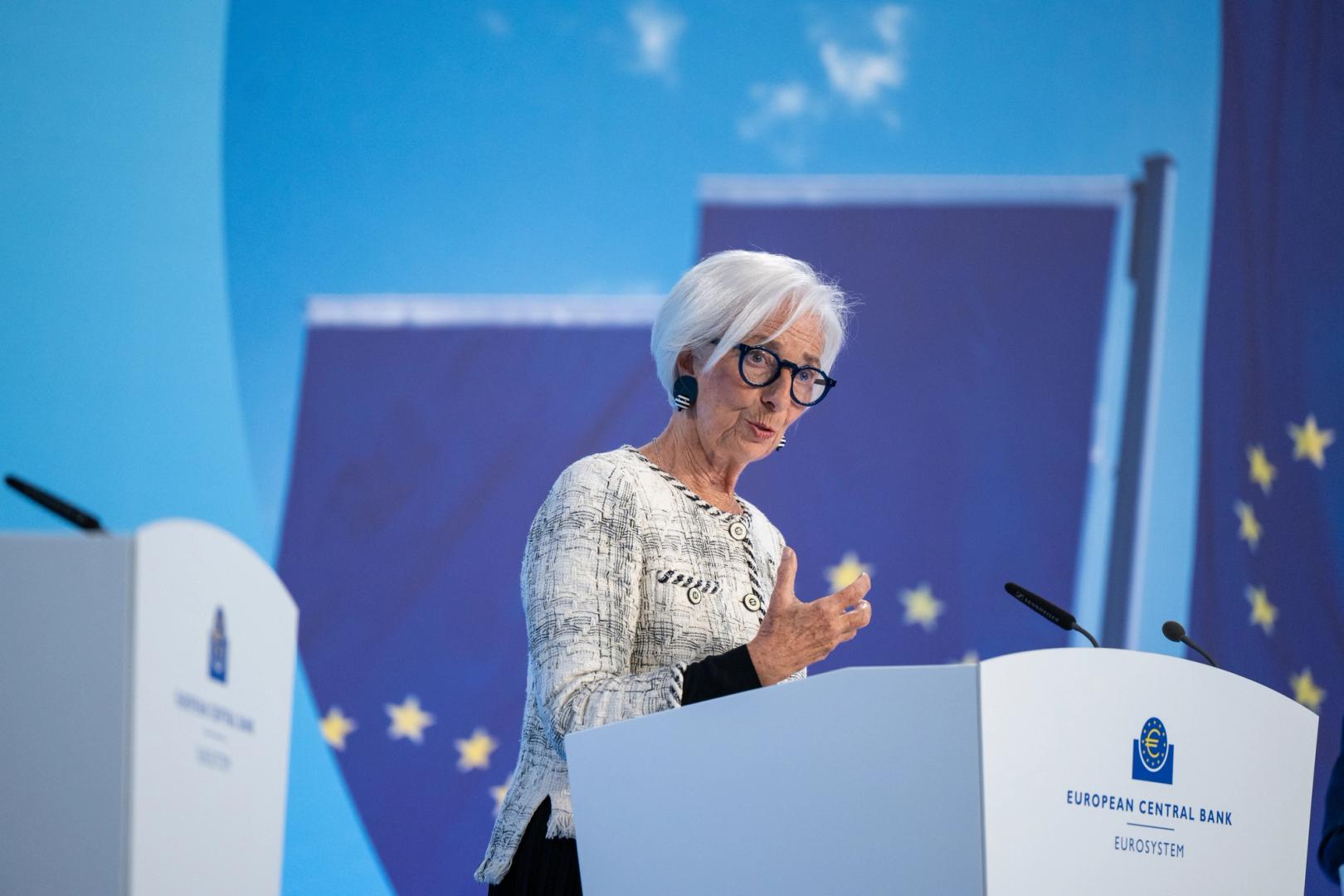
This shift in prediction arises from a concerted effort by both Fed Chair Kevin Warsh and members of the Federal Open Market Committee (FOMC) to clamp down on inflation. Their commitment suggests a stronger inclination towards more restrictive monetary measures in upcoming sessions.
Consequently, Bank of America’s updated economic outlook captures market attention, particularly with Warsh’s inaugural press conference as Fed Chair placing a high priority on combating inflation.
At least nine FOMC members have endorsed this strategy, advocating for at least one hike this year. Sources including Deutsche Bank and the CME FedWatch support these projections, indicating rare alignment between major financial entities on the Fed’s monetary trajectory.
Impacts on the Crypto Economy
With interest rates on the rise, the implications for cryptocurrencies could be significant. Higher rates traditionally diminish investment in riskier assets, impacting the valuation of digital currencies.
Historical data from CoinShares highlights a decrease in investments during the 2022-2023 hike period, demonstrating a challenging capital landscape for crypto entities. However, stablecoins potentially stand to gain from improved returns on reserves.

- Bank of America’s revised expectations involve rate hikes in September, October, and December.
- A collective uptick reaching 75 basis points is anticipated by the year’s close.
- This perspective finds consensus support among FOMC members, Deutsche Bank, and CME FedWatch.
As the global financial environment tightens, regulatory dynamics could shift. Stricter conditions might lessen regulatory burdens on digital assets but also test liquidity thresholds within the decentralized finance ecosystem. Attention now pivots to core PCE inflation data, which remains a pivotal indicator going forward. Faced with these evolving conditions, the interplay between regulatory influences and financial resilience will be closely scrutinized by market analysts and participants alike.












 English (US)