
 3 months ago
16005
3 months ago
16005
.png)
Bitcoin recently descended to the critical $67,000 mark for the first time in months, wiping out $176 billion from the cryptocurrency market’s valuation within 48 hours. The rapid decline also resulted in $1.5 billion in forced liquidations, as highly leveraged positions were rapidly unwound, adding to the market’s volatility.
Why is the crypto market showing vulnerability?
The crypto sector’s vulnerabilities have come under scrutiny, notably against the backdrop of resilient U.S. equity markets. Previously, Bitcoin closely mirrored U.S. small-cap stocks in performance, but this alignment ruptured, marking a divergence in risk perceptions among investors.
Significant withdrawal activity also contributed to this downturn. U.S.-listed Bitcoin ETFs witnessed $2.1 billion in net outflows during a week in May. Concurrently, derivatives market data underscored weak institutional interest, as evidenced by the tepid performance of BTC futures.
Bitcoin ETFs in the U.S. saw $2.1 billion in outflows, with futures data highlighting a lack of institutional fervor.
How have strategic decisions changed market dynamics?
MicroStrategy, spearheaded by Michael Saylor, opted to repurchase convertible debt and halted its continuous Bitcoin purchases, stirring speculation about its strategic direction. This move is closely scrutinized amidst corporate handling debates.
Opinions on this approach vary. Some analysts on X believe the firm is now focusing on financial stability. However, Arca’s Jeff Dorman criticized the shift, branding it a notable financial blunder.

Jeff Dorman viewed the strategy as “a complete balance sheet management error.”
Simultaneously, an increasing interest in artificial intelligence stocks appears to be diverting focus away from cryptocurrencies. According to Jim Bianco of Bianco Research, the market shows unparalleled enthusiasm for AI, evidenced by its significant presence in the S&P 500 index.
What impact do macroeconomic factors have?
The recent decline in crypto’s value is not solely due to fund withdrawals but also heightened macroeconomic apprehensions. Ongoing geopolitical tensions in Iran add to investor unease, catalyzing a withdrawal from risk-laden assets.
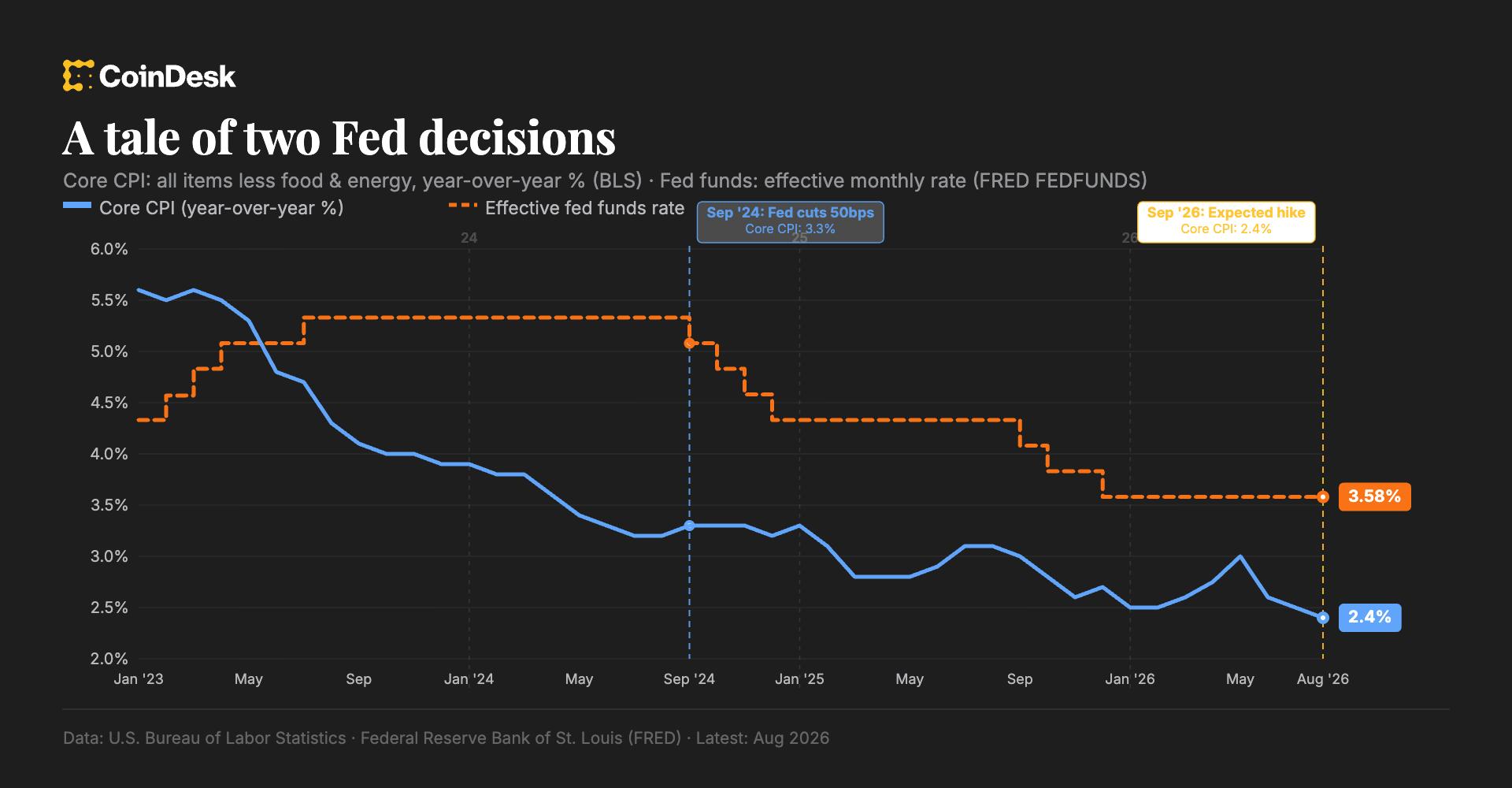
Adjustments in the Federal Reserve’s potential interest rate decisions further fuel caution. CME’s FedWatch suggests a 23% likelihood of a rate hike by September—a stark increase from prior expectations—hinting at prolonged monetary tightening.
Ultimately, Bitcoin’s substantial fall is attributed to various elements: substantial Bitcoin ETF outflows, a shift towards AI investments, and an anticipated enduring tight monetary policy combined to provoke the recent downturn in Bitcoin’s performance.
Disclaimer: The information contained in this article does not constitute investment advice. Investors should be aware that cryptocurrencies carry high volatility and therefore risk, and should conduct their own research.

















 English (US)